Value Proposition|
Alan InsurTech Value Proposition Design
67/100
Hand-picked 234 value proposition sections, scored across conversion best practices. See what the best do differently.
Showing 64–84 of 234 examples
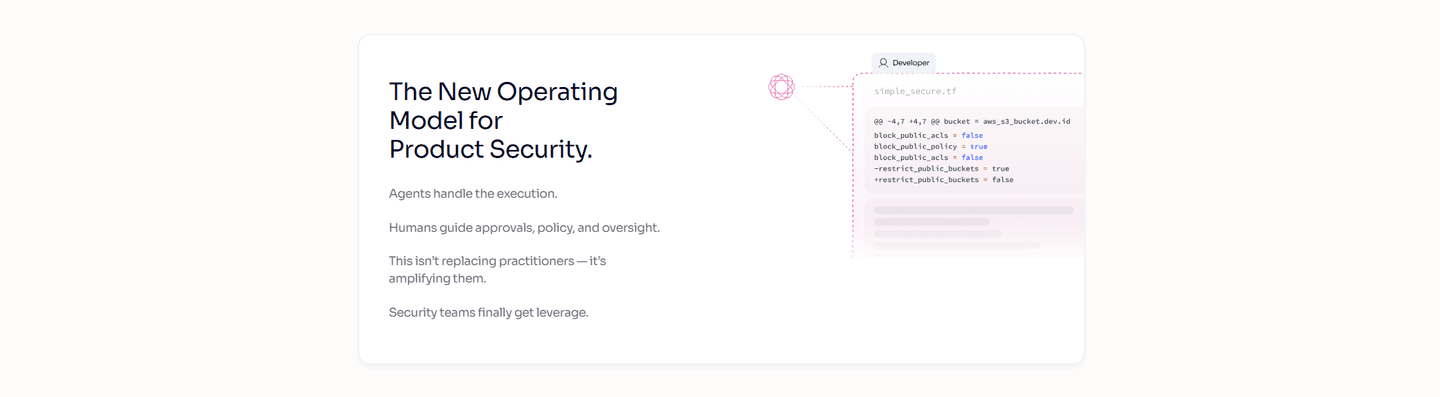
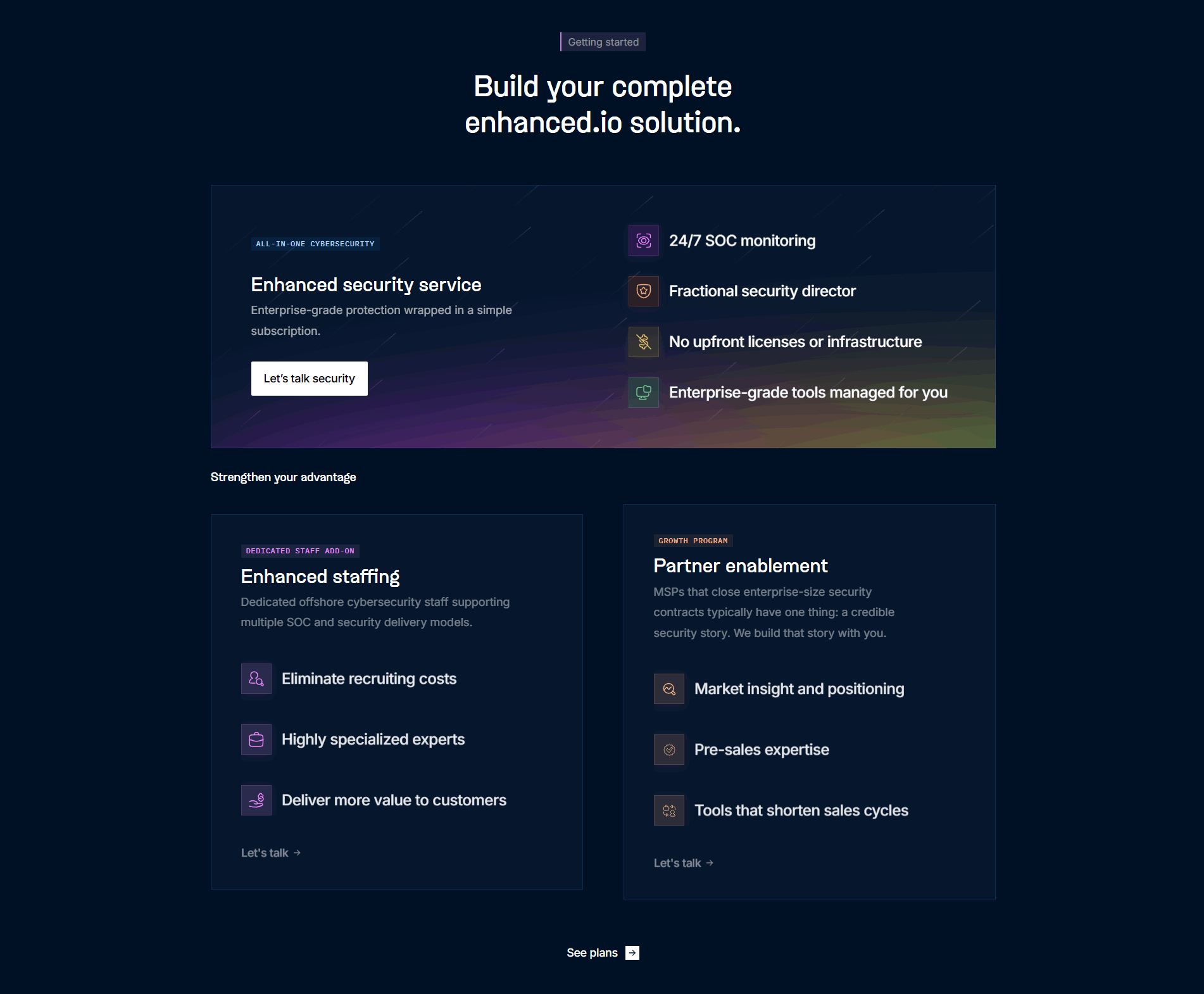
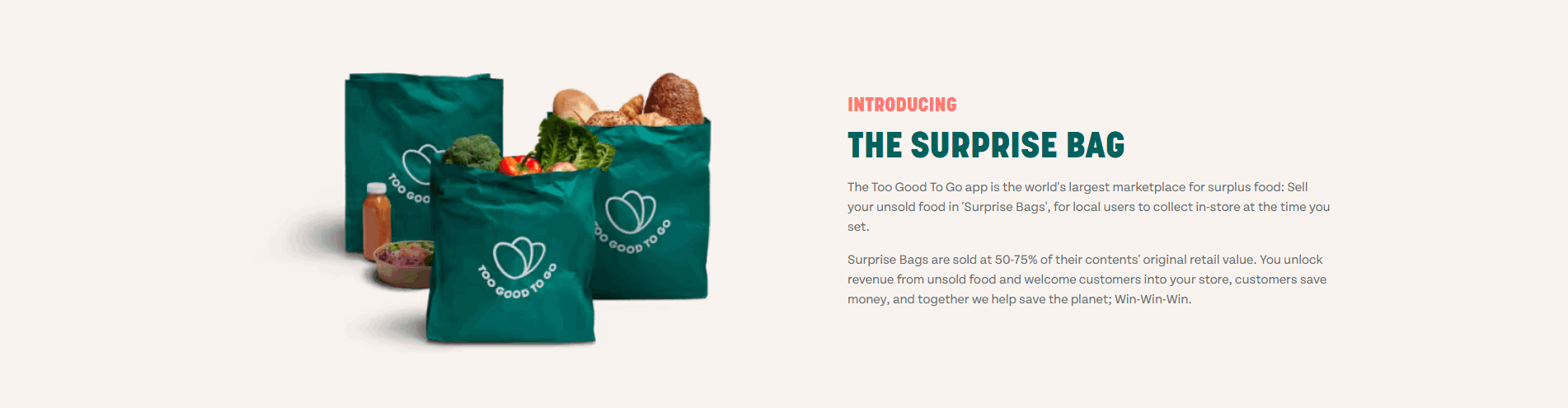
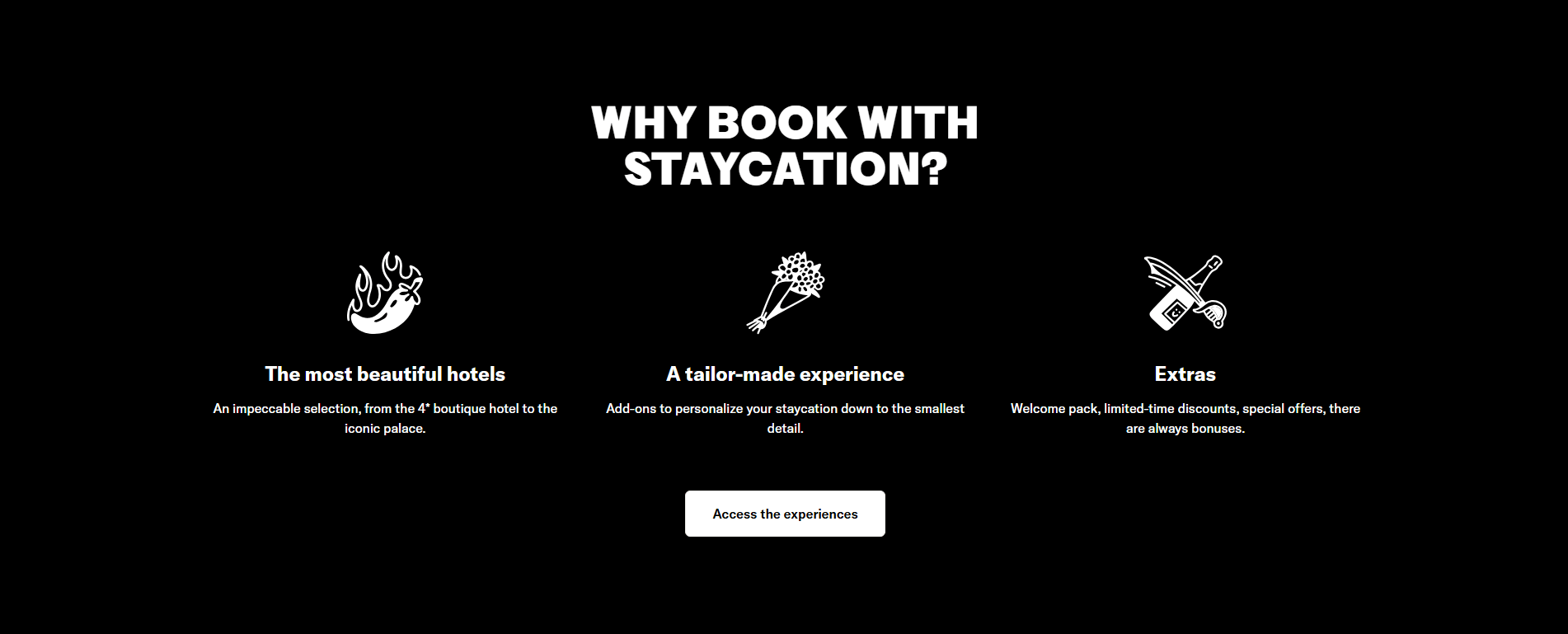
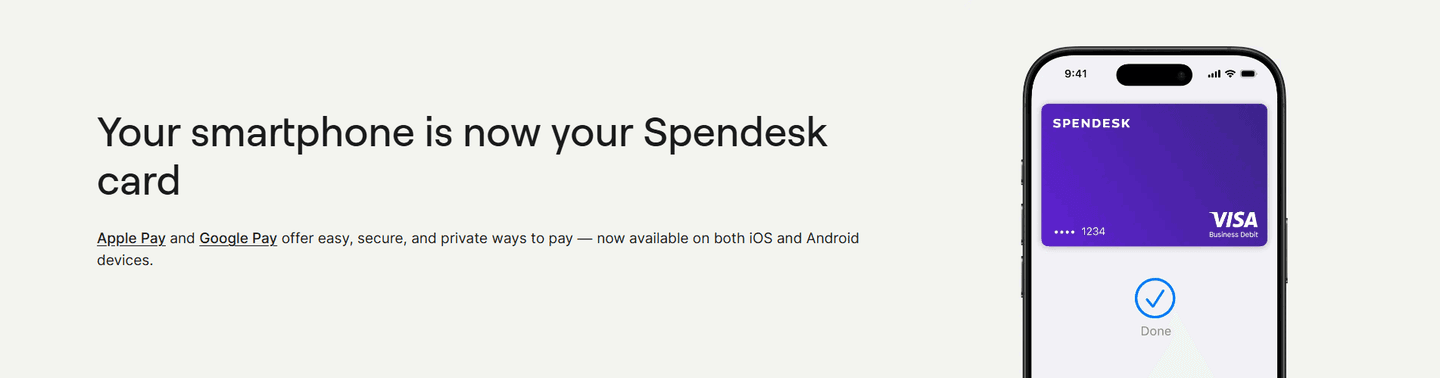
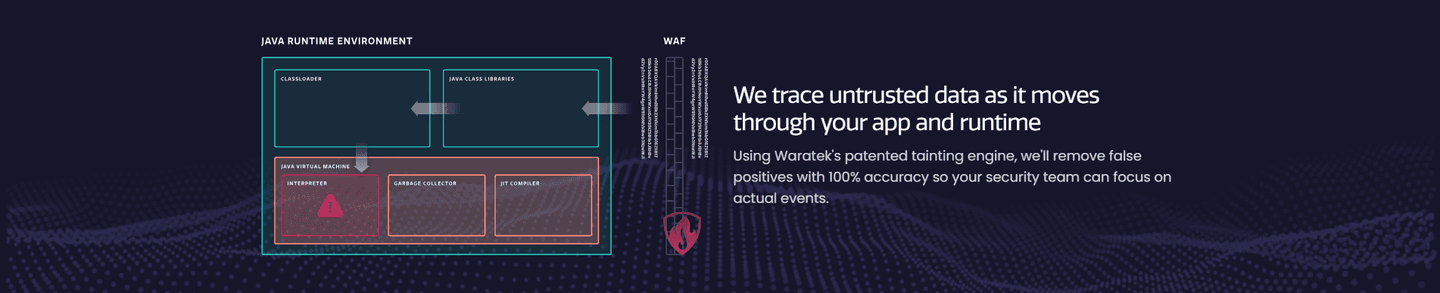
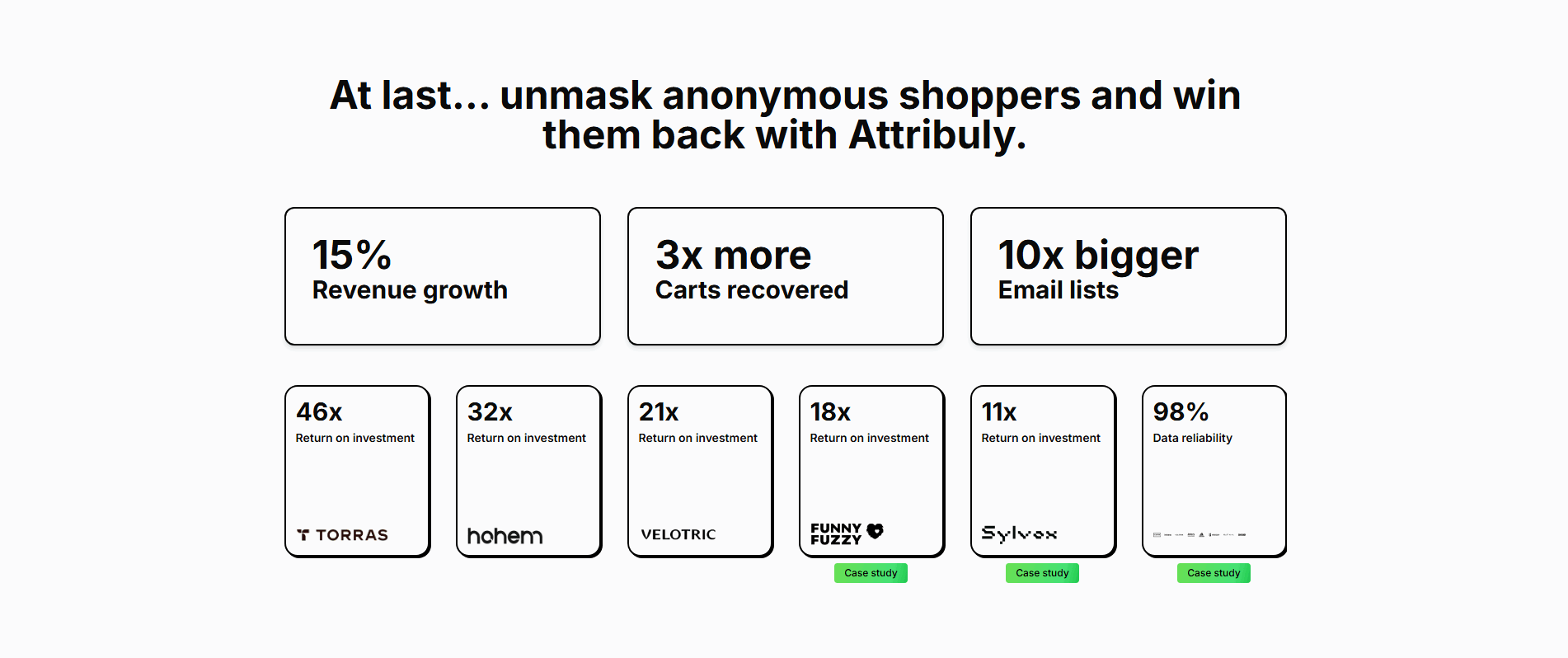
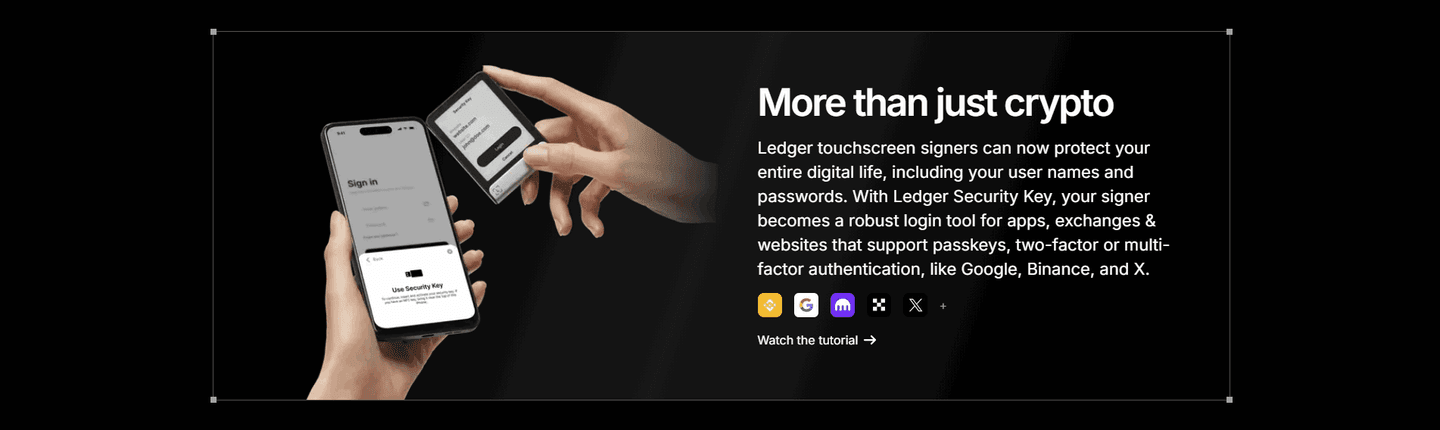
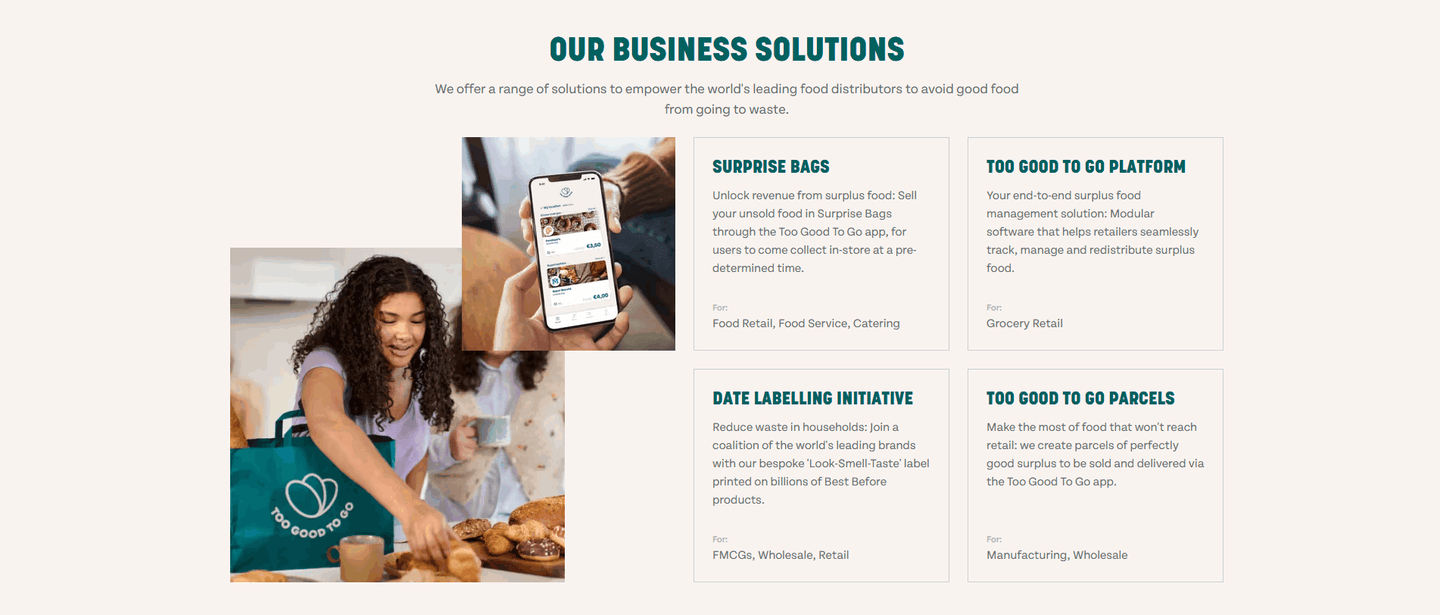
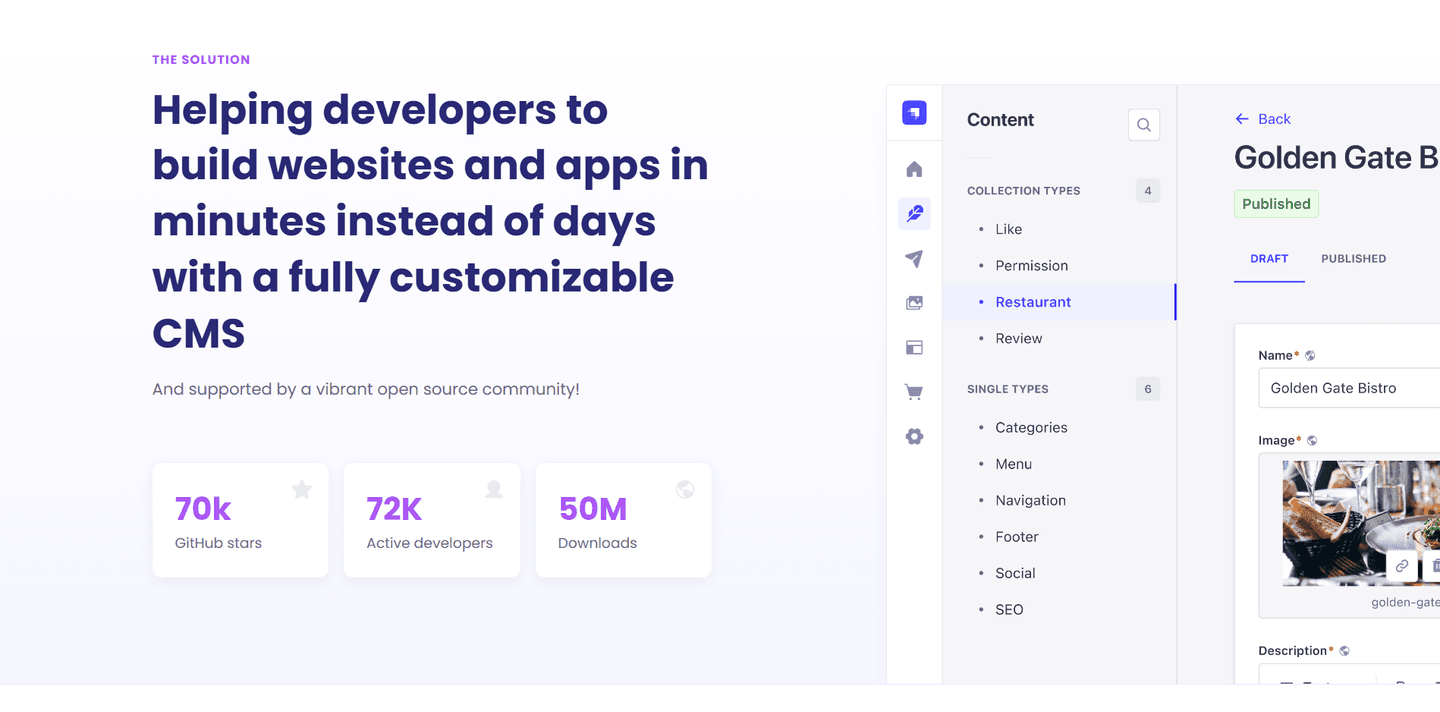
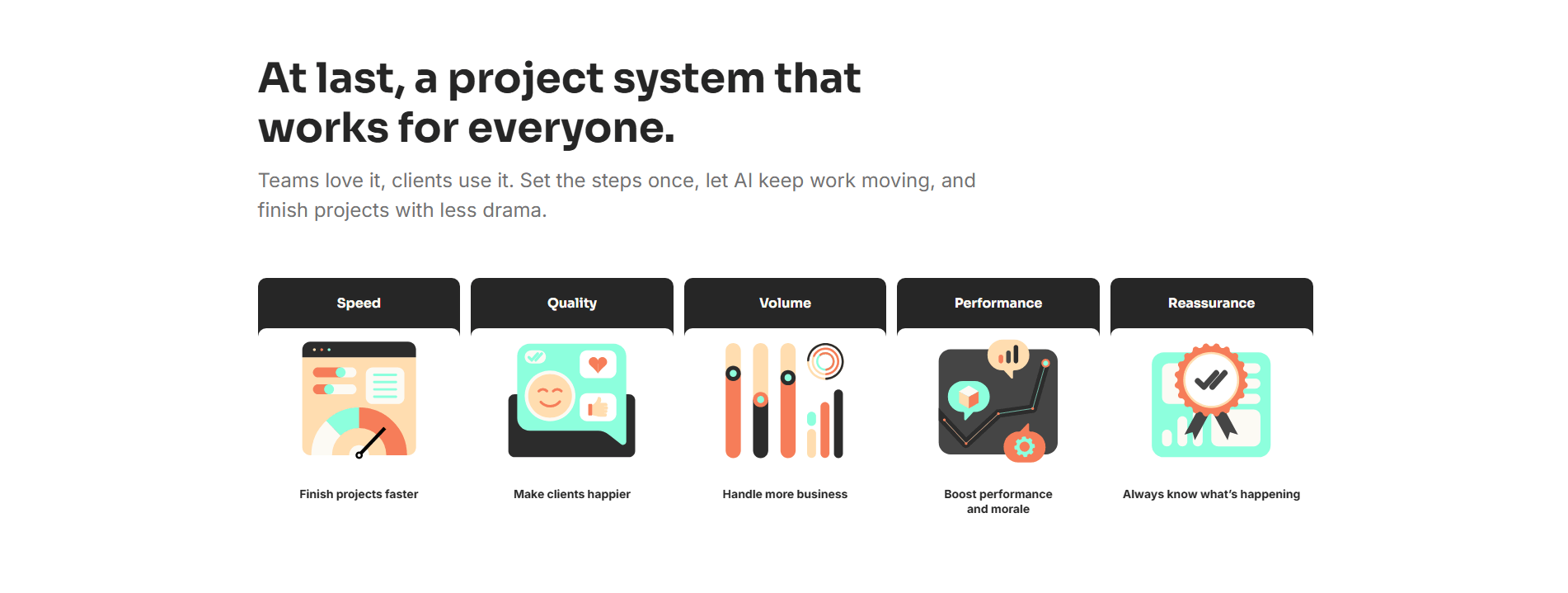
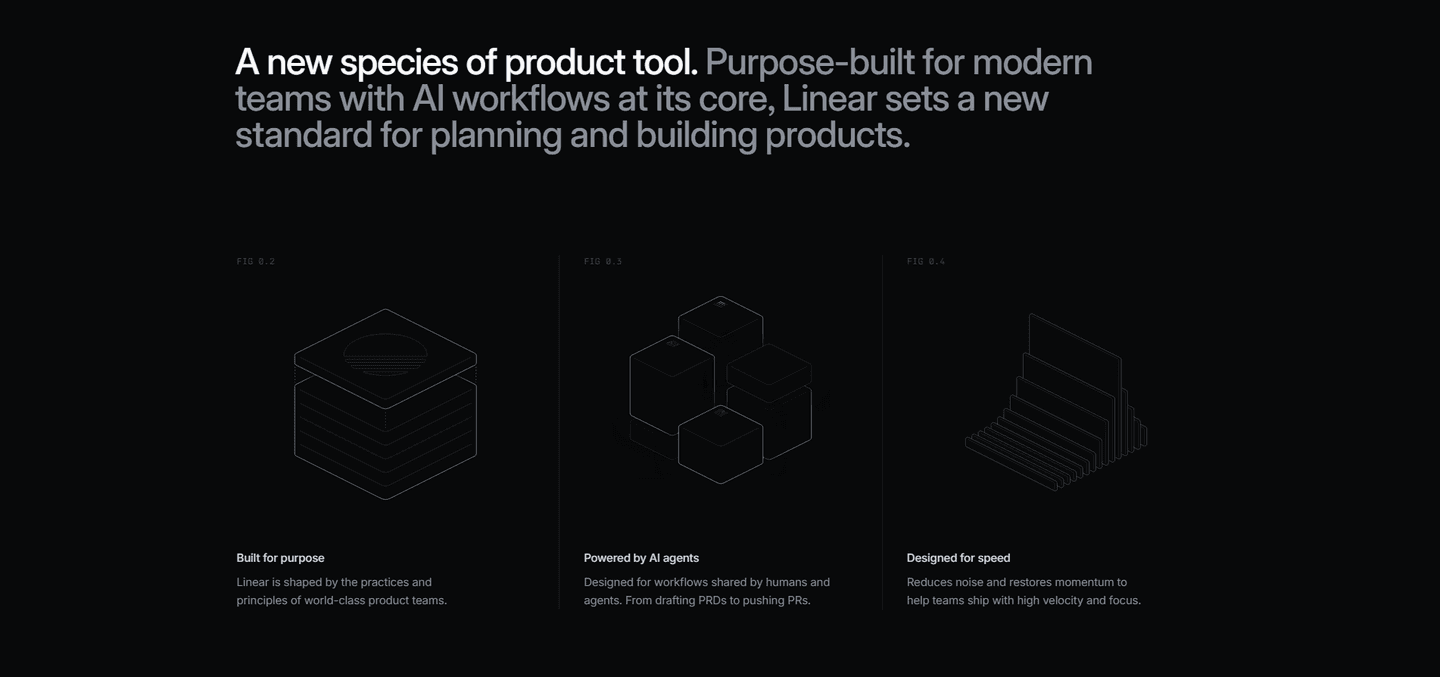
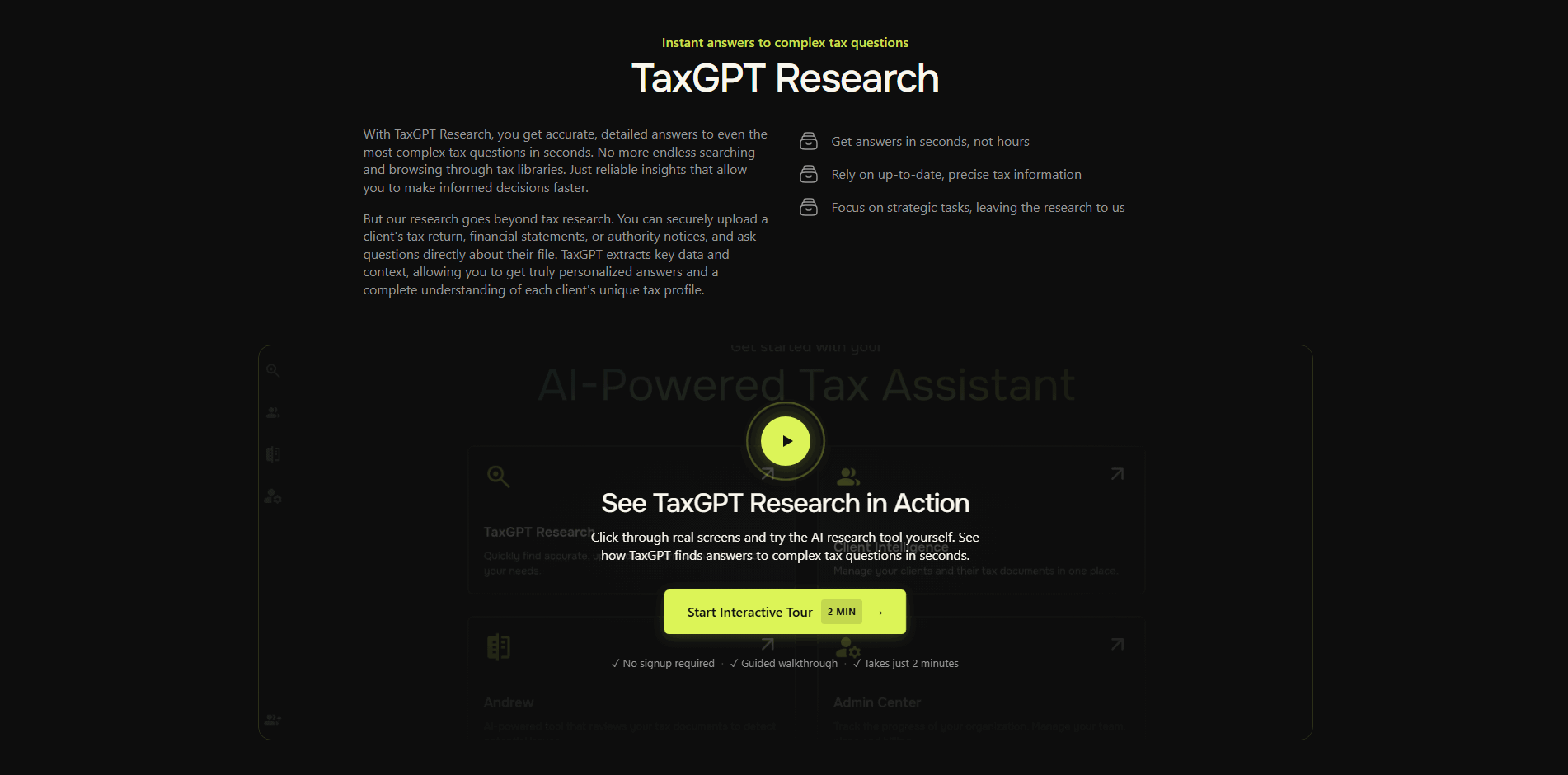
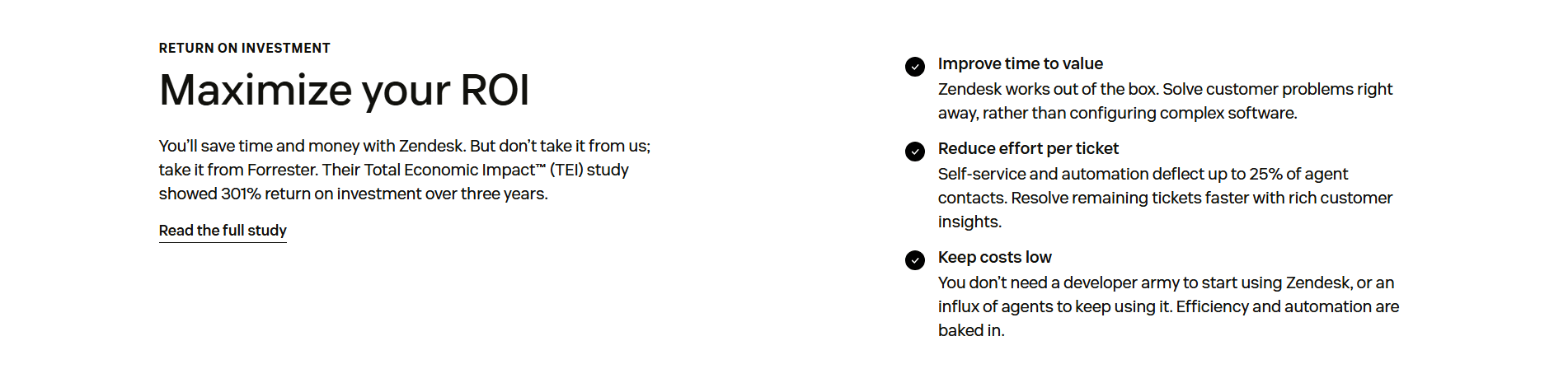
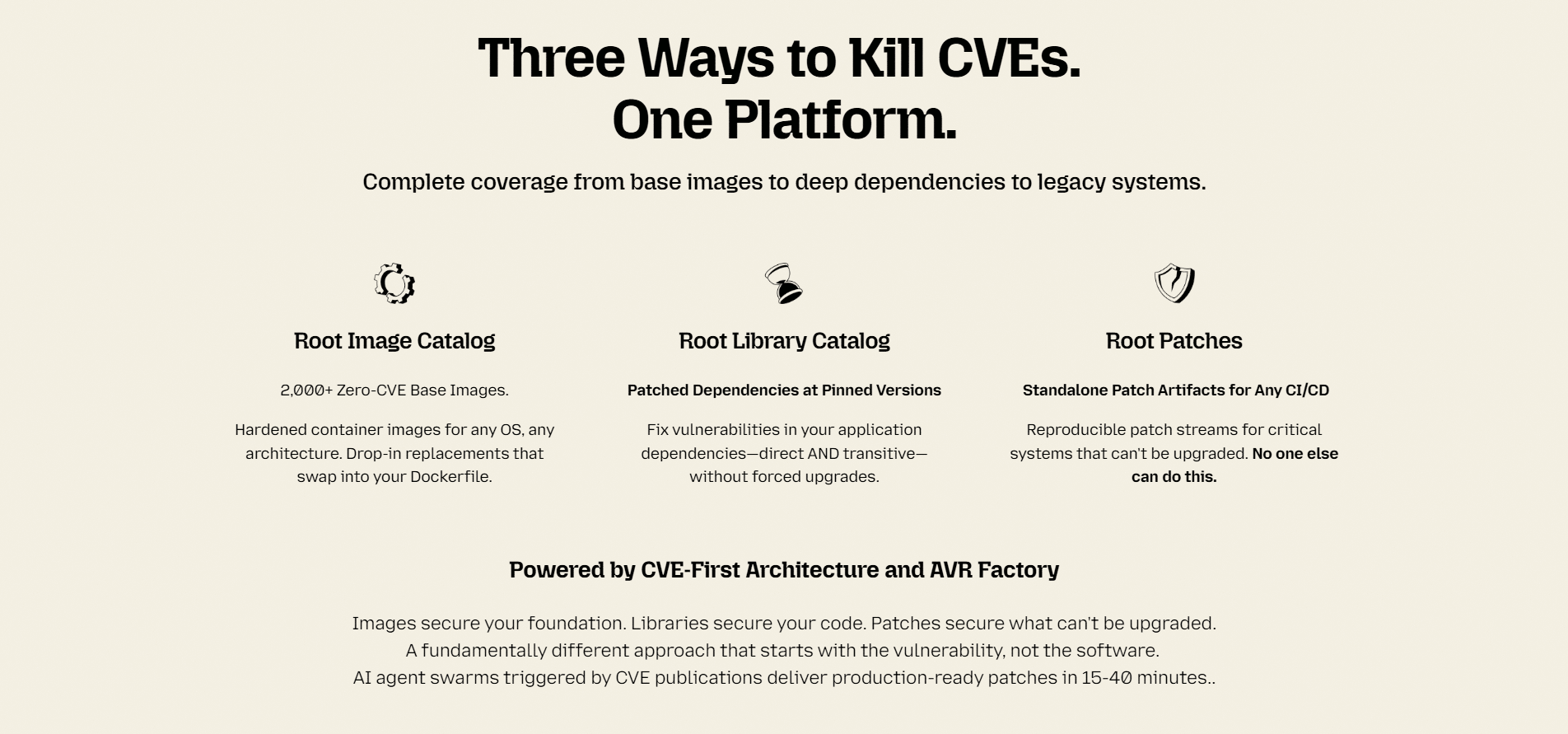

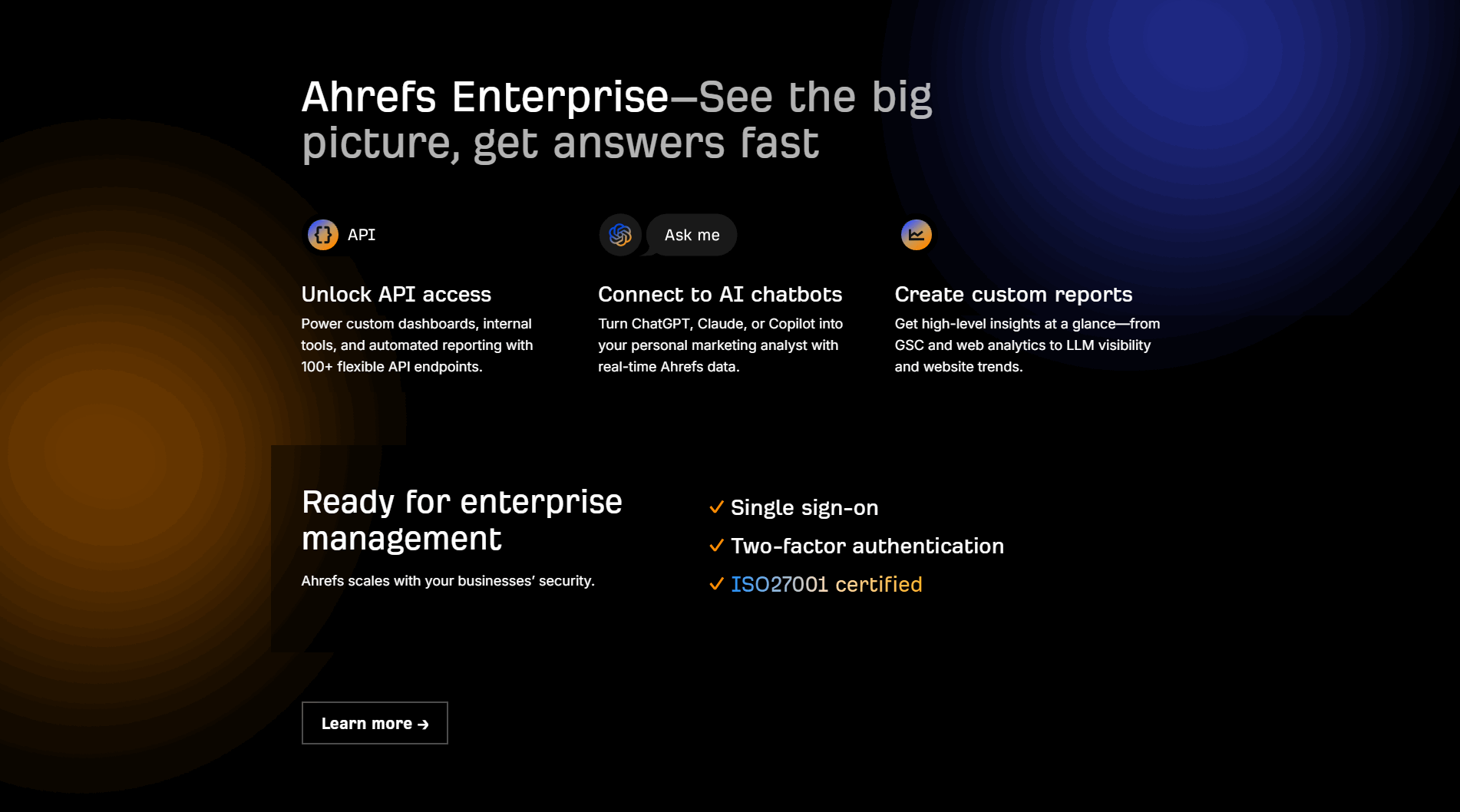
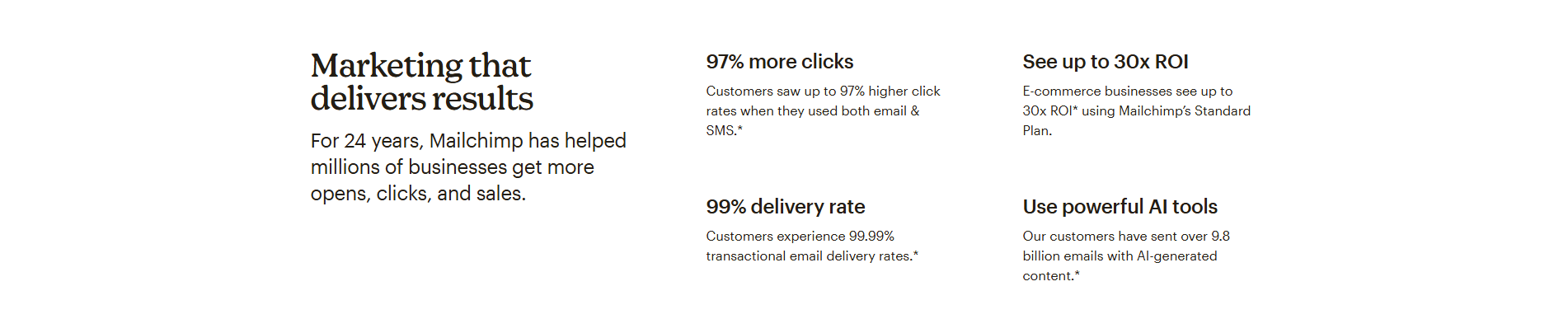
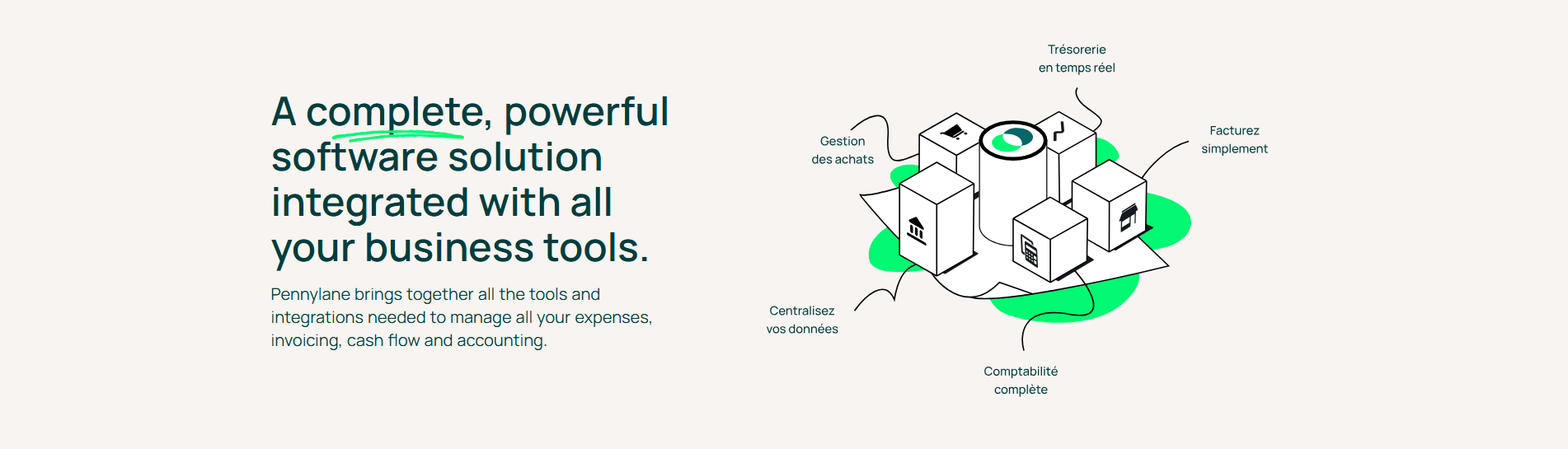
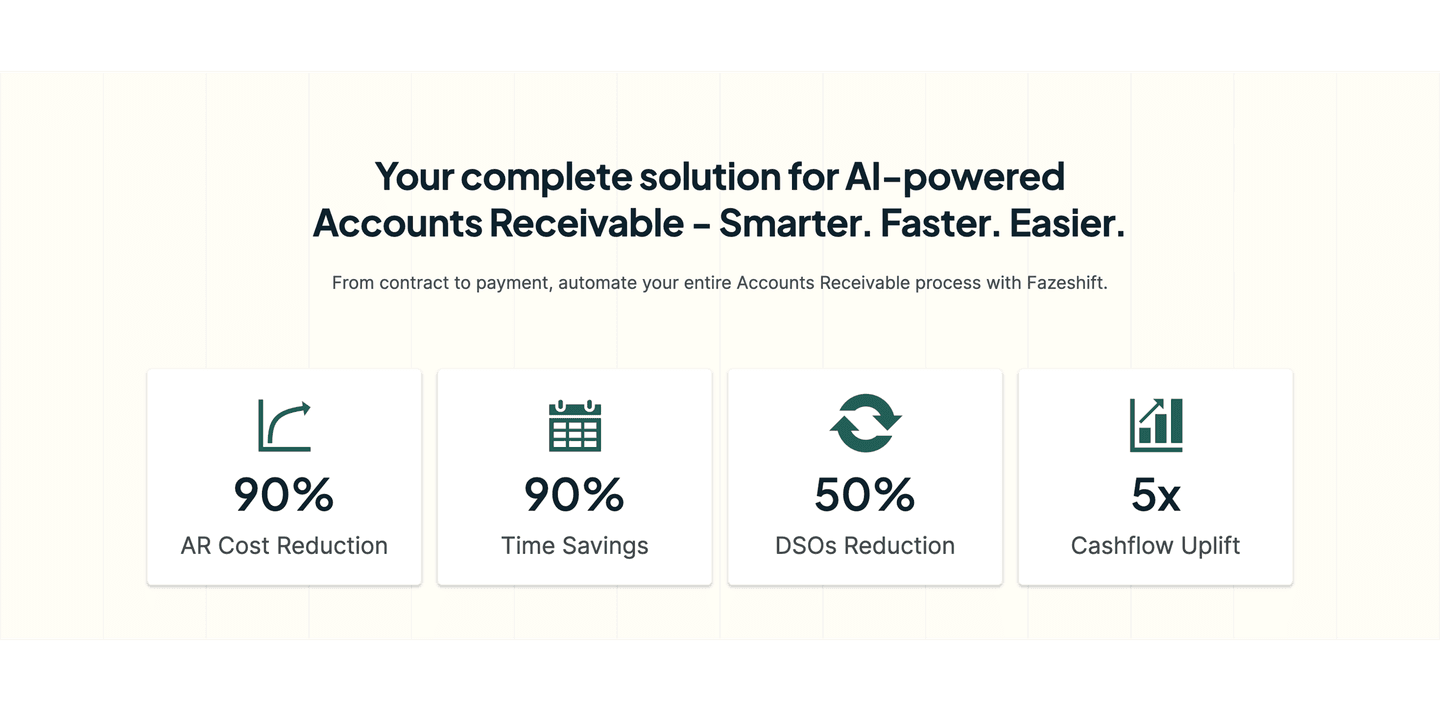
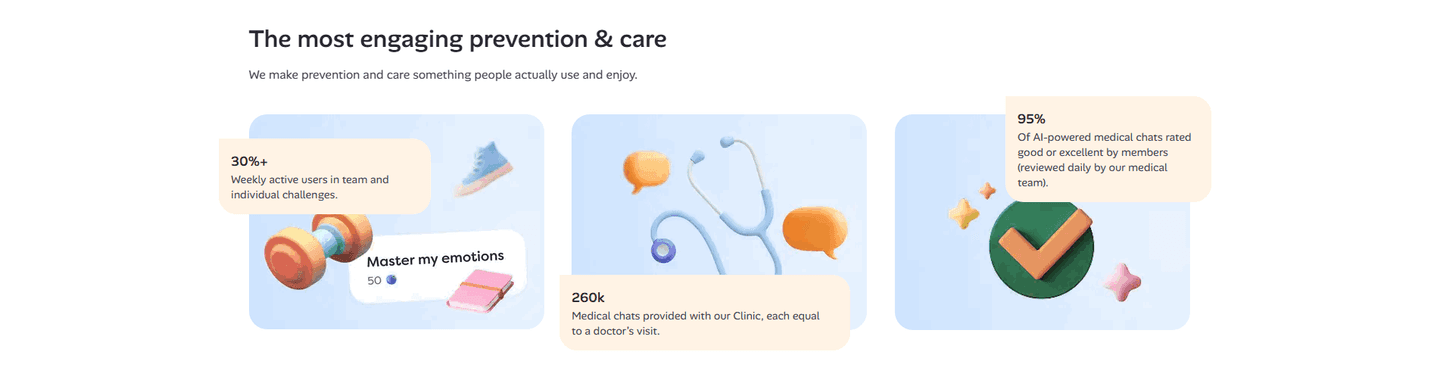
Every value proposition section is scored across 6 conversion best practices. Copy the best practice stack, not the design. See what converts and why.
Hand-picked from 350+ companies and analyzed by our AI conversion agent. Not a random dump of homepages. Every entry earns its spot.
Found a value proposition you admire? Run yours through the same scoring engine. See where you stand on the same best practices, and what to fix first.
We scored 234 value proposition sections across conversion best practices. The table below shows how widely each element is adopted. The lower the number, the bigger your edge by adding it.
An icon or illustration that reinforces the concept, not decoration
A link to a dedicated page that expands on this specific value prop
"Save 4 hrs/week," "3x faster deploys." A number that makes the promise tangible
Several value props presented together, not just one
"Powered by X" or "The only tool that Y." Explains why your approach works differently
"Ship 2x faster" not "Improve productivity." The reader can picture the outcome
| Element | What it means | Use it | Type |
|---|---|---|---|
| Visual metaphor | An icon or illustration that reinforces the concept, not decoration | 9% | Big opportunity |
| Deep-dive link | A link to a dedicated page that expands on this specific value prop | 15% | Big opportunity |
| Outcome quantification | "Save 4 hrs/week," "3x faster deploys." A number that makes the promise tangible | 28% | Big opportunity |
| Multiple propositions | Several value props presented together, not just one | 39% | Opportunity |
| Unique mechanism | "Powered by X" or "The only tool that Y." Explains why your approach works differently | 44% | Opportunity |
| Benefit specificity | "Ship 2x faster" not "Improve productivity." The reader can picture the outcome | 76% | Common |
The biggest gap between average sections and the best: outcome quantification. 28% of all sections use it, but 77% of the best-in-class do. A concrete number ("Save 4 hrs/week") turns an abstract promise into proof.
Visual metaphor is the rarest best practice (9%). But it's not correlated with higher scores: only 8% of best-in-class sections use one. Focus your effort on quantification and multiple propositions before worrying about icons.
Across 234 scored value proposition sections, here's how scores break down.
83% of value proposition sections score between 30 and 69. Only 10% break 80. The bar is low — adding 2-3 best practices puts you ahead of most.
Our AI conversion agent evaluates every value proposition section against a weighted checklist that spans three dimensions. Each best practice gets a pass or fail based on the actual page content and screenshot.
Not every best practice carries the same weight. Benefit specificity and outcome quantification pull the score up more because in our dataset, value proposition sections with those two elements consistently score above average.
Sections flagged best-in-class are hand-picked by our team from the highest-scoring sections. A high score gets you on the list. Best-in-class means the design, copy, and psychology all work together.
Interactive quiz
Can the reader picture the specific outcome?
"Ship 2x faster" not "Improve productivity"
13 value proposition sections in our library are flagged best-in-class. They score higher because they stack best practices differently.
100% have benefit specificity, versus 76% across the board. No best-in-class section settles for "Improve your productivity." Each one names the result the visitor gets.
Samsara, Deel, Ahrefs stack all four elements above. Four conversion best practices in a single section. That's the recipe for a high score.
 100/100
The lowest-scoring value proposition sections in our library aren't ugly. Most of them look good. They just don't do enough.
A low-scoring section typically has one problem: it's vague. The benefit is there ("Save time") but no number backs it up. 72% of all sections skip outcome quantification. That's the most common gap.
Second: no unique mechanism. 56% of sections don't explain how or why their solution is different. The visitor reads the benefits and wonders "OK, but why is this better than the alternatives?"
Then there's a single value prop. 61% of sections present only one argument. For a product with multiple benefits, that's like showing one facet of a diamond.
The fix isn't redesigning the section. It's adding a number to each benefit and presenting 2 to 4 propositions instead of one. The gap between a low score and a mid score is usually two missing elements.
Want to know which best practices your value proposition is missing? Try our landing page analysis →
 10/100
Curated by
Gabriel Amzallag , Founder, LPA
5 years CRO + SEO at Qonto (2021–2025). After advising 15+ SaaS on their websites (Payfit, Pigment…), the same patterns kept breaking — so I decided to build the source of truth on what works on the web: the intelligence layer every tool, builder, and team uses to ship sites that perform.
See how different industries design their value proposition sections.
Real examples from top SaaS landing pages, scored and analyzed.
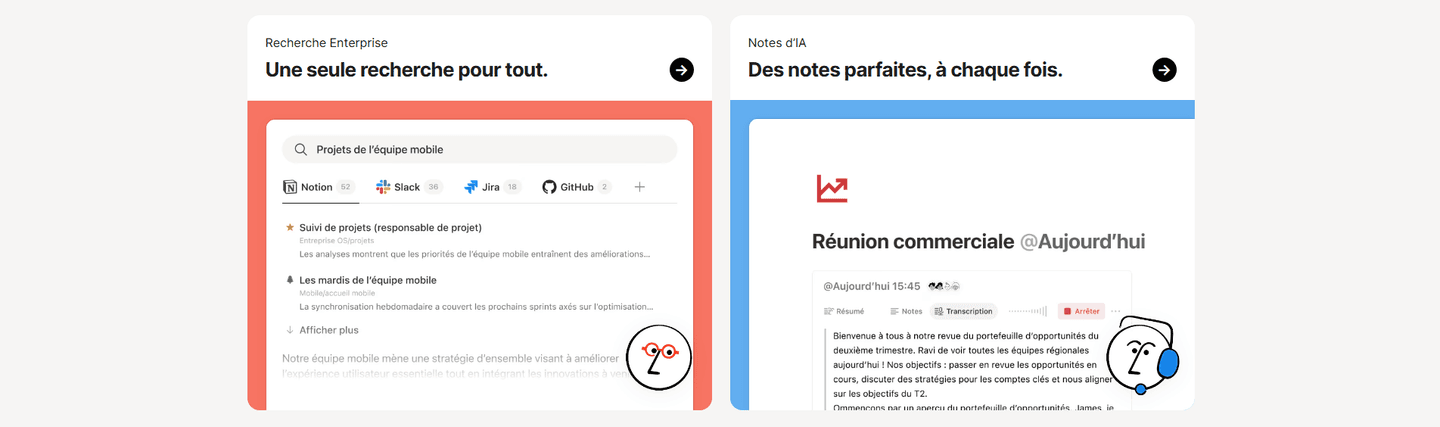
How top products present their features: grids, bento layouts, interactive demos. Real examples with scores.
Browse features sections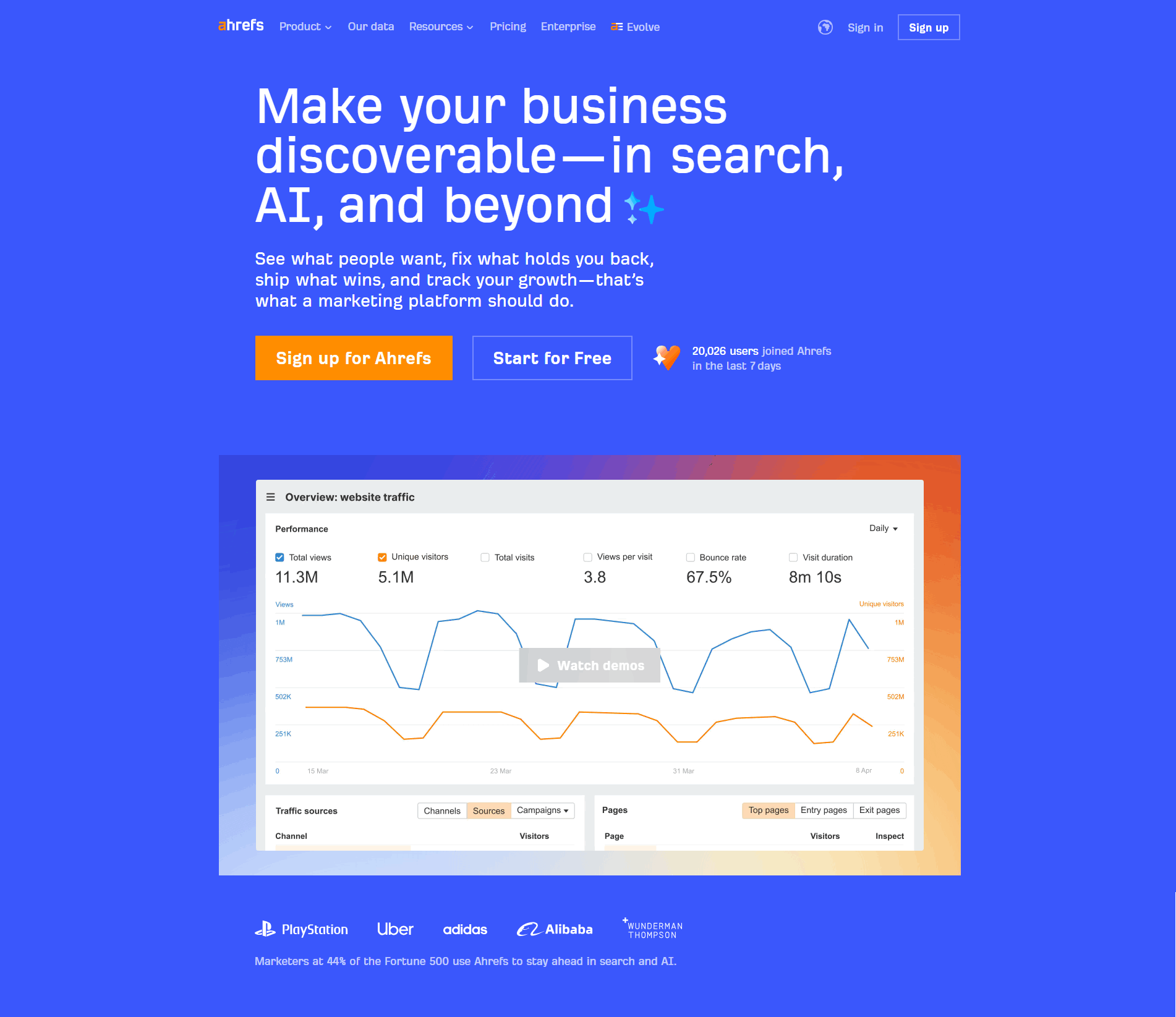
The first screen your visitors see. Browse the hero sections that convert best, with scores and analysis.
Browse hero sections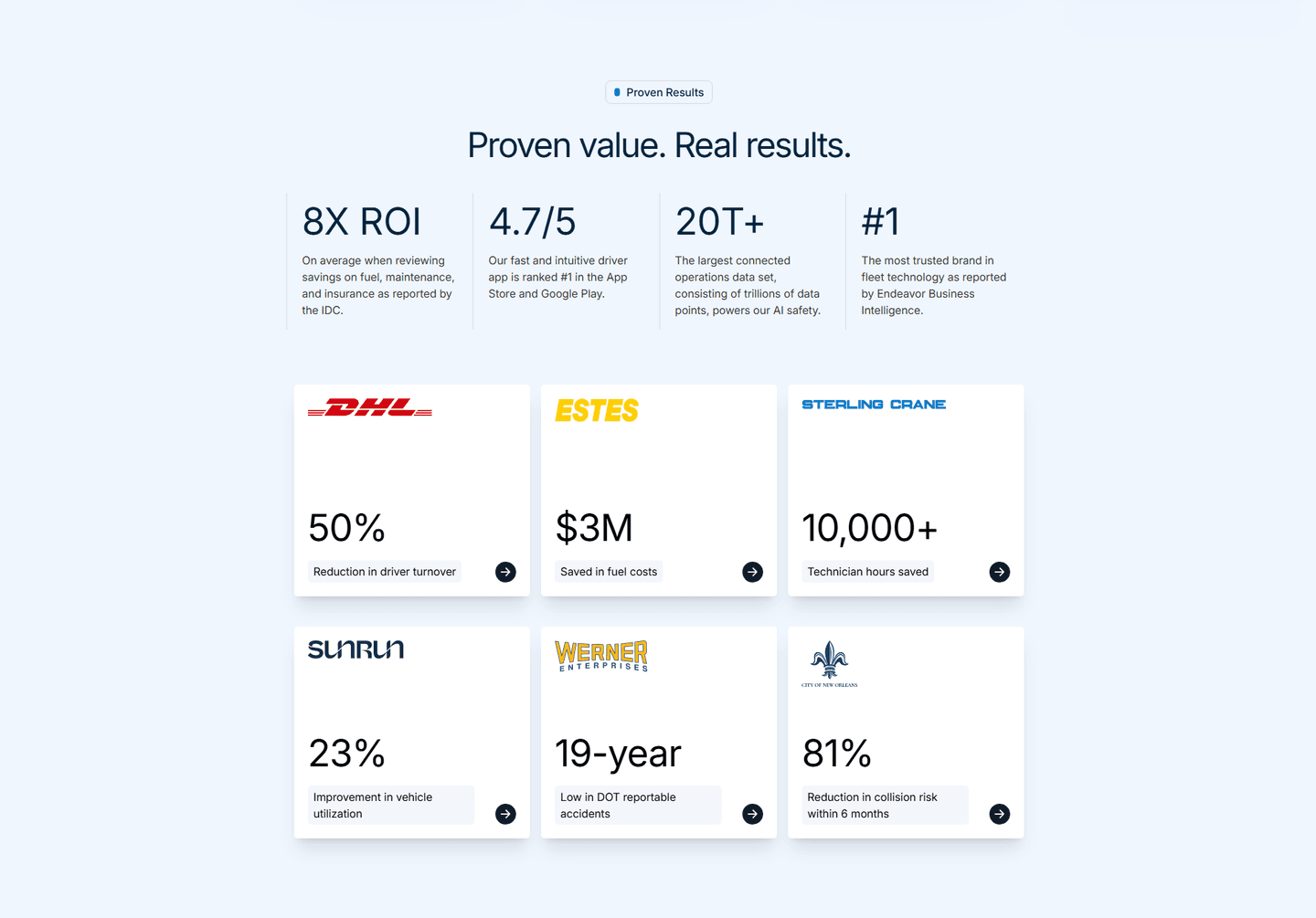
Logos, badges, certifications, guarantees. See how top SaaS products build credibility section by section.
Browse trust sectionsPaste your URL. Get a scored analysis of your value proposition section with specific fixes. Free, no signup.
Everything you need to know about value proposition section design, based on our analysis of real SaaS landing pages.
Start with the audience, the outcome, and the mechanism. Write one sentence for each. "For [audience], get [outcome], because [mechanism]." Then strip the template. "Sales teams close 30% more deals because every call is auto-logged and coached in real time" is that formula stitched into one line. If you can't fill in all three, your positioning isn't ready yet. The mechanism is usually the missing piece. Draft three variants, show them to five people in your ICP, and ship the one they can repeat back to you without re-reading.
A tagline is a brand slogan: short, memorable, often abstract ("Think different"). A value proposition explains what you do, for whom, and what concrete result the customer gets. "Cut your audit time from 4 hours to 2 minutes" is a value proposition. "Smart auditing" is a tagline.
Yes, if your page does more than a hero and a CTA. The value proposition section expands the hero's promise into concrete detail. If your product has several benefits or the offer isn't obvious in one sentence, you need one. Launch pages, product pages, and campaign landing pages almost always benefit from it.
Right after the hero, before social proof or features. The hero promises an outcome in one sentence; the value prop section is where you expand that promise into 2–4 concrete pieces before the visitor is asked to trust you. If social proof comes first, the promise is unclear. If features come first, you're explaining "how" before the visitor cares "why." Keep the order: hero, value props, social proof, features, pricing, CTA. The exception is post-click pages from ads, where a shorter path can skip features entirely.
The value prop section sells the outcome. The features section explains the mechanism. "Close deals 30% faster" belongs in value props. "Auto-logs every call and pulls CRM context into a call summary" belongs in features. The same product can appear in both. The value prop frames what the visitor gets, features show what ships. If your value props read like a feature list ("AI-powered," "Real-time sync"), you've skipped the outcome layer. Rewrite each one as the thing the customer will notice in their day, not the thing engineers built.
Run your page through our landing page analyzer. You'll get a scored breakdown of your value proposition section across conversion best practices (benefit specificity, unique mechanism, outcome quantification, multiple propositions) with specific fixes prioritized by impact.