Best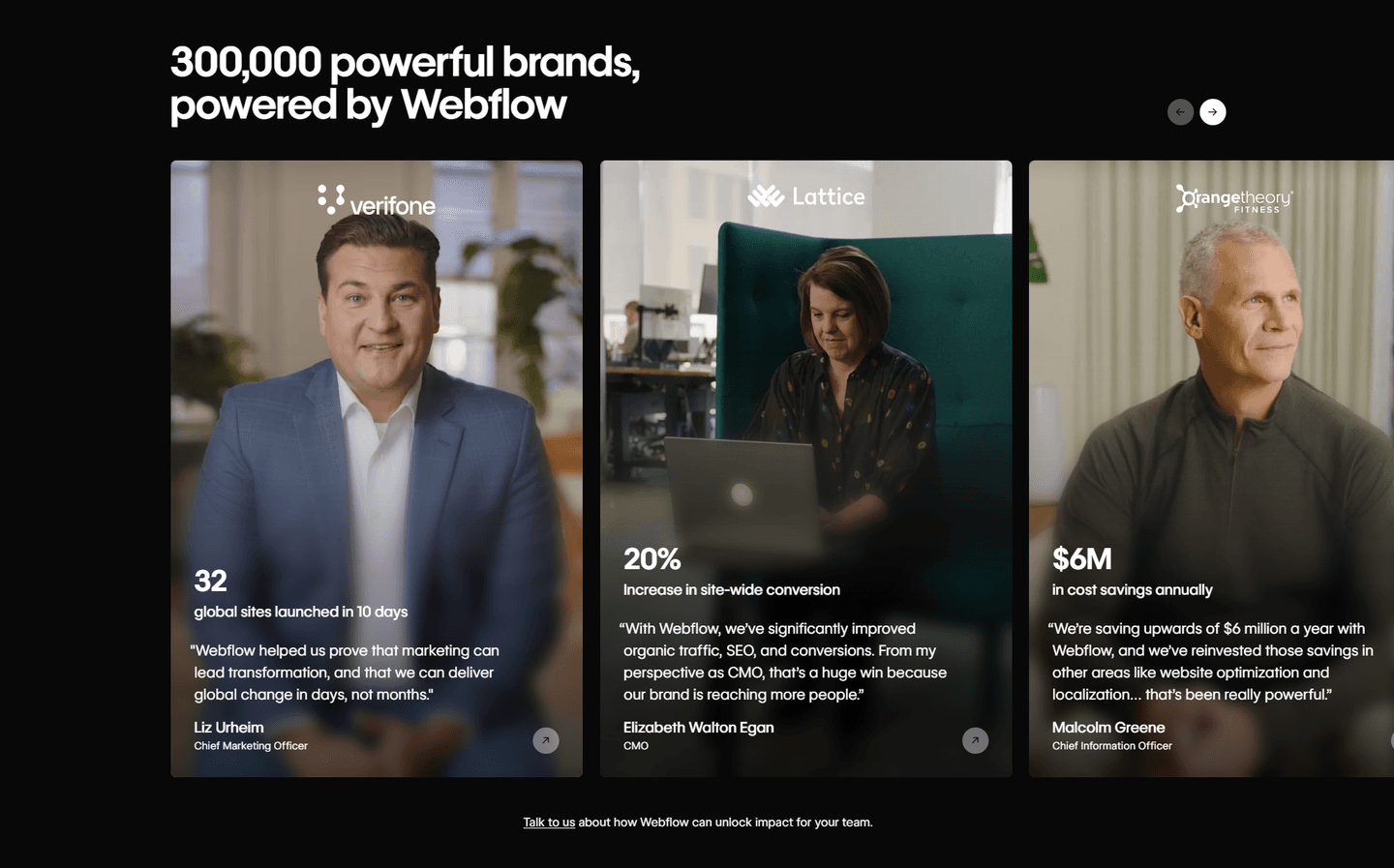
Testimonial|
Webflow SaaS Testimonial Design
100/100
Hand-picked 223 testimonial sections, scored across conversion best practices. See what the best social proof looks like.
Showing 1–21 of 223 examples
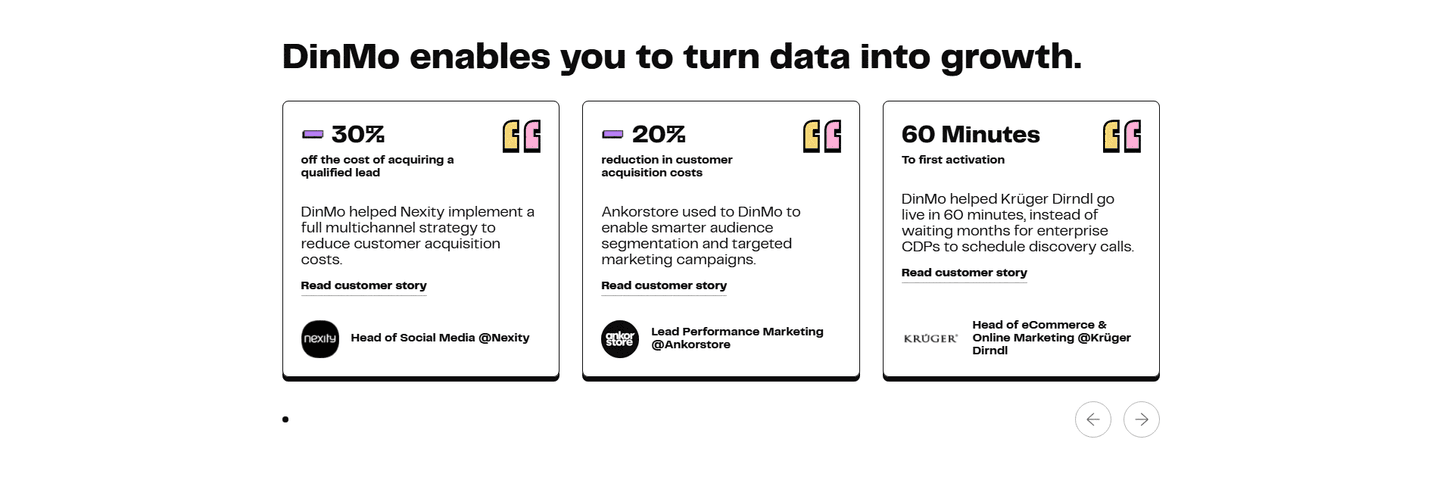
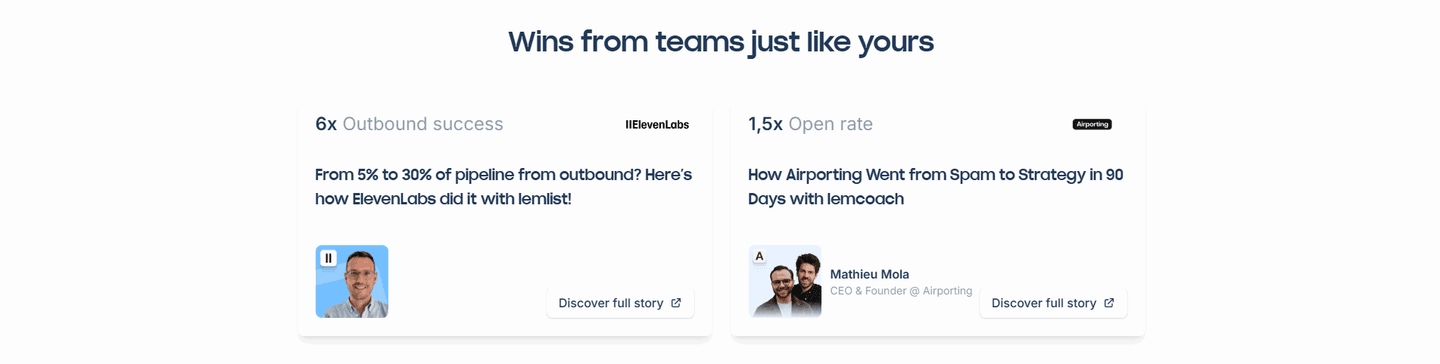
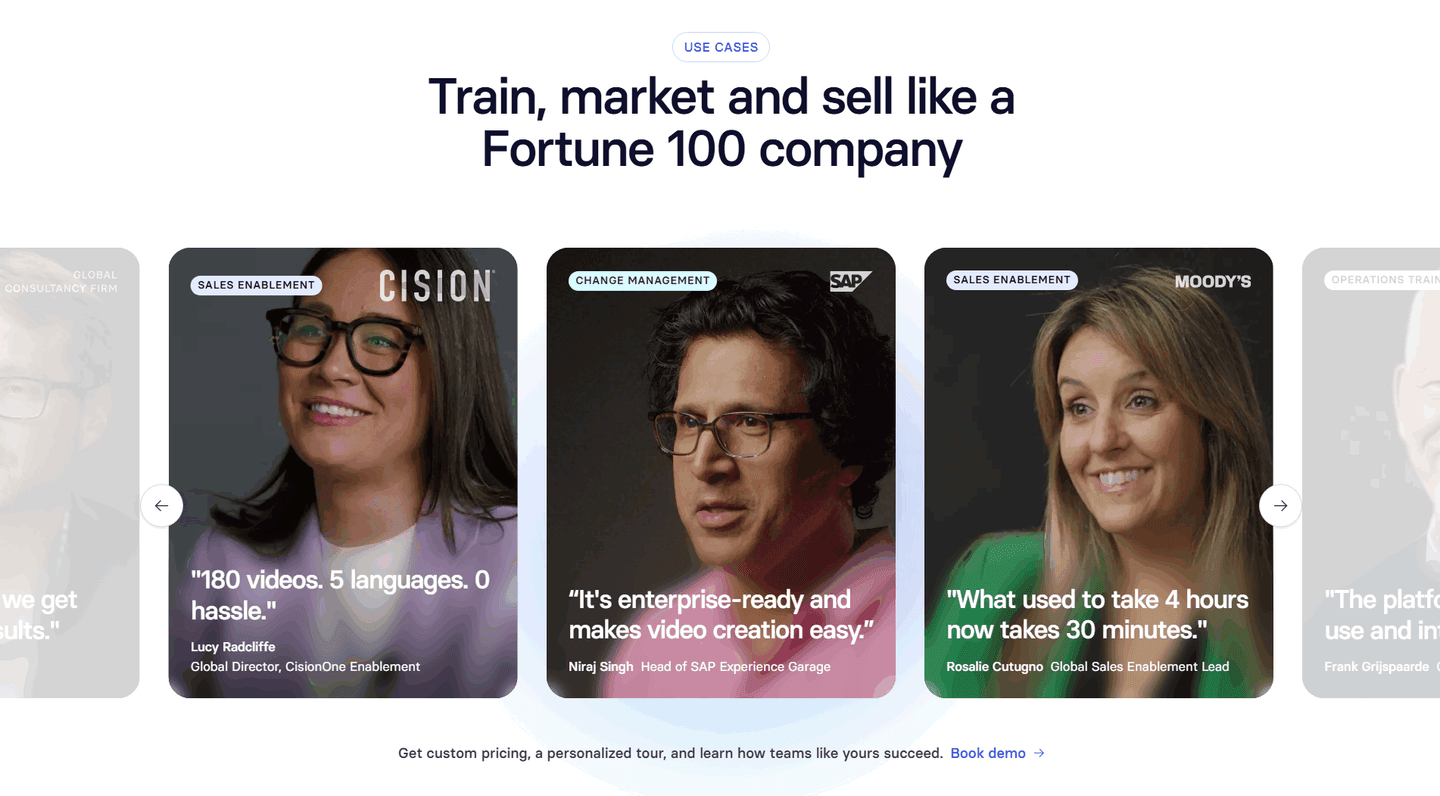
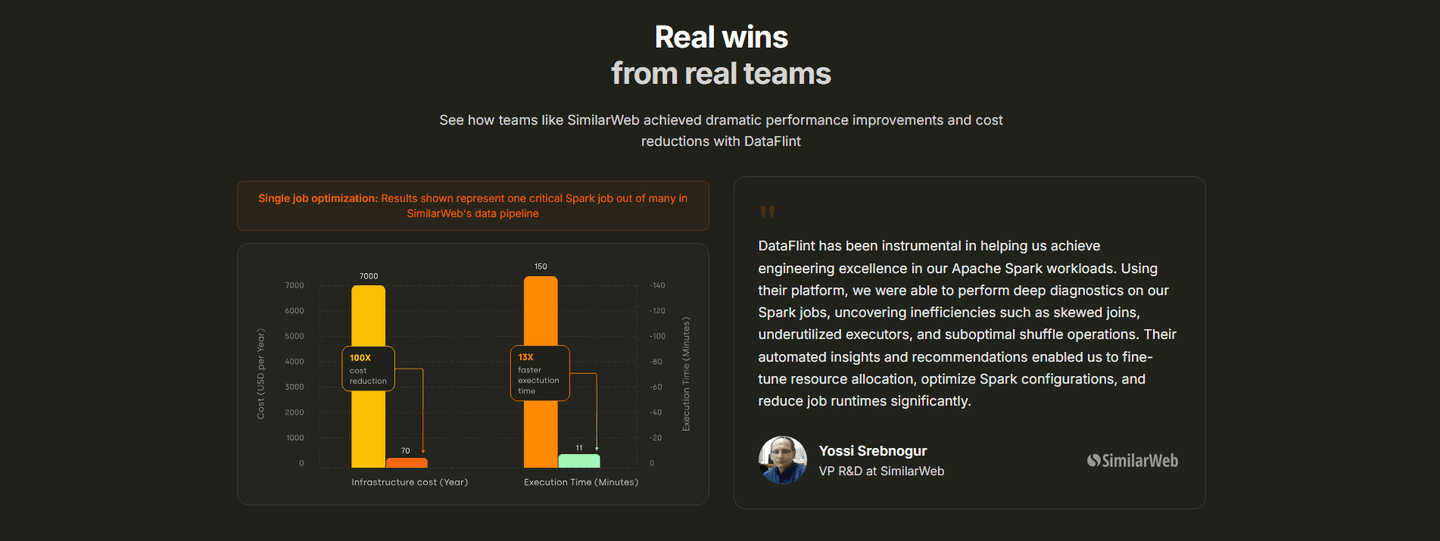
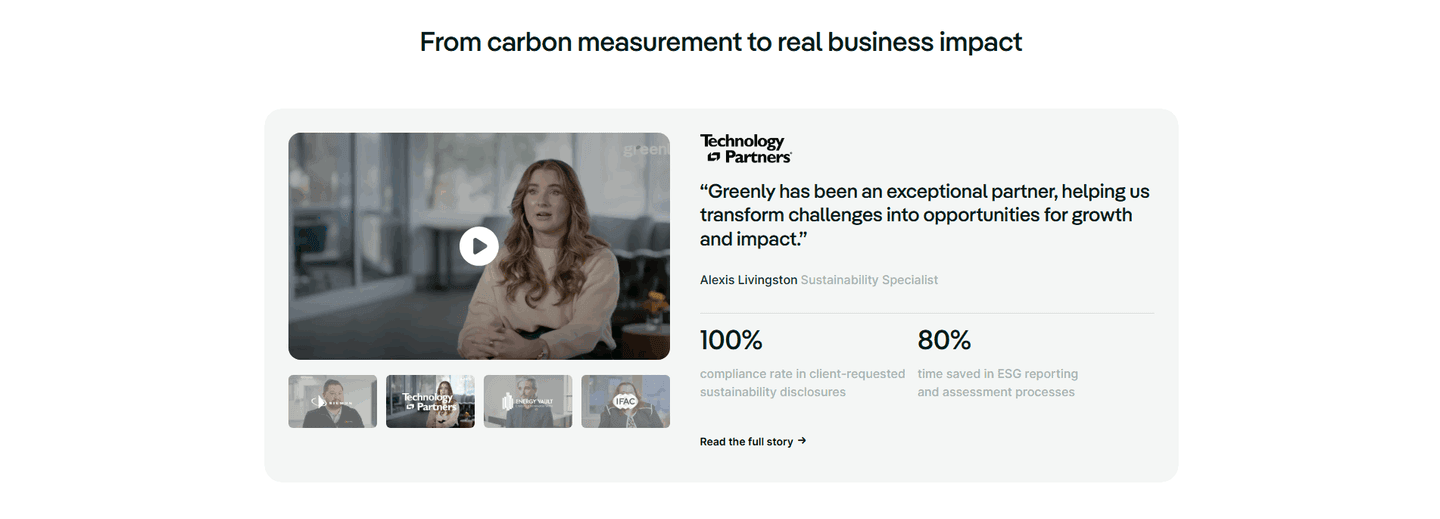
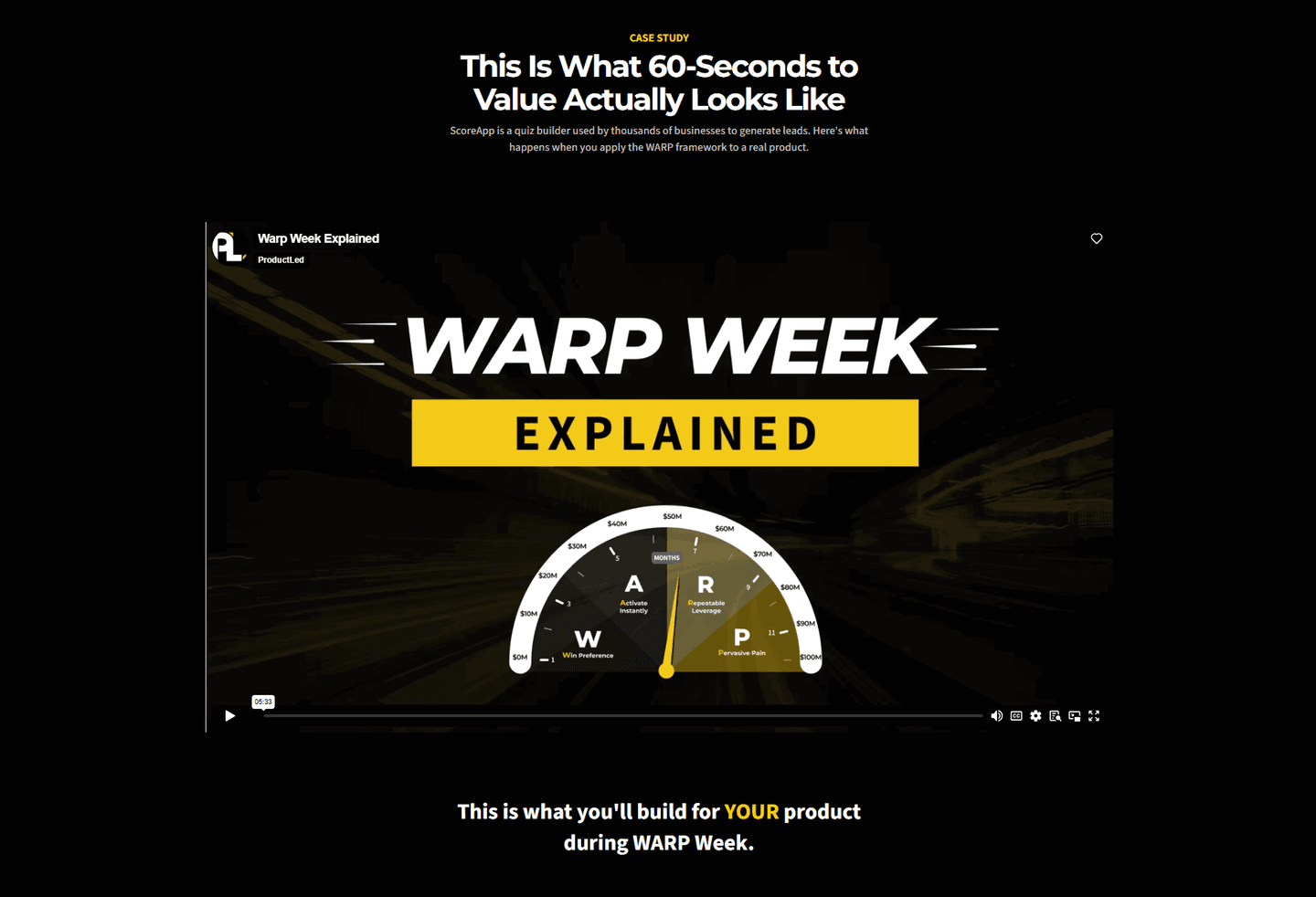
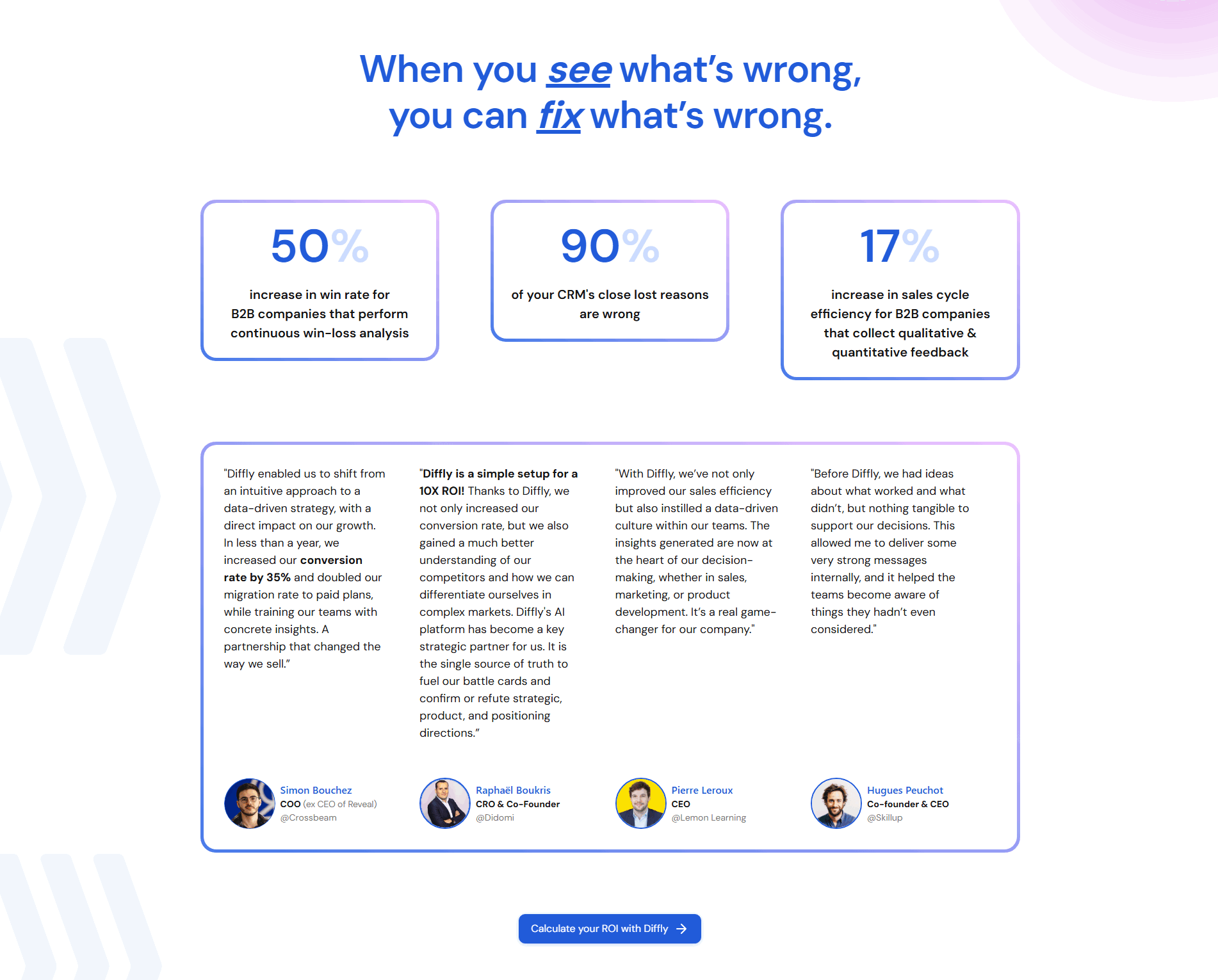
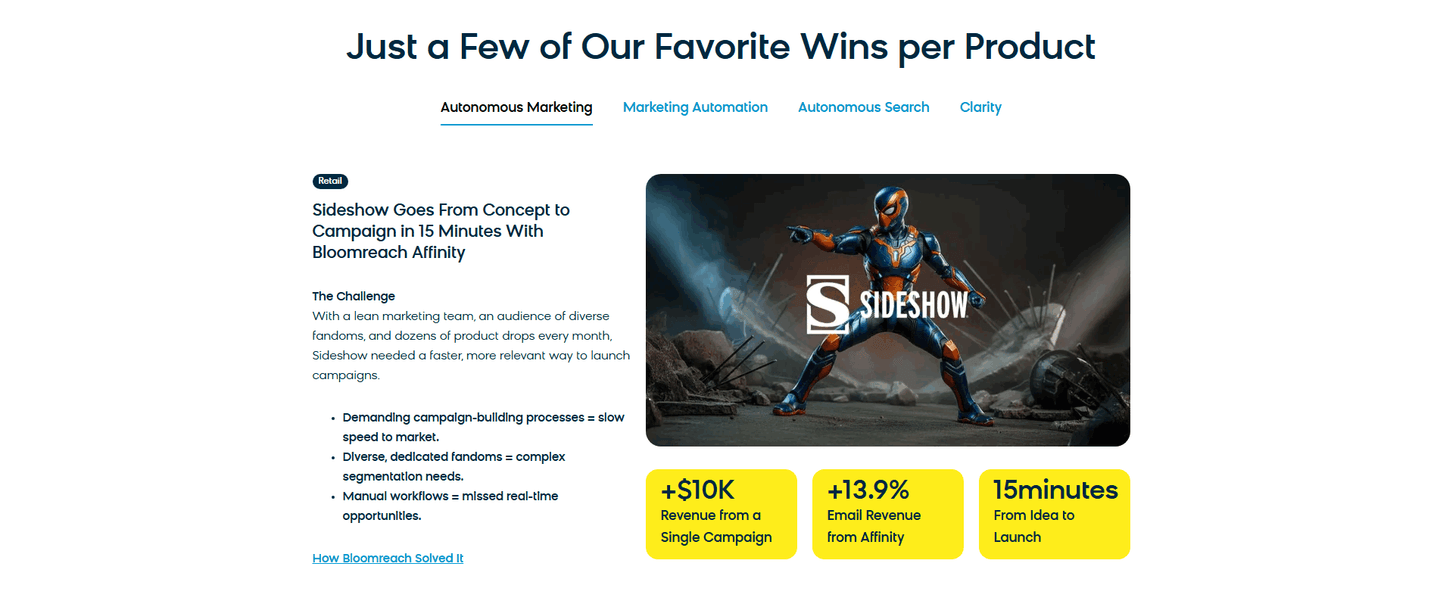
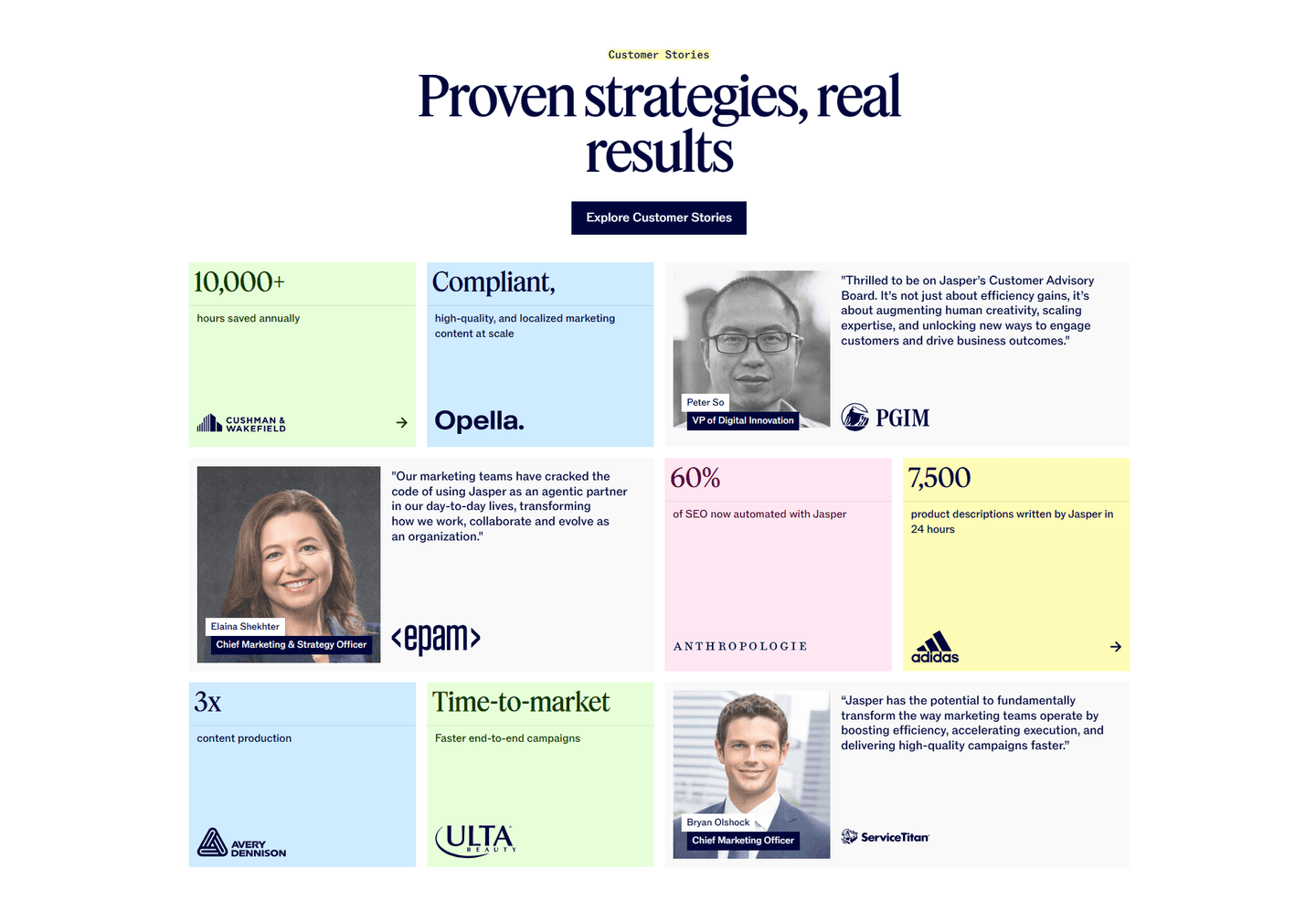
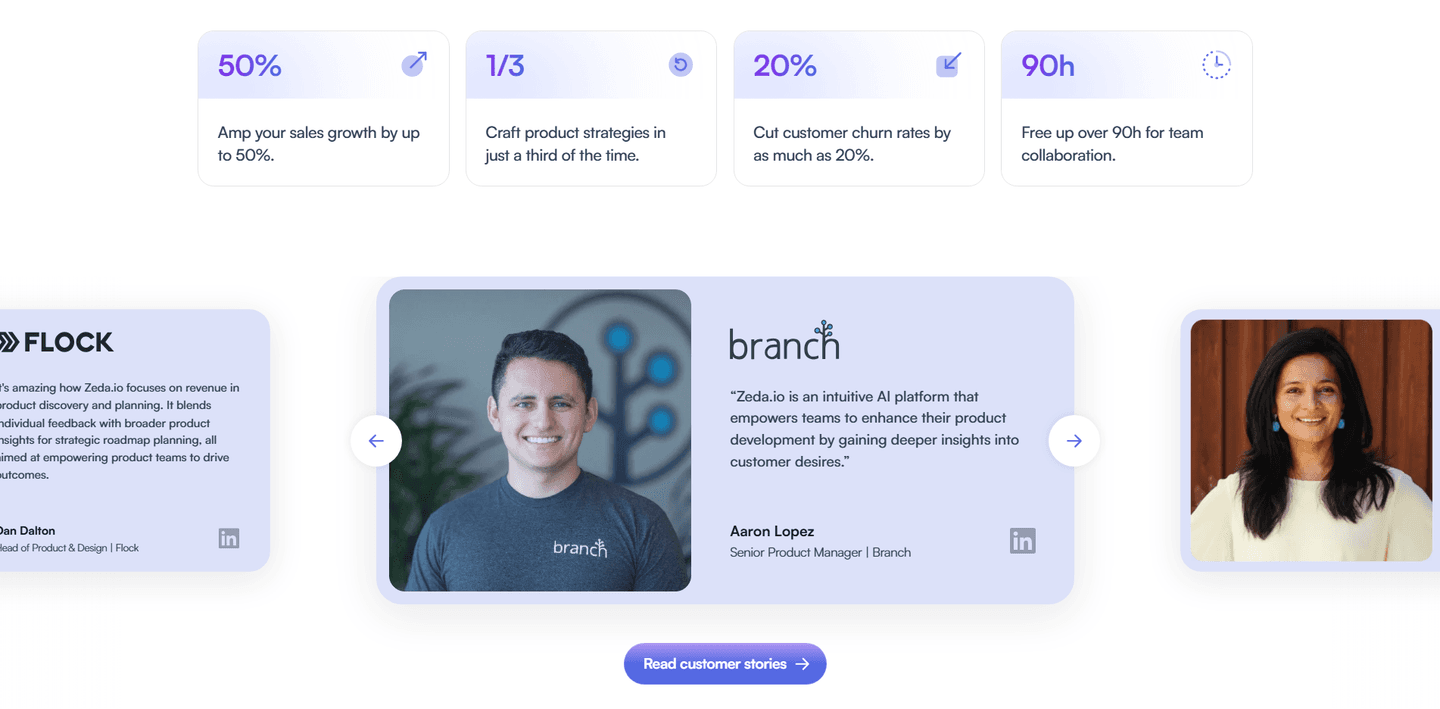
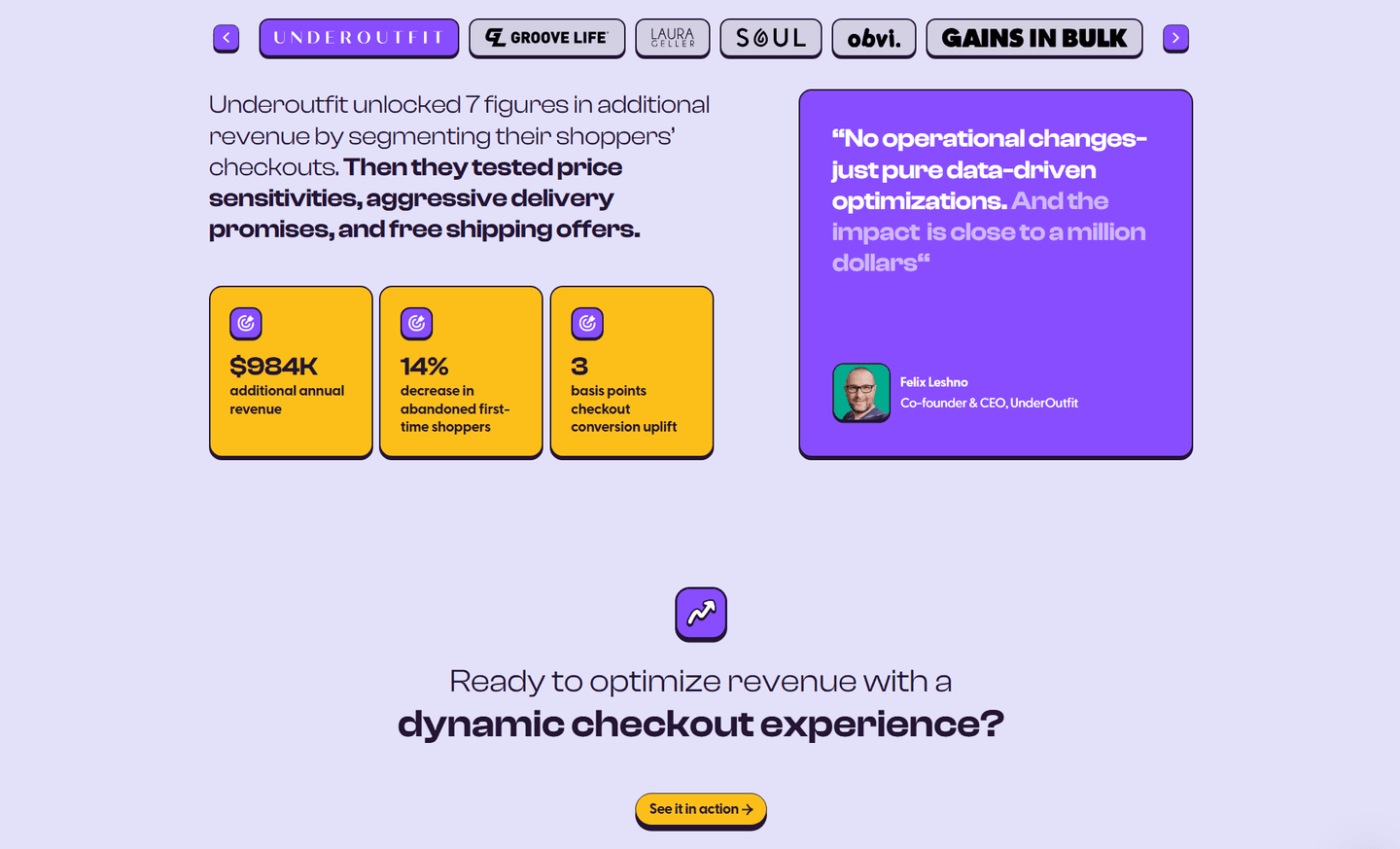
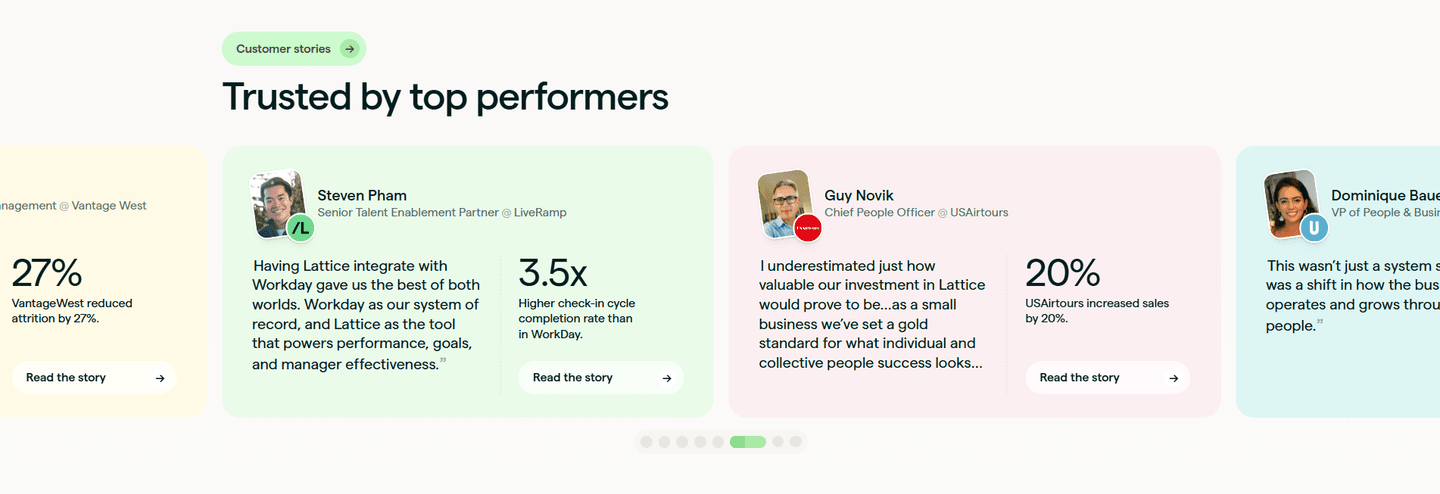
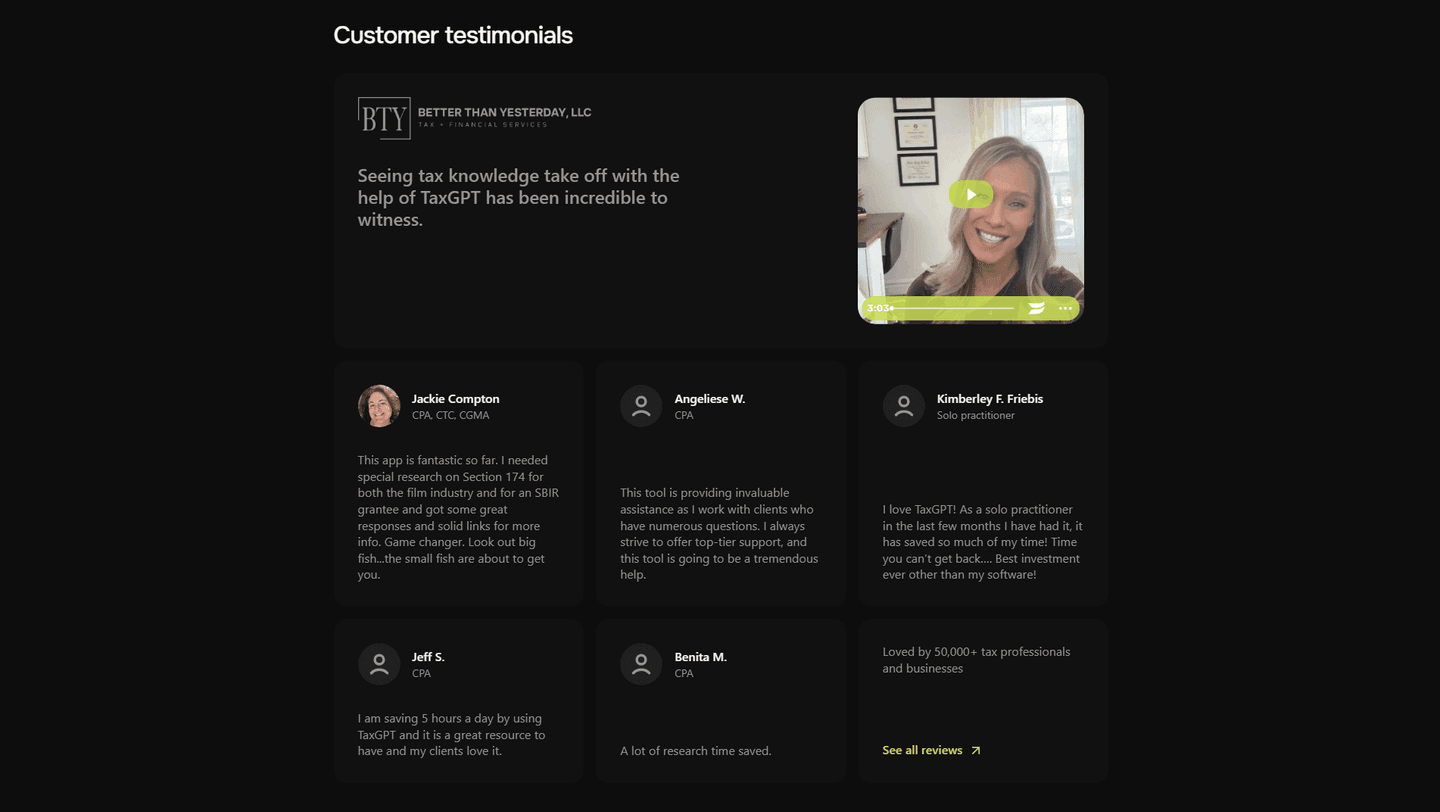
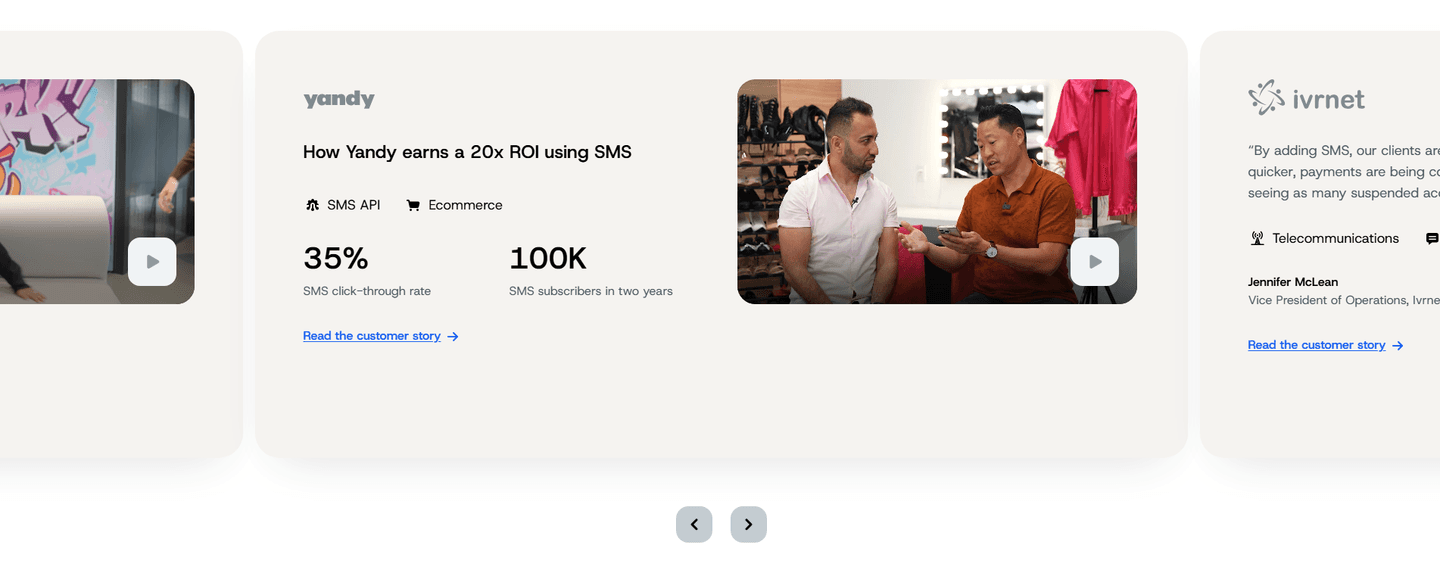
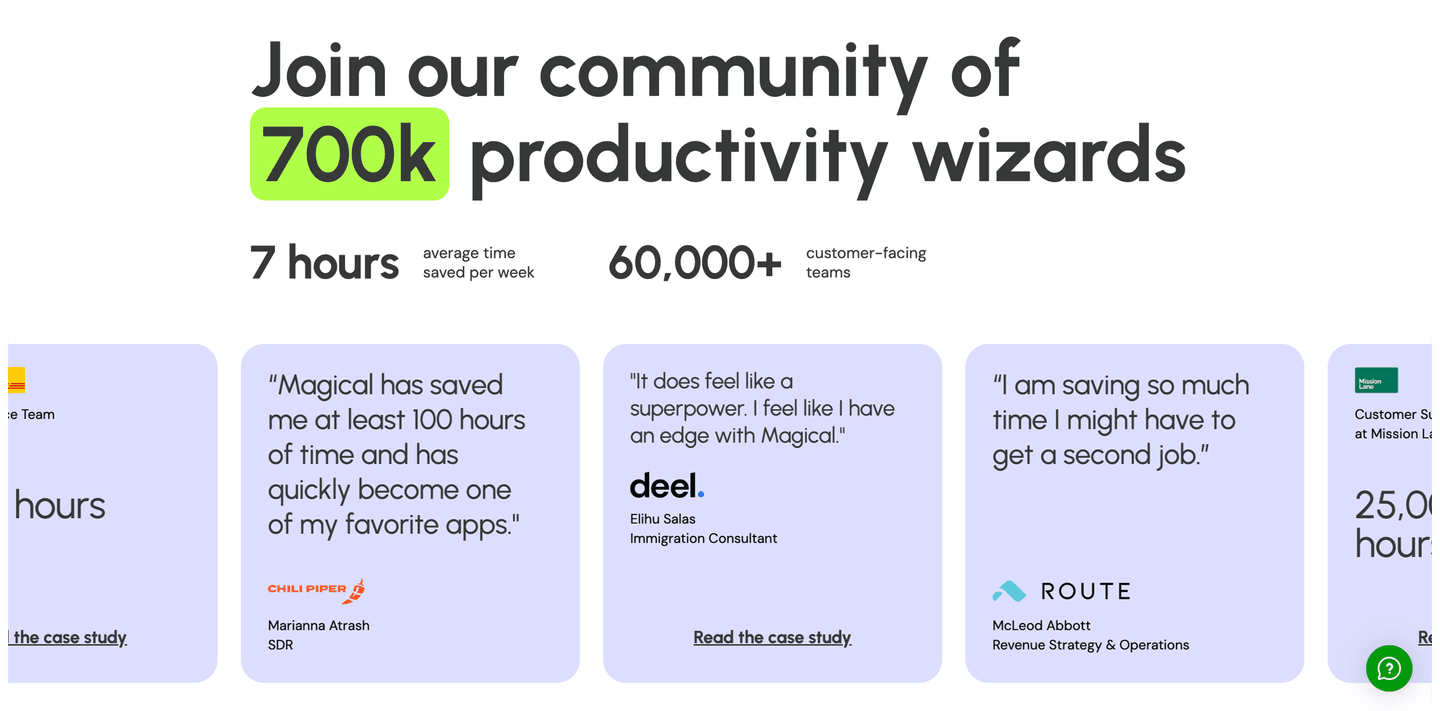
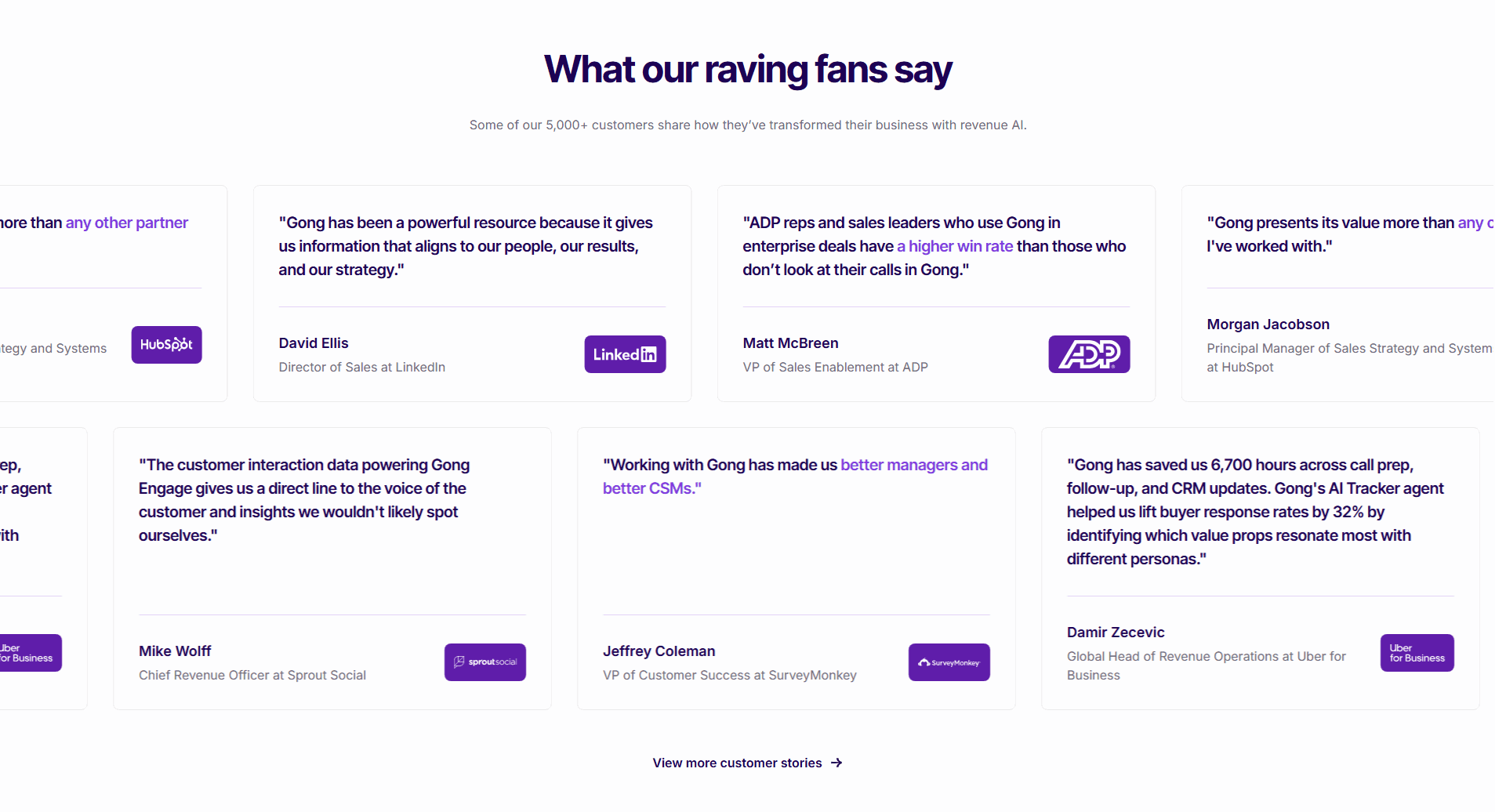
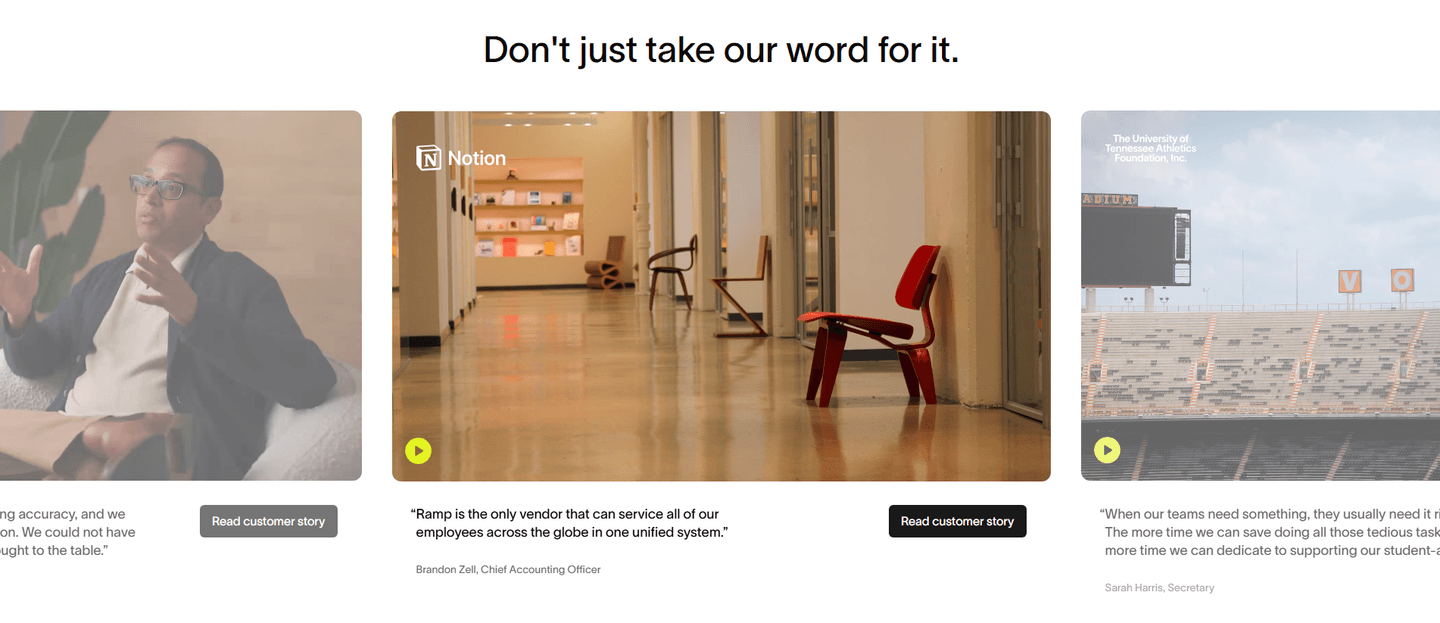
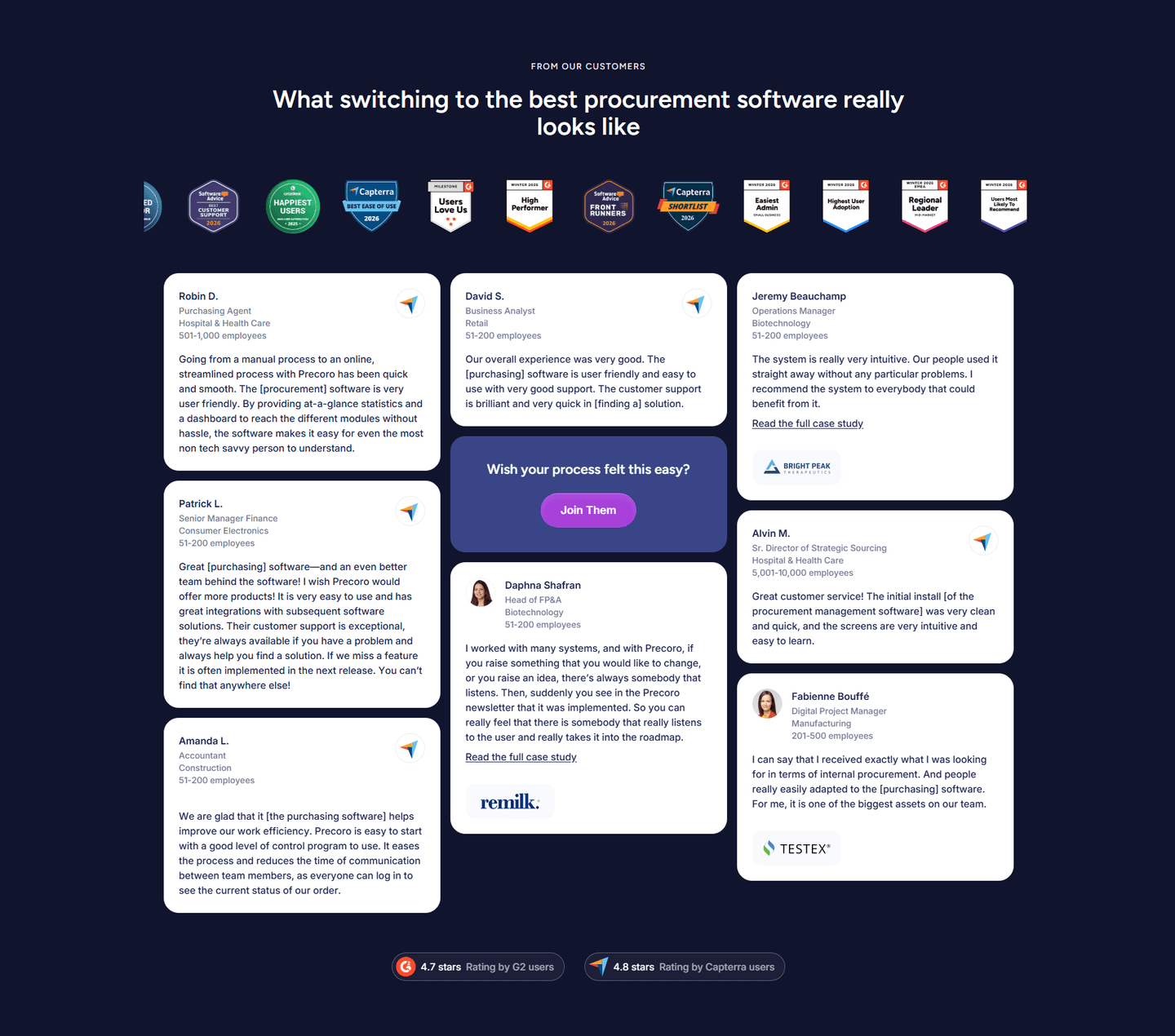
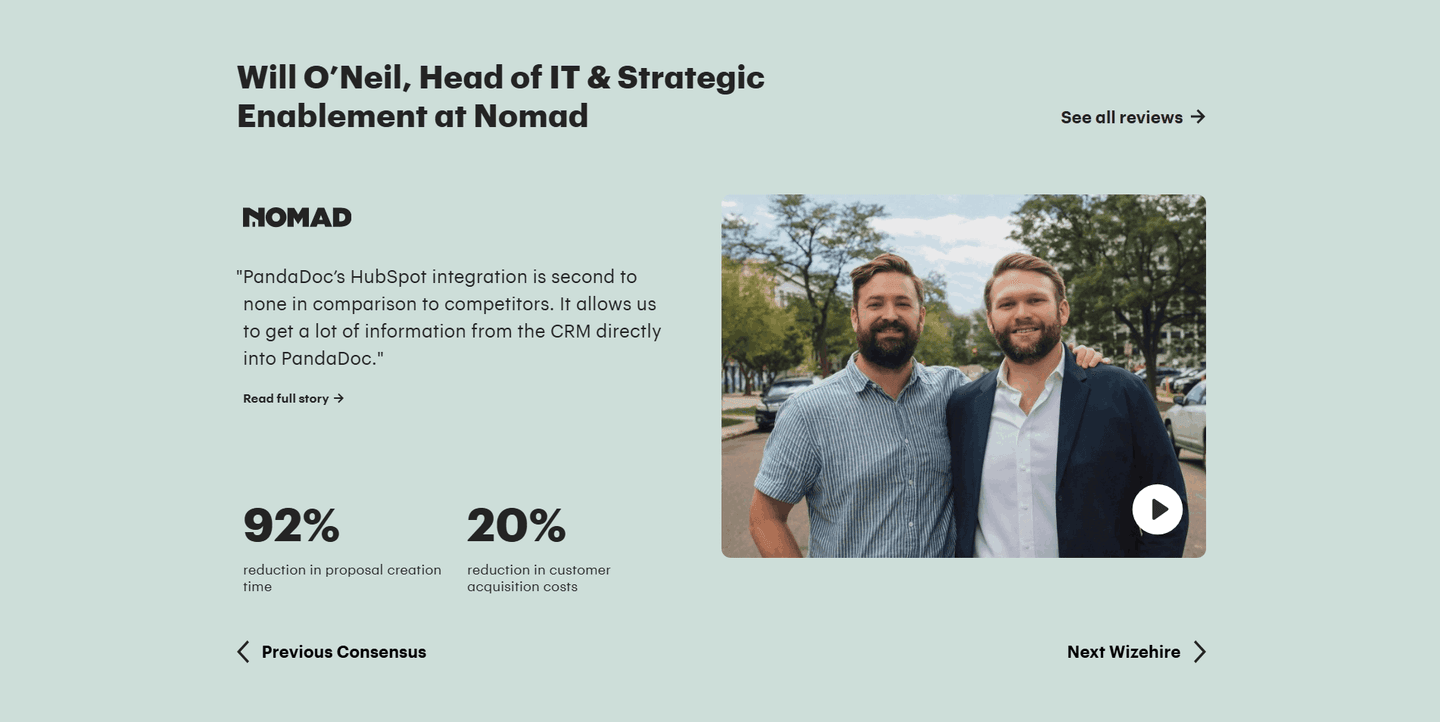
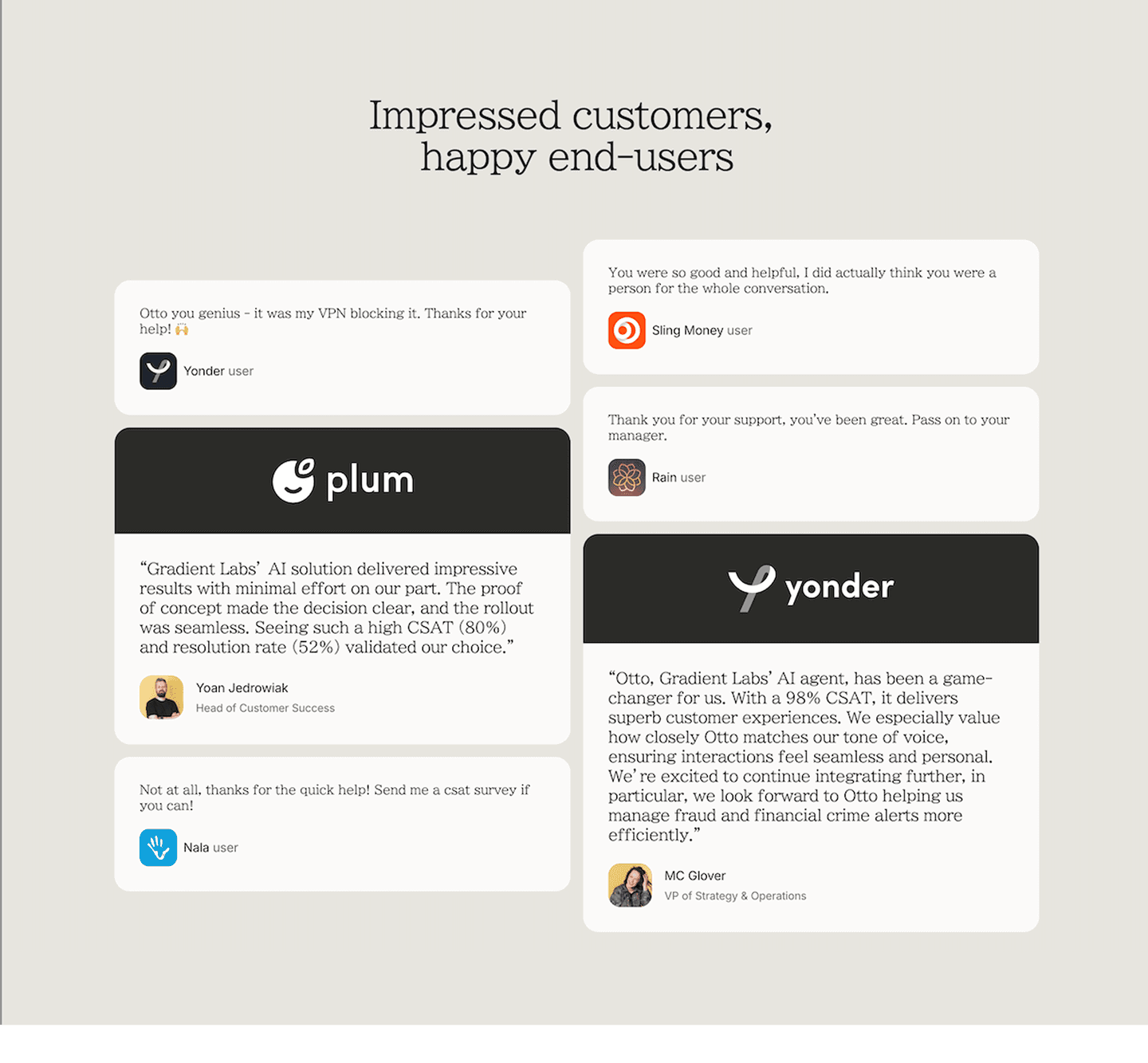
Every testimonial section is scored across 6 conversion best practices. Copy the best practice stack, not just the layout. See what builds trust and what falls flat.
Hand-picked from 350+ companies and analyzed by our AI conversion agent. Not a random dump of quote cards. Every entry earns its spot.
Found a testimonial section you admire? Run yours through the same scoring engine. See where you stand on the same best practices, and what to fix first.
We scored 223 testimonial sections across conversion best practices. The table below shows how widely each element is adopted. The lower the number, the bigger your edge by adding it.
A real person on camera telling their story. Higher trust than text, harder to fake
"We used to spend 6 hours on payroll. Now it takes 20 minutes." A transformation, not a compliment
"Saved 40 hours/month," "increased revenue 3x." A number, not a feeling
The testimonial links to or expands into a full case study with context, challenge, and result
Bold the outcome or metric: "cut onboarding from 3 weeks to 2 days." The eye catches it mid-scroll
"VP of Marketing at Acme," "Founder at Startup Co" — multiple personas, not one anonymous quote
| Element | What it means | Use it | Type |
|---|---|---|---|
| Video testimonial | A real person on camera telling their story. Higher trust than text, harder to fake | 23% | Big opportunity |
| Before-after story | "We used to spend 6 hours on payroll. Now it takes 20 minutes." A transformation, not a compliment | 36% | Opportunity |
| Quantified results | "Saved 40 hours/month," "increased revenue 3x." A number, not a feeling | 39% | Opportunity |
| Case study depth | The testimonial links to or expands into a full case study with context, challenge, and result | 39% | Opportunity |
| Keyword highlights | Bold the outcome or metric: "cut onboarding from 3 weeks to 2 days." The eye catches it mid-scroll | 58% | Common |
| Role & title diversity | "VP of Marketing at Acme," "Founder at Startup Co" — multiple personas, not one anonymous quote | 97% | Table stakes |
Before-after stories are the biggest gap: 80% of best-in-class testimonial sections use them, vs 36% overall. That's a 2.2x difference. Most testimonial sections collect quotes. The best ones collect stories.
Video is the rarest best practice at 23%. When it's there, it works: 40% of best-in-class sections include video. But most teams skip it because it's harder to produce.
Across 223 scored testimonial sections, here's how scores break down.
Our AI conversion agent evaluates every testimonial section against a weighted checklist that spans three dimensions. Each best practice gets a pass or fail based on the actual page content and screenshot.
Not every best practice carries the same weight. Before-after stories and quantified results pull the score up more because in our dataset, testimonials with those two convert better than testimonials without them, even when the visual layout is polished.
Sections flagged best-in-class are hand-picked by our team from the highest-scoring sections. A high score gets you on the list. Best-in-class means the credibility, specificity, and depth all work together.
Interactive quiz
Do your testimonials show real names, titles, and companies?
"VP of Marketing at Acme" — multiple personas, not one anonymous quote
1 testimonial sections in our library are flagged best-in-class. They score higher because they stack best practices differently.
80% include a before-after story. They don't settle for "Great product, highly recommend." They show the transformation: what life looked like before, and what changed after. That narrative structure is what separates proof from noise.
PayFit is the only section scoring 100. It stacks all six conversion best practices in a single section: role diversity, before-after stories, keyword highlights, quantified results, video, and case study depth. Clay, Jasper, Cal.com, Synthesia, and Folk each stack four.
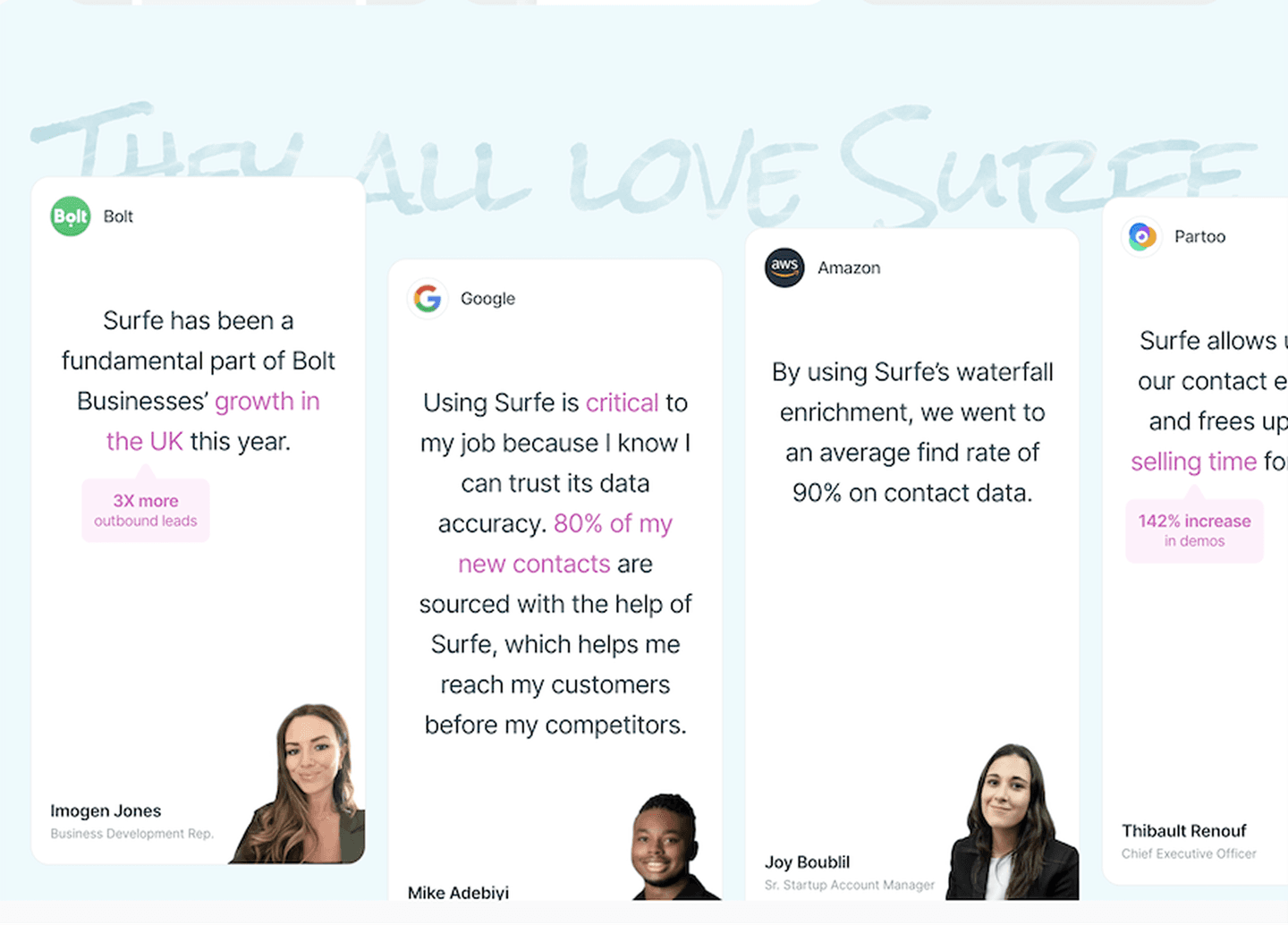 100/100
The lowest-scoring testimonial sections in our library aren't badly designed. Most look clean. They just don't do enough.
A testimonial section scoring 10/100 typically has only 2 conversion best practices: role diversity and keyword highlights. A name, a title, a nice quote. No transformation story, no numbers, no depth.
The most common gap: no before-after story. 64% of all testimonial sections skip it. In the bottom tier, none include one. The quote says "Great tool" but doesn't answer the visitor's real question: "What will change for me?"
Second: no quantified results. 61% of testimonial sections skip concrete numbers entirely. The visitor reads "It saved us so much time" and has no idea whether that means 5 minutes or 5 hours.
Then there's video. 77% of sections don't include it. Video testimonials build more trust than text because they're harder to fake and show real emotion. But they require production effort most teams skip.
The fix isn't redesigning the section. It's going back to your customers and asking better questions. "What was your workflow like before?" and "Can you put a number on it?" turn a generic quote into a conversion asset.
Want to know which best practices your testimonials are missing? Try our landing page analysis →
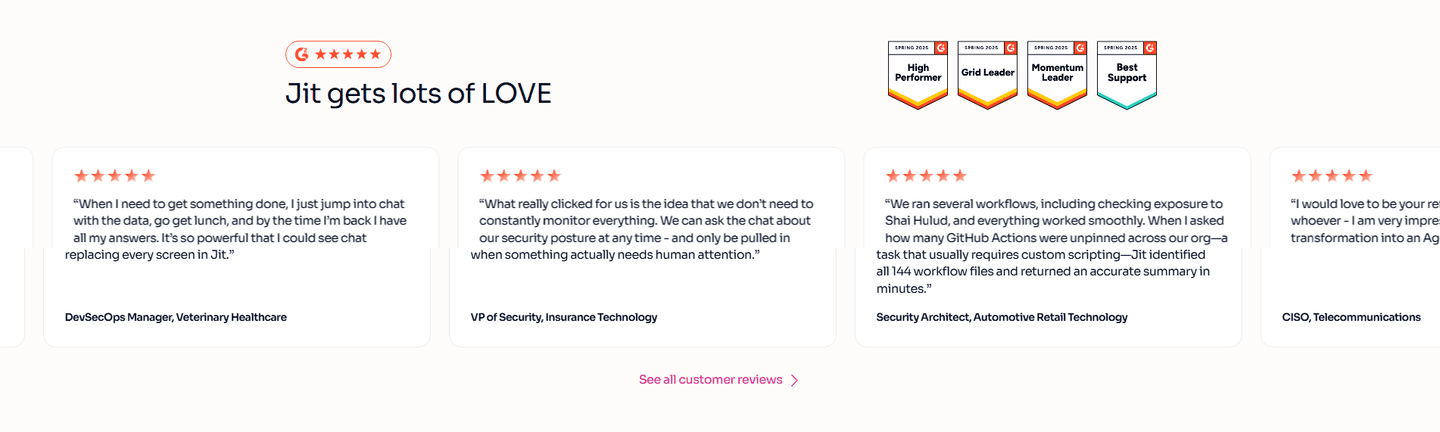 10/100
Curated by
Gabriel Amzallag , Founder, LPA
5 years CRO + SEO at Qonto (2021–2025). After advising 15+ SaaS on their websites (Payfit, Pigment…), the same patterns kept breaking — so I decided to build the source of truth on what works on the web: the intelligence layer every tool, builder, and team uses to ship sites that perform.
See how different industries design their testimonials sections.
Real examples from top SaaS landing pages, scored and analyzed.
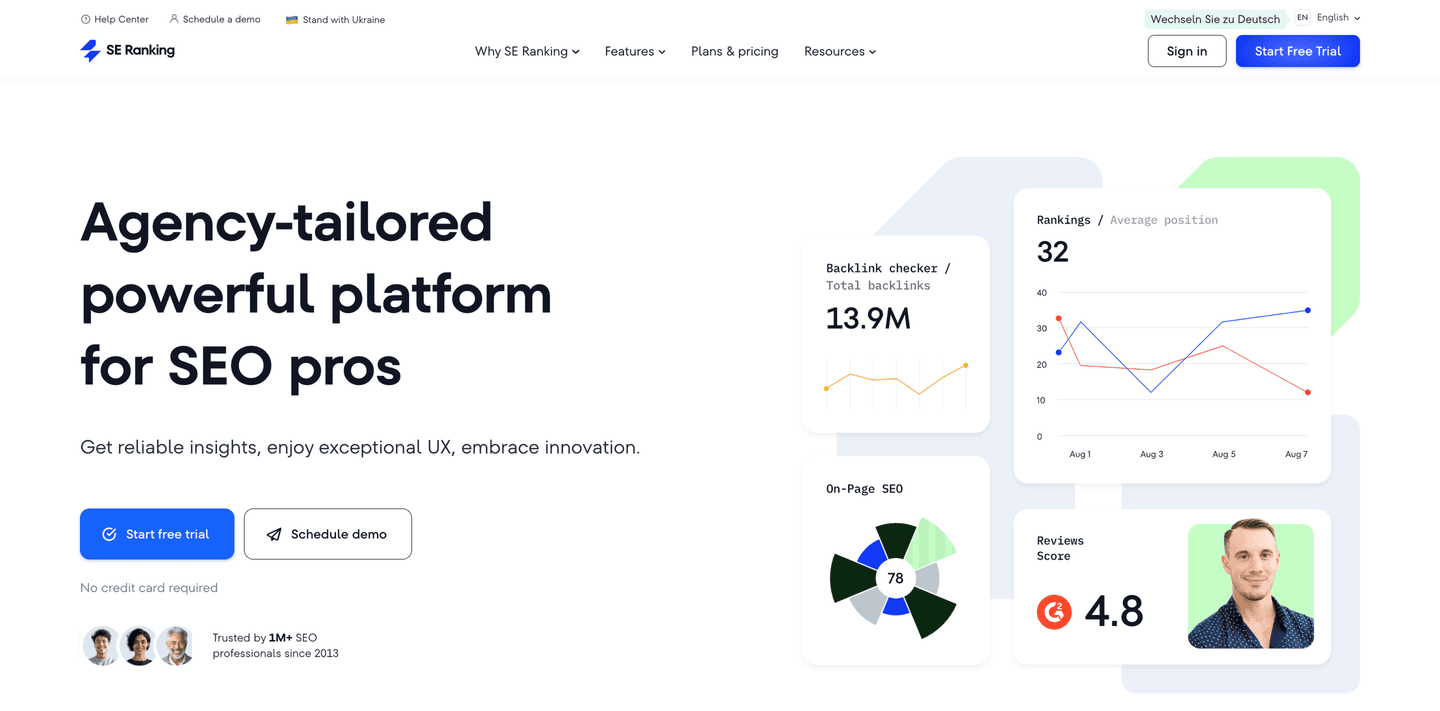
See how top SaaS pages structure their hero sections to convert visitors in the first 5 seconds. Scored examples with conversion analysis.
Browse hero examples
See how top SaaS pages structure their call-to-action sections to drive clicks. Scored examples with conversion analysis.
Browse CTA examples
Logos, certifications, security badges, guarantees. Browse the patterns that build enterprise-grade trust on landing pages.
Browse trust signal examplesPaste your URL. Get a scored analysis of your testimonial section with specific fixes. Free, no signup.
Everything you need to know about testimonial section design, based on our analysis of real SaaS landing pages.
A testimonial section typically holds 3 to 6 quotes. In our library of 223 sections, most best-in-class examples show 3–4 testimonials on screen with the option to scroll or expand for more. One strong testimonial with a before-after story outperforms ten generic "Great product!" quotes. Prioritize depth over volume.
Testimonials are short quotes from customers, usually 1–3 sentences, displayed on a landing page. Case studies are longer, detailed stories (500–2,000 words) covering the challenge, solution, and measurable results. In our data, 53% of best-in-class testimonial sections link out to full case studies. Use testimonials for quick trust. Use case studies for buyers comparing options.
Yes, if you're selling to people who don't know you yet. Landing pages, product pages, pricing pages. The testimonial section answers the visitor's unspoken question: "Has anyone like me actually used this?" The exception: internal tools or pages where users already trust the brand.
Skip "what do you think of us?" That yields compliments, not stories. Run a 15-minute interview instead. Ask: "What did you try before?" "What changed after switching?" "Can you put a number on the result?" Record, transcribe, pull the strongest 2-3 sentences, and send back for approval. The customer gets a polished quote; you get the before-after narrative and quantified result that top-scoring sections always have.
Every 6-12 months, or whenever a testimonial references a deprecated feature, old pricing tier, or a customer who's churned. Stale testimonials hurt more than missing ones. Visitors notice the product mismatch. A good rule: audit testimonials when you ship a major release, change pricing, or hit a new customer milestone. Rotating in 1-2 fresh quotes per quarter keeps the section current without overhauling it.
Run your page through our landing page analyzer. You'll get a scored breakdown of your testimonial section across 6 conversion best practices (role diversity, quantified results, case study depth, video, keyword highlights, before-after story) with specific fixes prioritized by impact.