Trust|
Veridas Cybersecurity Trust Design
14/100
Hand-picked 122 trust sections, scored across conversion best practices. See what the best do differently.
Showing 64–84 of 122 examples




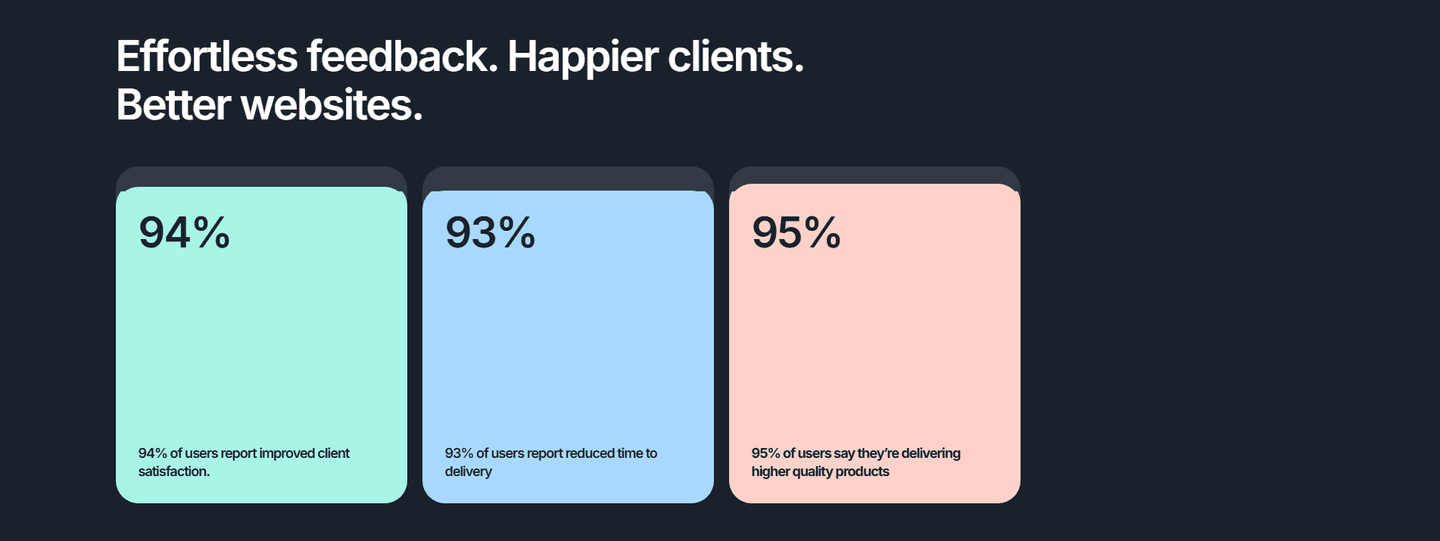


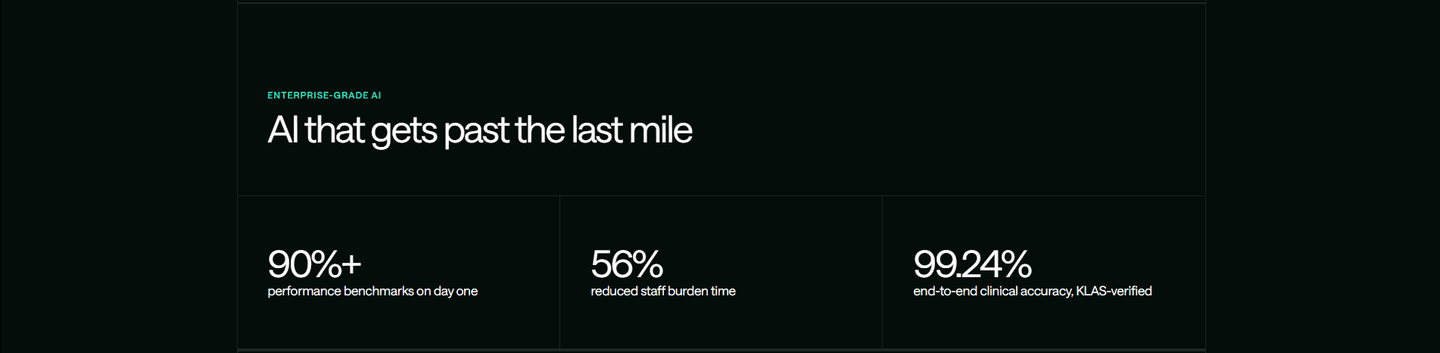

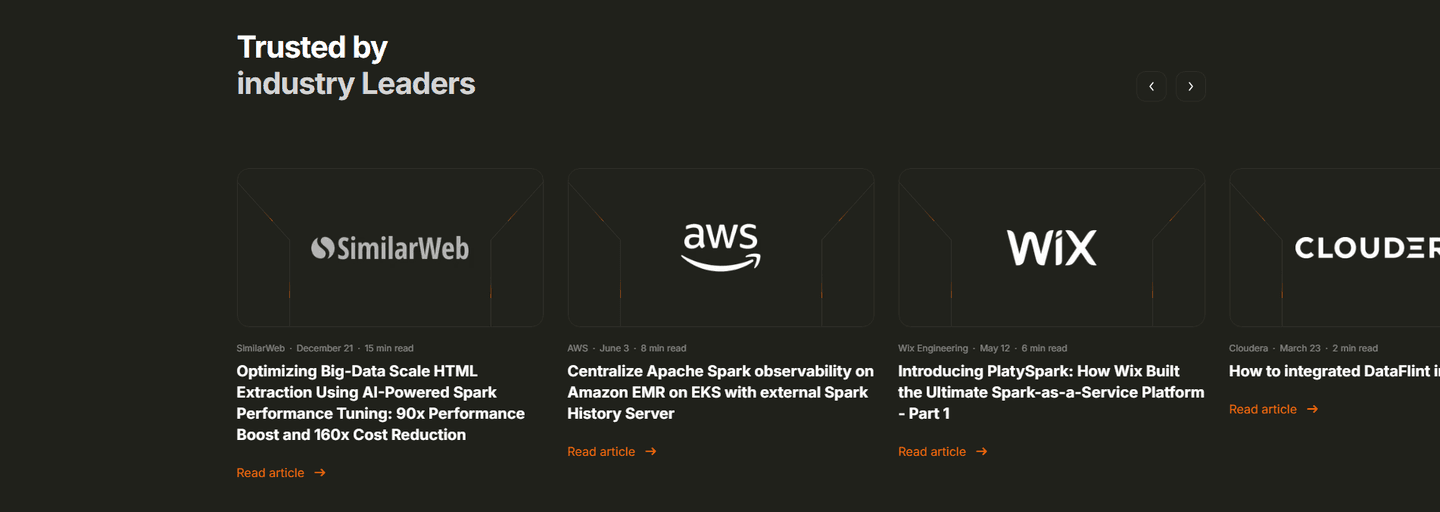
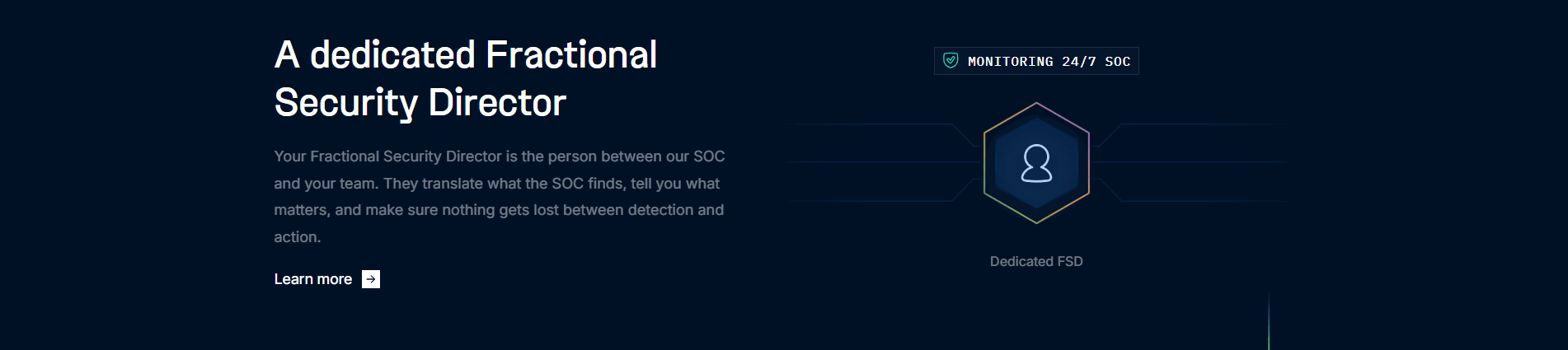
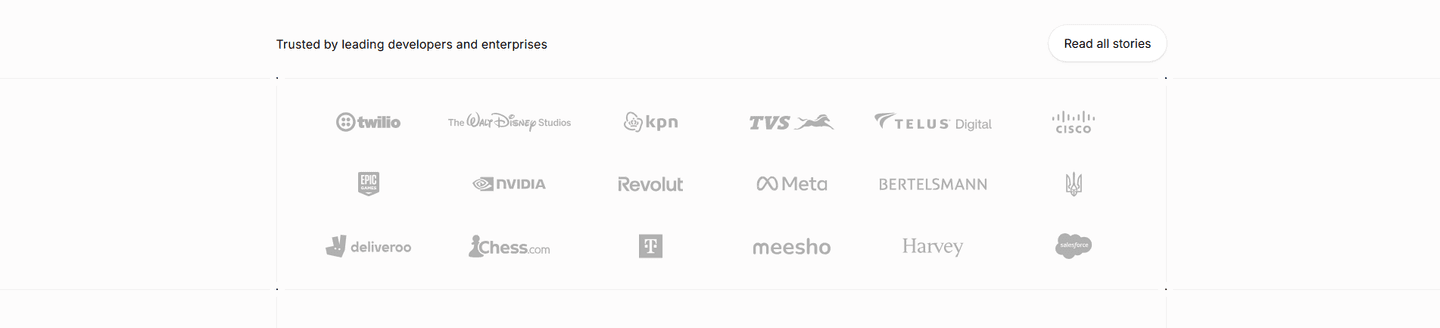

Every trust section is scored across 6 conversion best practices. Copy the best practice stack, not the design. See what converts and why.
Hand-picked from 350+ companies and analyzed by our AI conversion agent. Not a random dump of logo bars. Every entry earns its spot.
Found a trust section you admire? Run yours through the same scoring engine. See where you stand on the same best practices, and what to fix first.
We scored 122 trust sections across conversion best practices. The table below shows how widely each element is adopted. The lower the number, the bigger your edge by adding it.
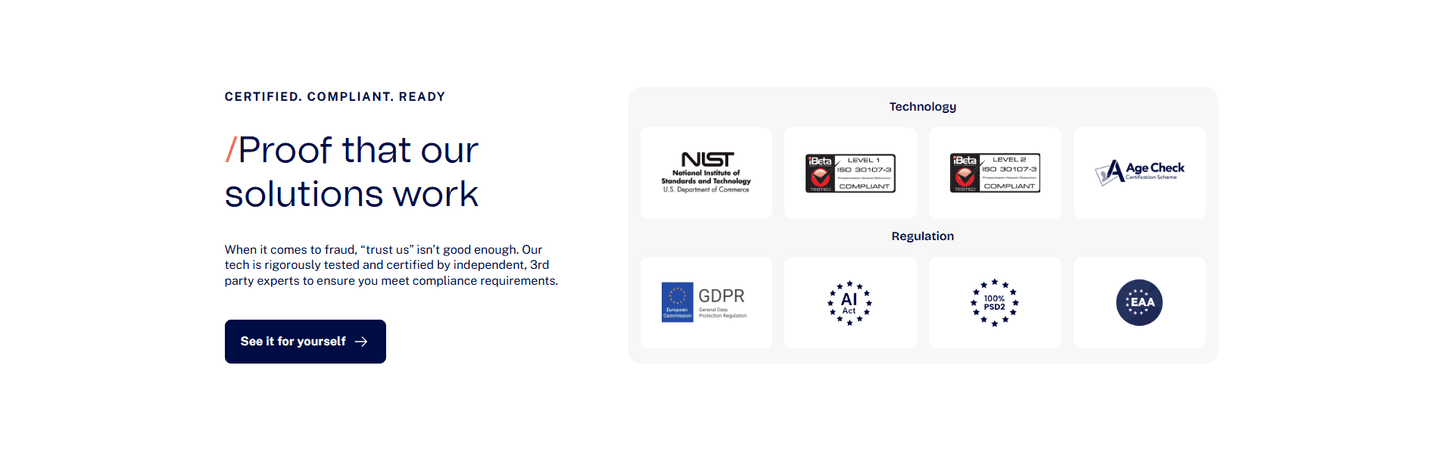
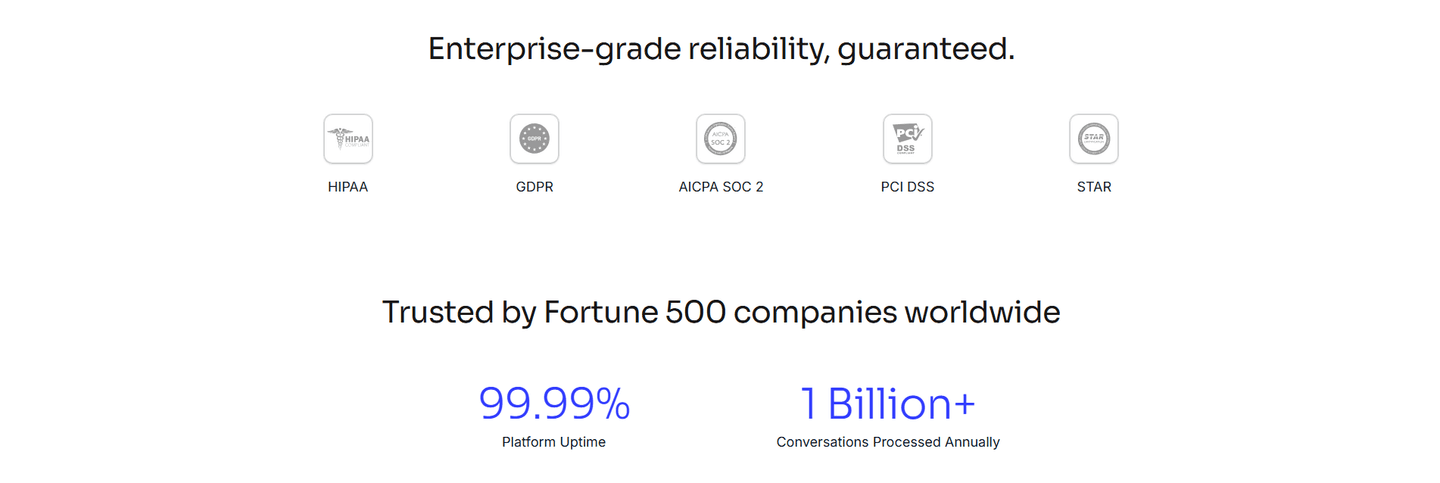
SOC2, GDPR, ISO badges visible. Enterprise buyers check for these before anything else
Each testimonial or logo links to a full customer story. Proof has depth, not just surface
Multiple proof types combined in one section: logos + stats + quotes + badges
"Trusted by Stripe, Notion, Zendesk." Recognizable brand logos front and center
"10,000+ teams," "4.8/5 rating," "99.9% uptime." Specific numbers, not vague claims
| Element | What it means | Use it | Type |
|---|---|---|---|
| Security compliance | SOC2, GDPR, ISO badges visible. Enterprise buyers check for these before anything else | 8% | Big opportunity |
| Linked case studies | Each testimonial or logo links to a full customer story. Proof has depth, not just surface | 28% | Big opportunity |
| Proof diversity | Multiple proof types combined in one section: logos + stats + quotes + badges | 29% | Big opportunity |
| Logo authority | "Trusted by Stripe, Notion, Zendesk." Recognizable brand logos front and center | 61% | Common |
| Quantified proof | "10,000+ teams," "4.8/5 rating," "99.9% uptime." Specific numbers, not vague claims | 77% | Common |
Best-in-class trust sections are more than twice as likely to link to full case studies (64% vs 28%). That gap is the biggest in the data. A logo bar with "Read their story" links outperforms a logo bar alone every time.
Quantified proof is nearly universal among the best: 96% include at least one specific number. When visitors see "10,000+ teams use this" next to a logo they recognize, both signals reinforce each other.
Across 122 scored trust sections, here's how scores break down. Most land between 0 and 59.
74% of trust sections score under 60. Only 3% break 80. The bar is low — adding 2-3 proof layers puts you in the top 25%.
Our AI conversion agent evaluates every trust section against a weighted checklist that spans three dimensions. Each best practice gets a pass or fail based on the actual page content and screenshot.
Not every best practice carries the same weight. Linked case studies and quantified proof pull the score up more because in our dataset, trust sections with depth of proof convert better than trust sections with breadth alone.
Sections flagged best-in-class are hand-picked by our team from the highest-scoring sections. A high score gets you on the list. Best-in-class means the logos, numbers, and case study links all work together.
Interactive quiz
Do you show specific numbers, not vague claims?
"10,000+ teams," "4.8/5 rating," "99.9% uptime"
32 trust sections in our library are flagged best-in-class. They score higher because they stack proof differently than the average trust section.
96% include quantified proof, compared to 77% overall. But the real difference is what they do with that proof. They pair the number with a named company and a link to the full story.
Lemlist, Zendesk, Notion, Calendly, Ahrefs all do this. Three or four conversion best practices stacked in a single trust section. That is what a score of 50-75 looks like.
 100/100
The lowest-scoring trust sections in our library are not ugly. Most of them look clean. They just do one thing and stop.
A trust section scoring 10/100 typically has a single conversion best practice: either a logo bar or a stat. Never both. No case study links, no compliance badges, no layered proof.
The most common gap: no linked case studies. 72% of all trust sections skip the link from logo or quote to full story. In the bottom tier, it is universal. Visitors see the logos, but have nowhere to go deeper. The trust signal stays shallow.
Second: no proof diversity. 71% of all trust sections rely on one proof type. A standalone logo bar, or a standalone stat. No combination. The visitor gets one reason to believe, when they need two or more.
Then there is security compliance. 92% of all trust sections skip SOC2, GDPR, or ISO badges entirely. For enterprise buyers, this is a dealbreaker before they even read the copy.
The fix is not redesigning the section. It is adding depth. Link each logo to a case study. Add one quantified stat next to the logo bar. Drop in a SOC2 badge if you have it. The gap between a 10 and a 50 is usually two missing proof layers, not a new layout.
Want to know which trust signals your page is missing? Try our landing page analyzer →
 0/100
0/100
Curated by
Gabriel Amzallag , Founder, LPA
5 years CRO + SEO at Qonto (2021–2025). After advising 15+ SaaS on their websites (Payfit, Pigment…), the same patterns kept breaking — so I decided to build the source of truth on what works on the web: the intelligence layer every tool, builder, and team uses to ship sites that perform.
See how different industries design their trust sections.
Real examples from top SaaS landing pages, scored and analyzed.
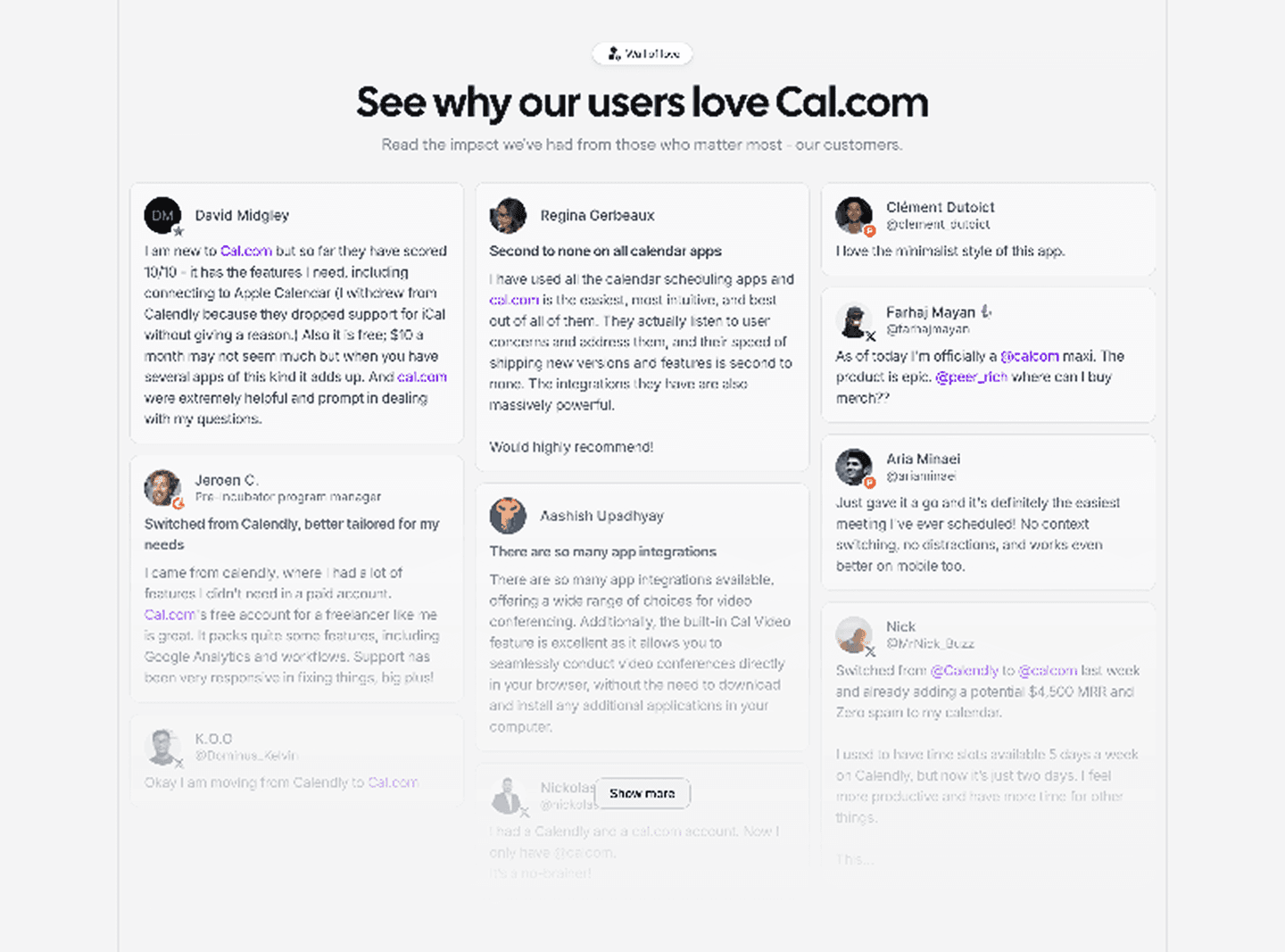
Logos, quotes, case studies, video testimonials. Browse the patterns that build trust and reduce hesitation.
Browse testimonials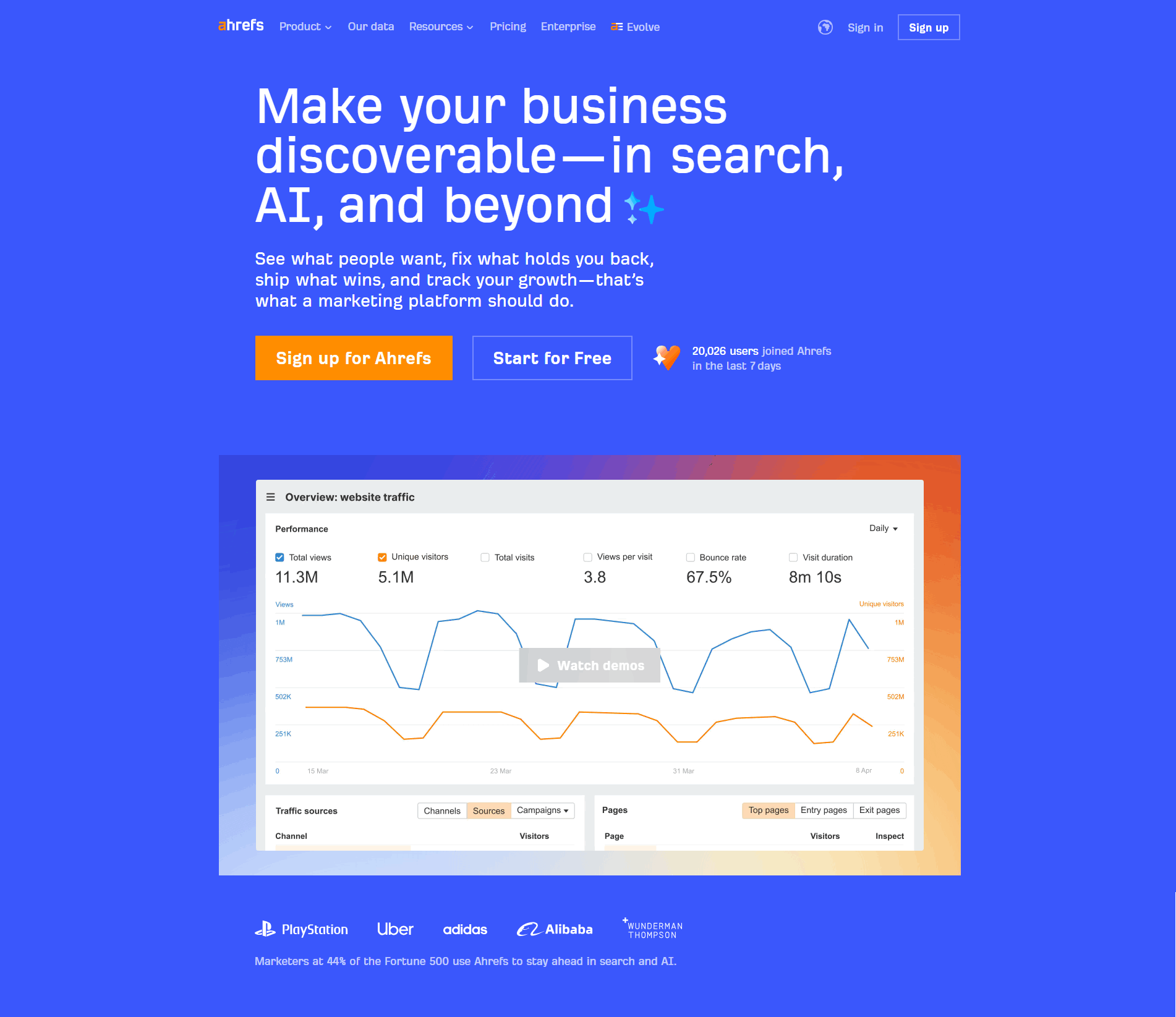
The first thing visitors see. Headline, subheadline, CTA, social proof. Scored examples from top SaaS pages.
Browse hero sections
See how top SaaS pages structure their call-to-action sections to drive clicks. Scored examples with conversion analysis.
Browse CTA examplesPaste your URL. Get a scored analysis of your trust section with specific fixes. Free, no signup.
Everything you need to know about trust section design, based on our analysis of real SaaS landing pages.
A trust section typically runs 200-400px tall on desktop. Enough room for a logo bar, one stat line, and a row of badges or quotes. Don't stretch it into a full testimonials section. The goal is a concentrated proof cluster that reinforces the sections around it. In our library, the highest-scoring trust sections are compact: 77% lead with quantified proof in a single visible block.
A trust section aggregates multiple proof types in one place: logos, stats, compliance badges, case study links. A testimonials section focuses on individual customer quotes or stories in depth. They overlap, but a trust section is wider and shallower. 29% of trust sections in our library combine three or more proof types, while testimonials sections typically feature one format (quotes or videos).
Yes, if your page sells something. Landing pages, pricing pages, product pages, signup flows. A trust section gives visitors evidence that other people and companies already use and endorse what you are offering. The exception: internal tools, documentation, and pages where trust is already established through the login wall.
Check your contract before you ship. Most SaaS agreements include a marketing clause that lets you display a customer's logo, but enterprise contracts often require written opt-in. A safe rule: ask every new customer during onboarding, get a yes in writing (email is fine), and keep a shared list of who's approved. If a logo links to a case study, get sign-off on the quote and metrics separately. When in doubt, email the customer success contact before publishing.
Right after the hero, or immediately below the first CTA. Two spots, same job: reinforce the claim before the visitor scrolls away. A logo bar under the hero catches skimmers in the first three seconds. A stat-and-badge cluster after the CTA reassures anyone who almost clicked. Avoid burying it near the footer. By the time a visitor reaches the bottom, they've already decided. The trust section has to land in the first screen or two.
Run your page through our landing page audit. You'll get a scored breakdown of your trust section across 6 conversion best practices (logo authority, quantified proof, security compliance, guarantee/risk reversal, proof diversity, linked case studies) with specific fixes prioritized by impact.