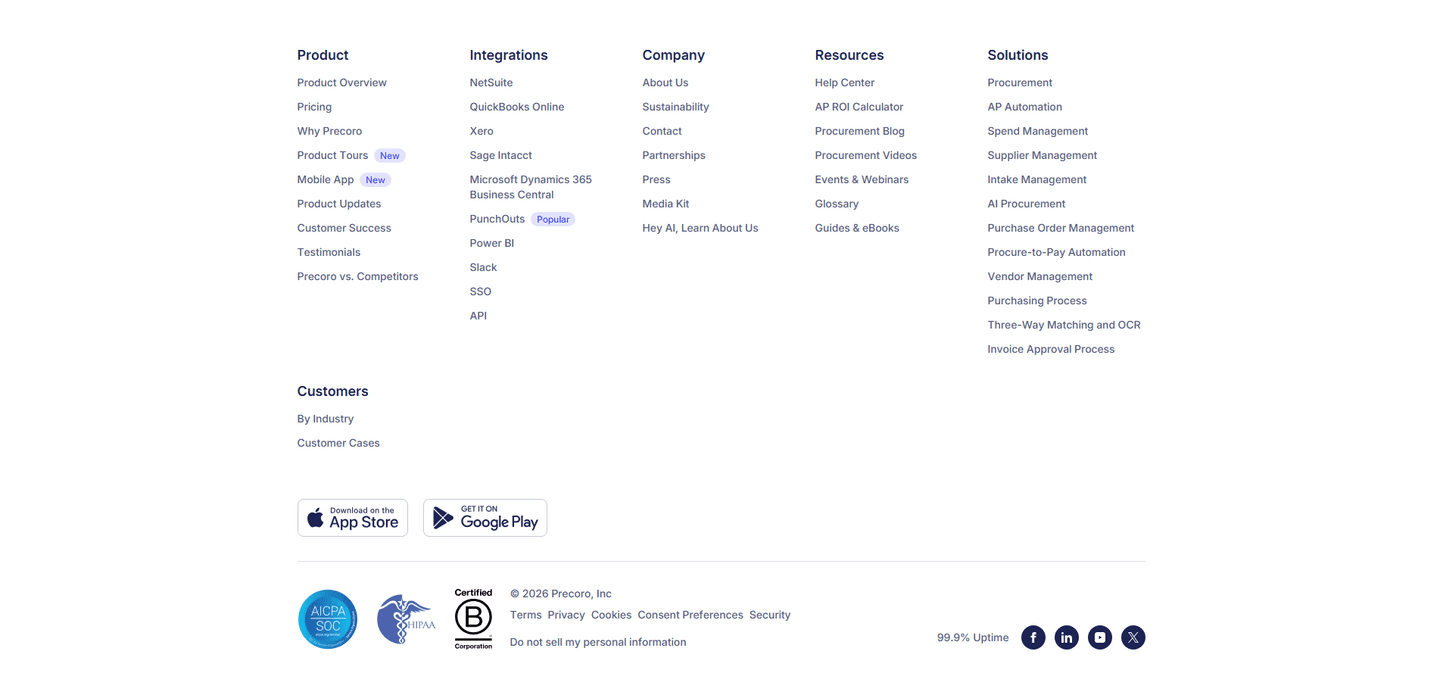
Footer|
Precoro ERP Footer Design
80/100
176 footer sections scored across conversion best practices. See how the best SaaS companies turn their footer into a conversion asset.
Showing 22–42 of 176 examples
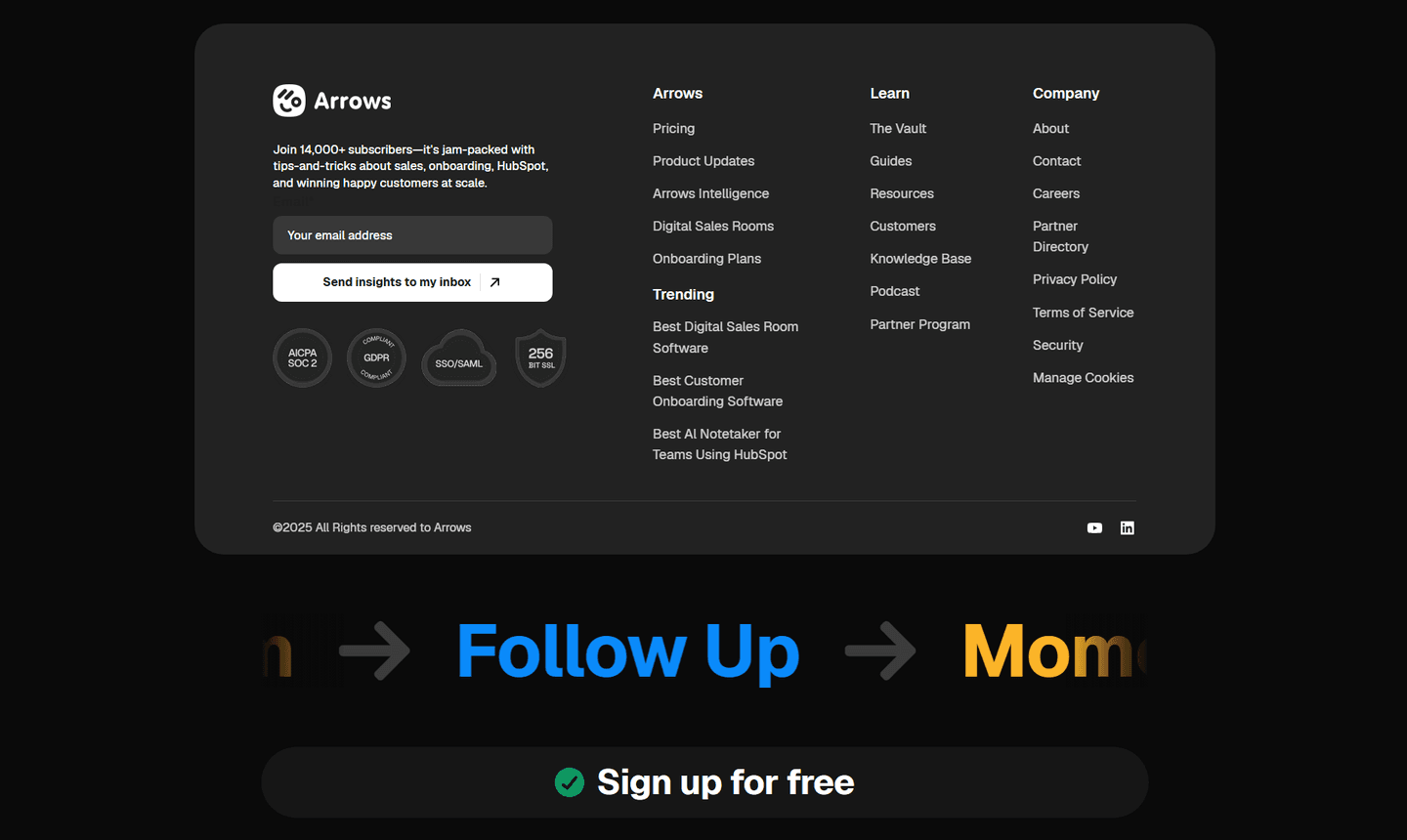
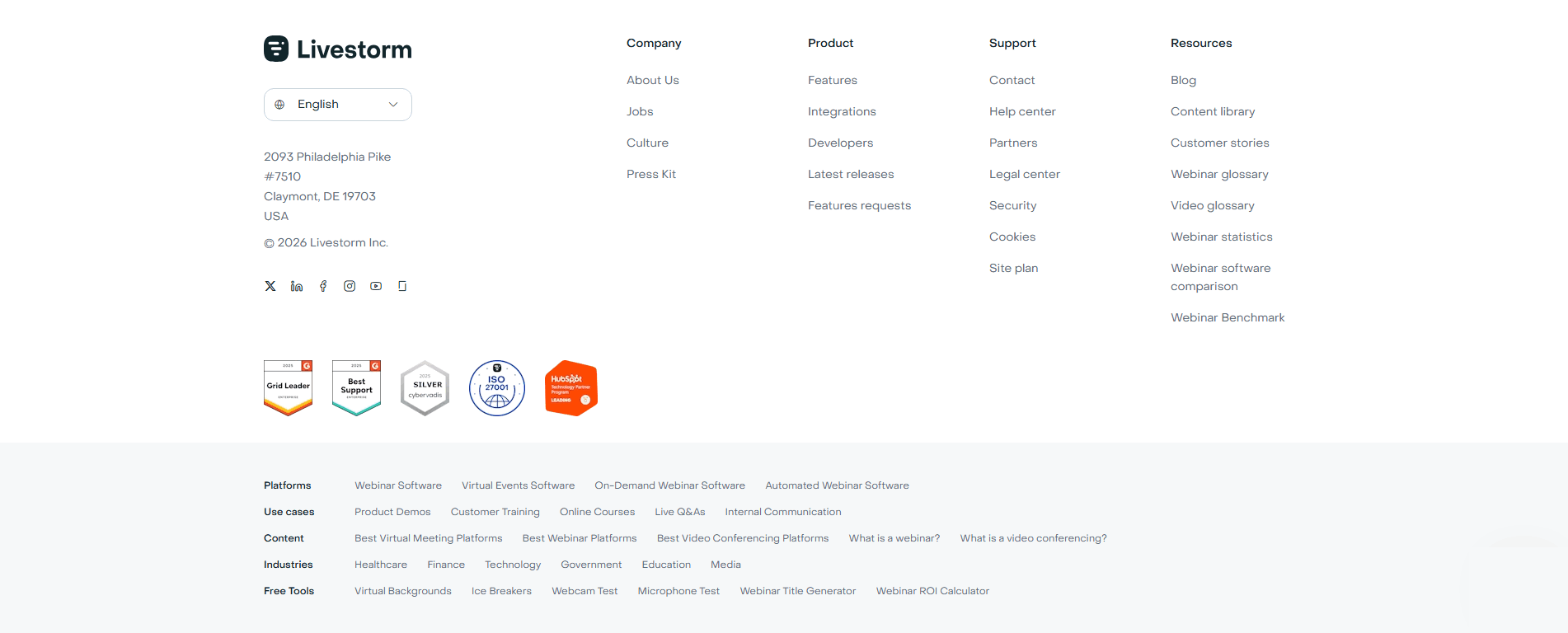
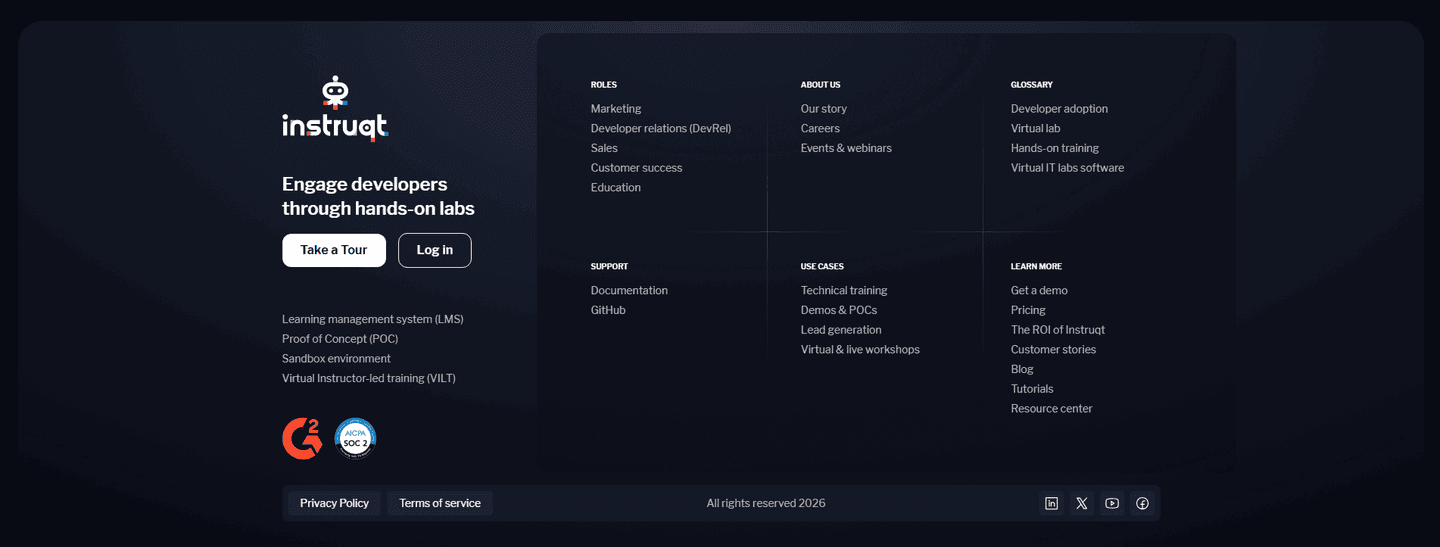
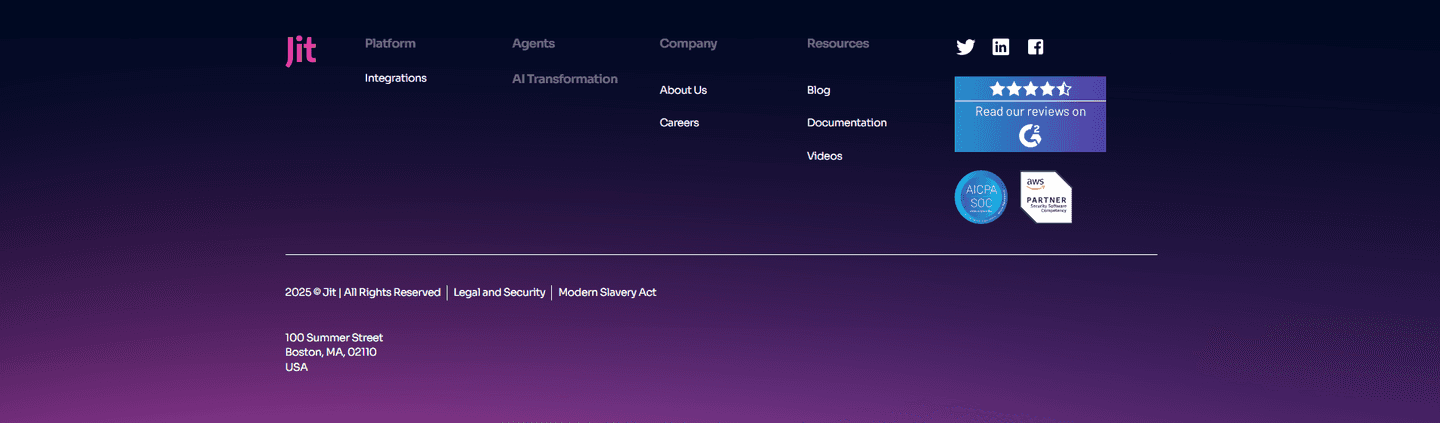
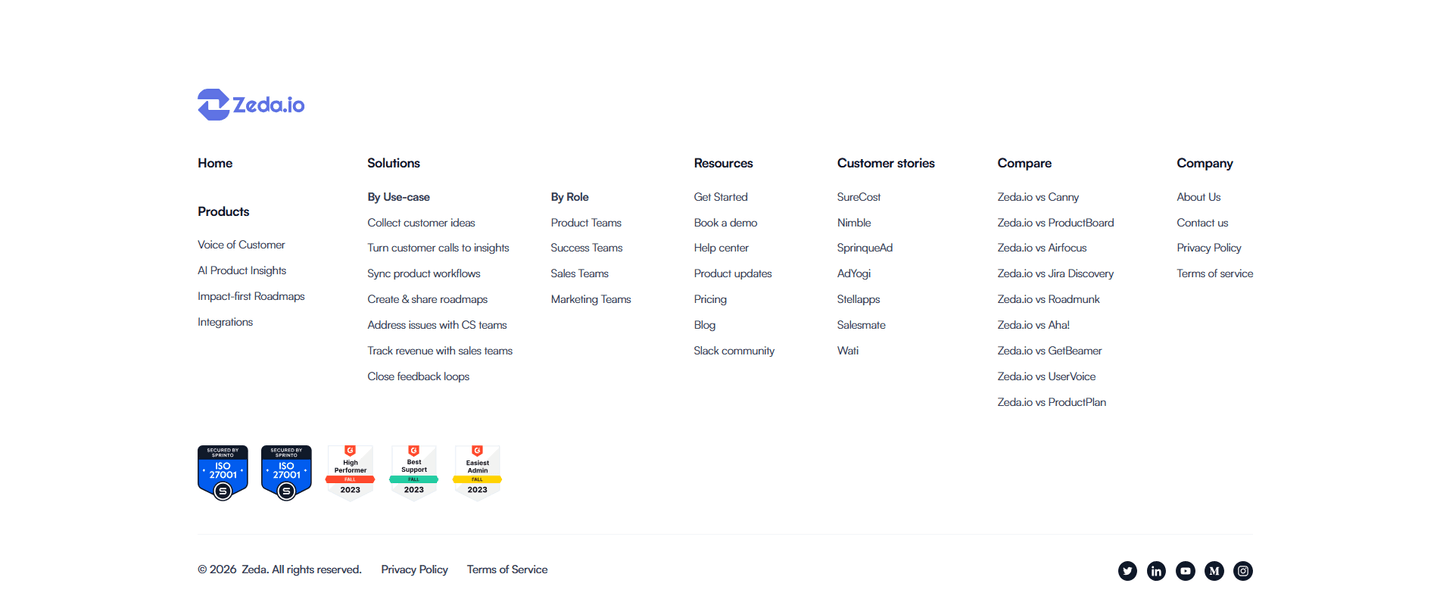
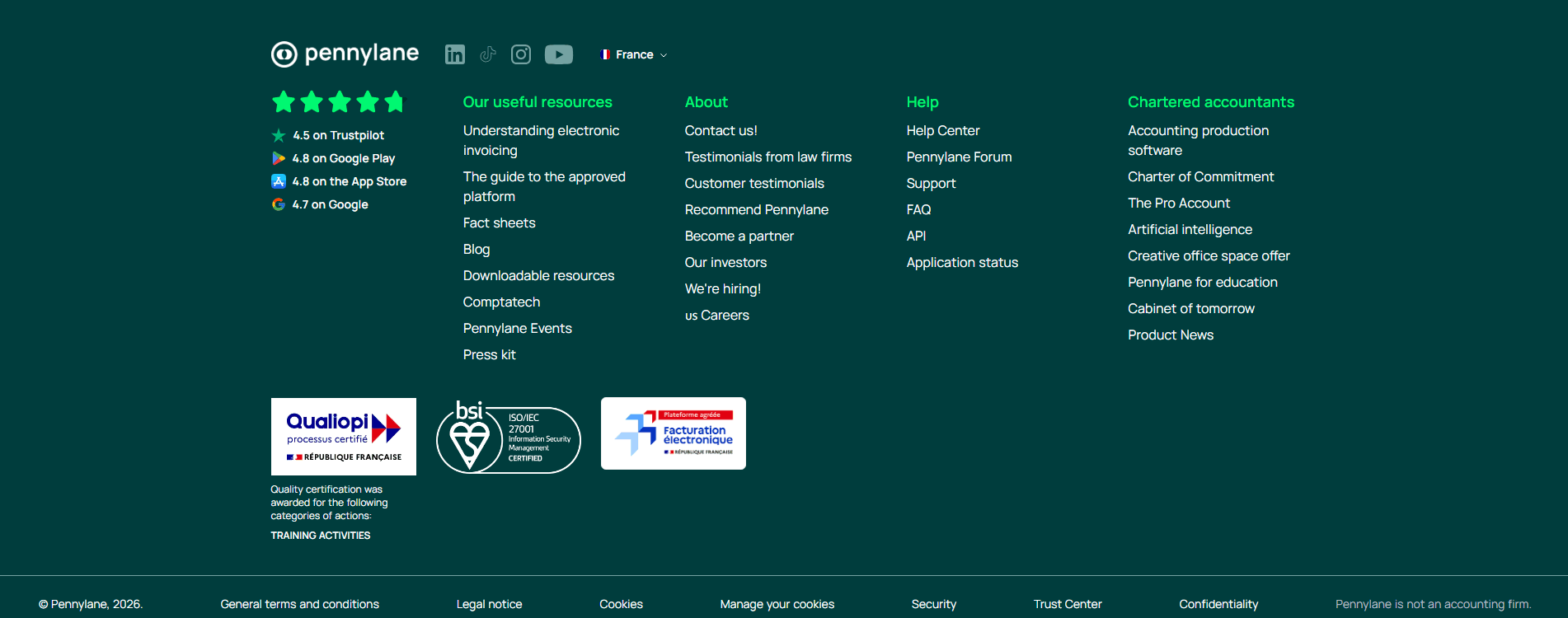
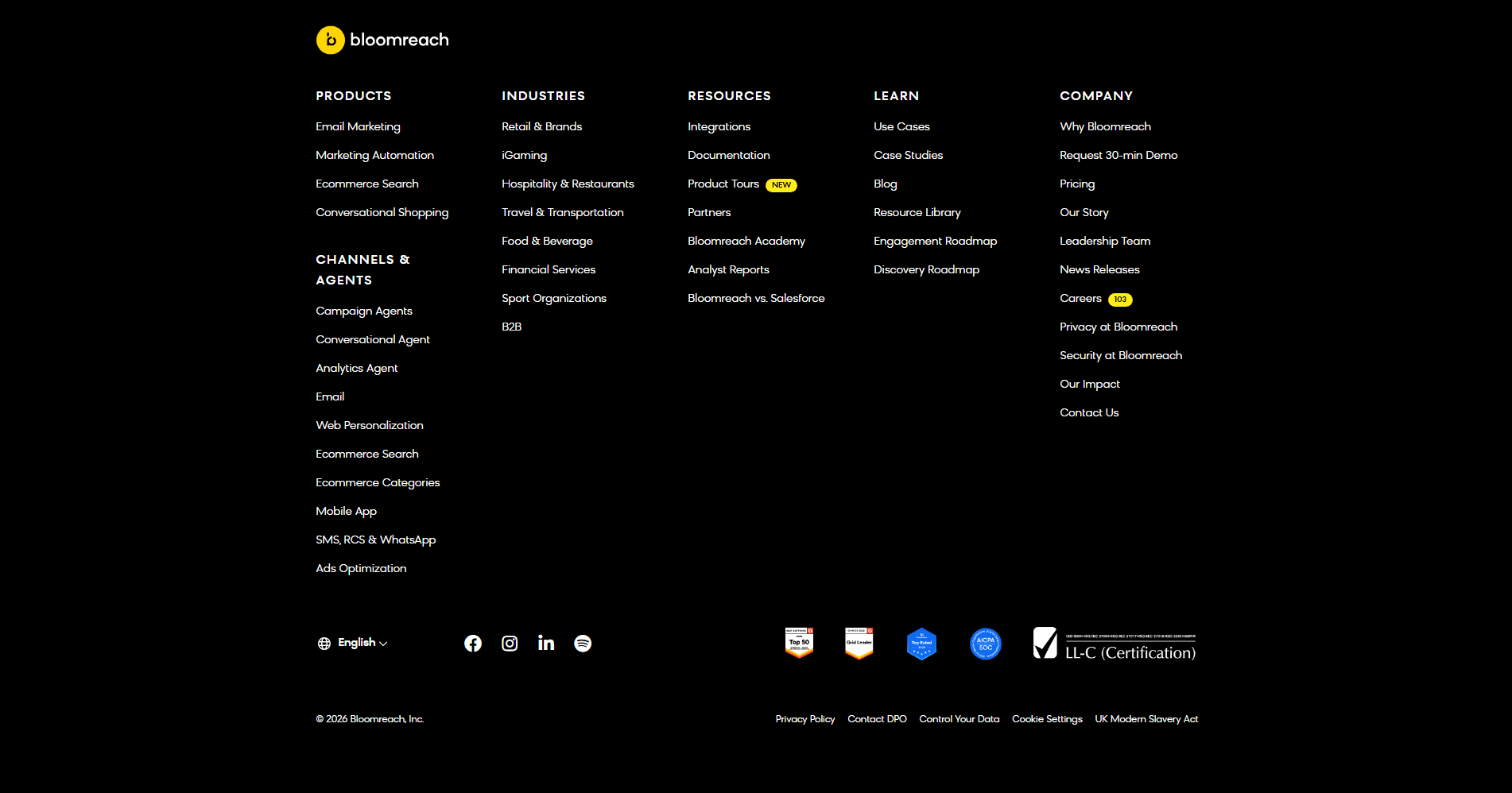
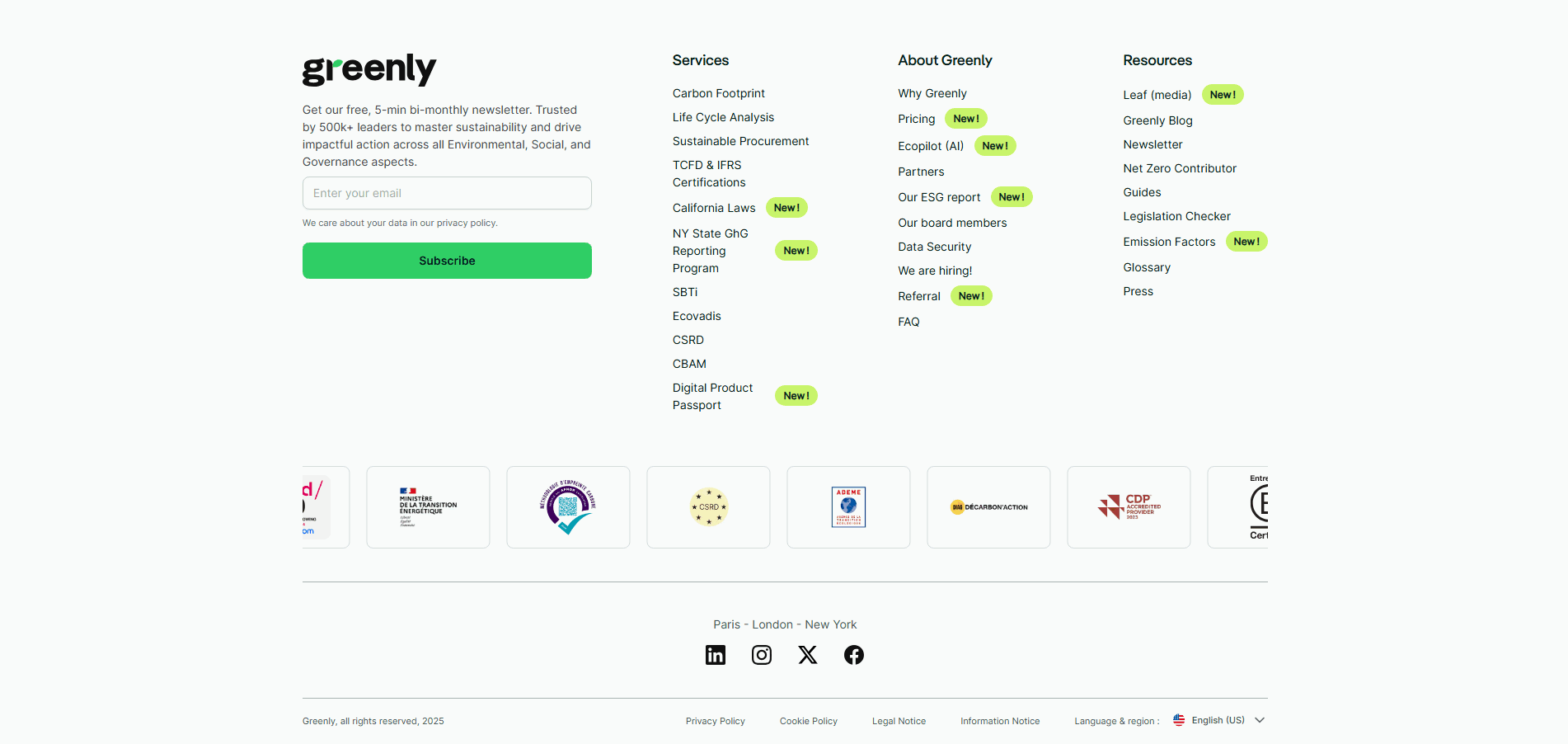
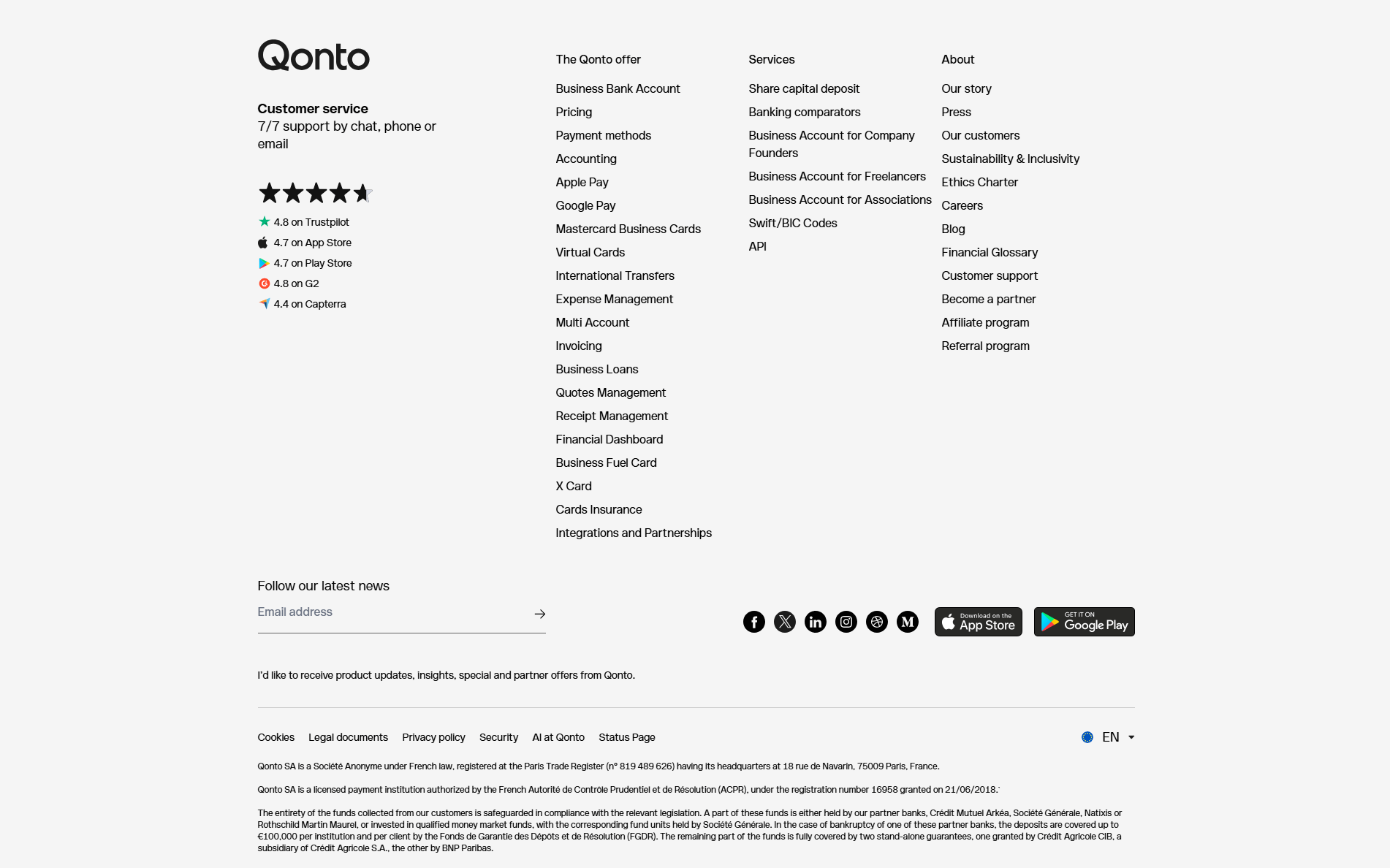
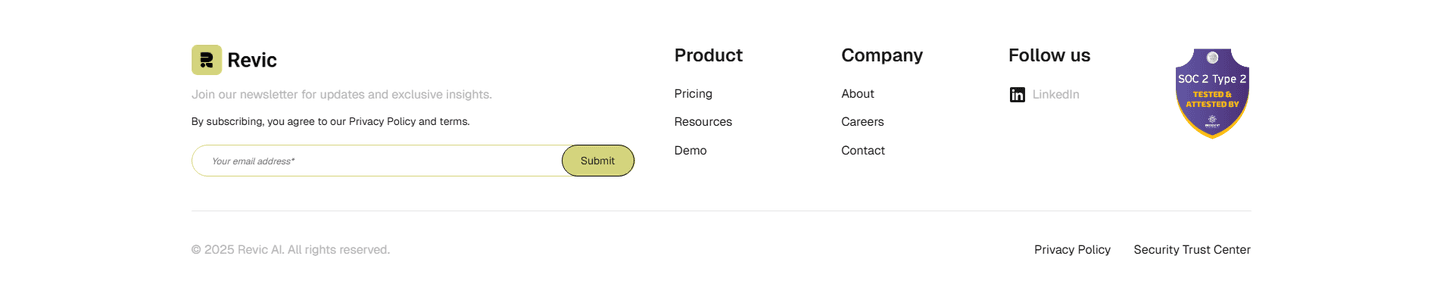
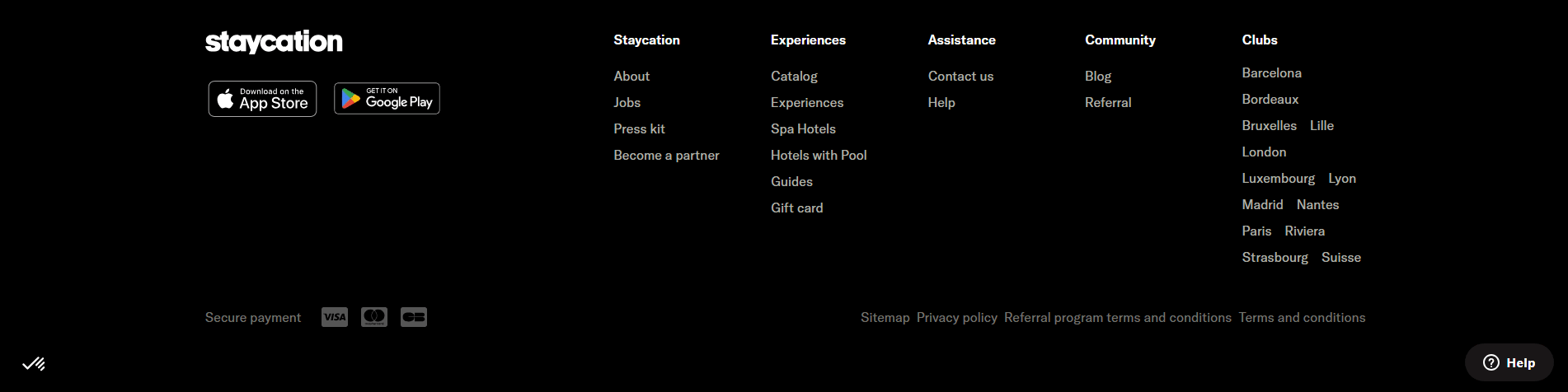
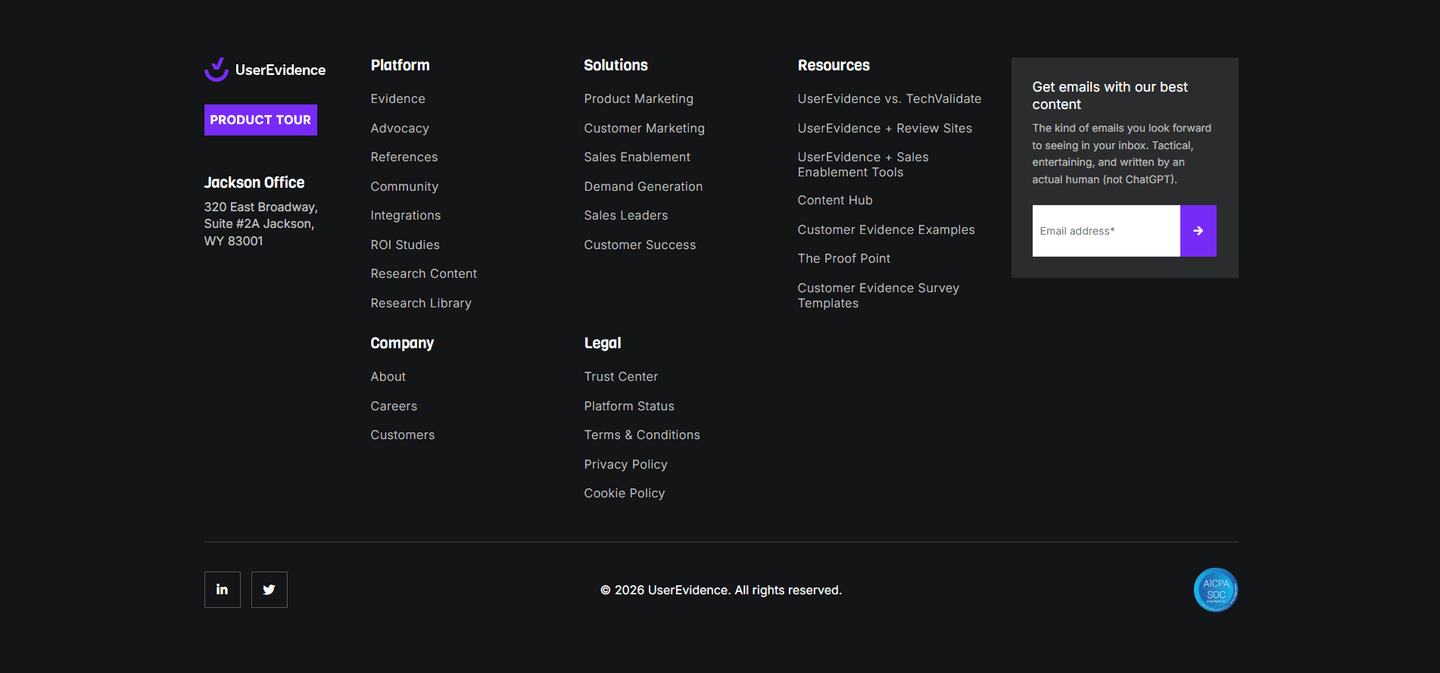
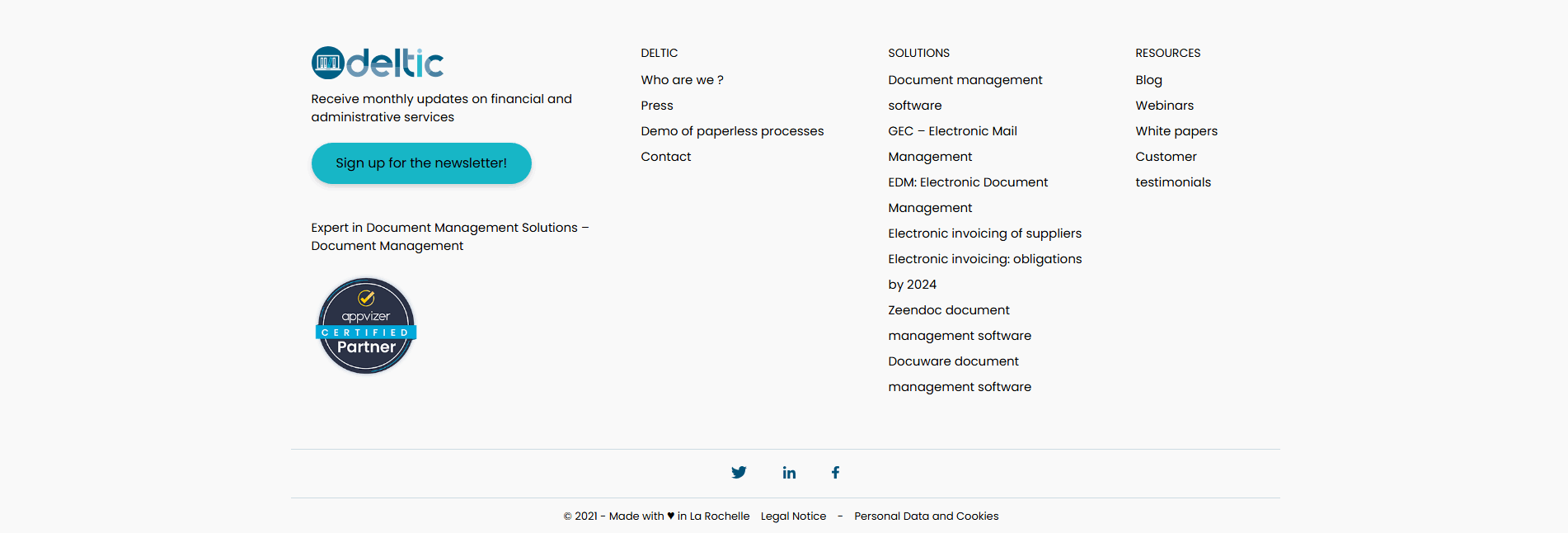
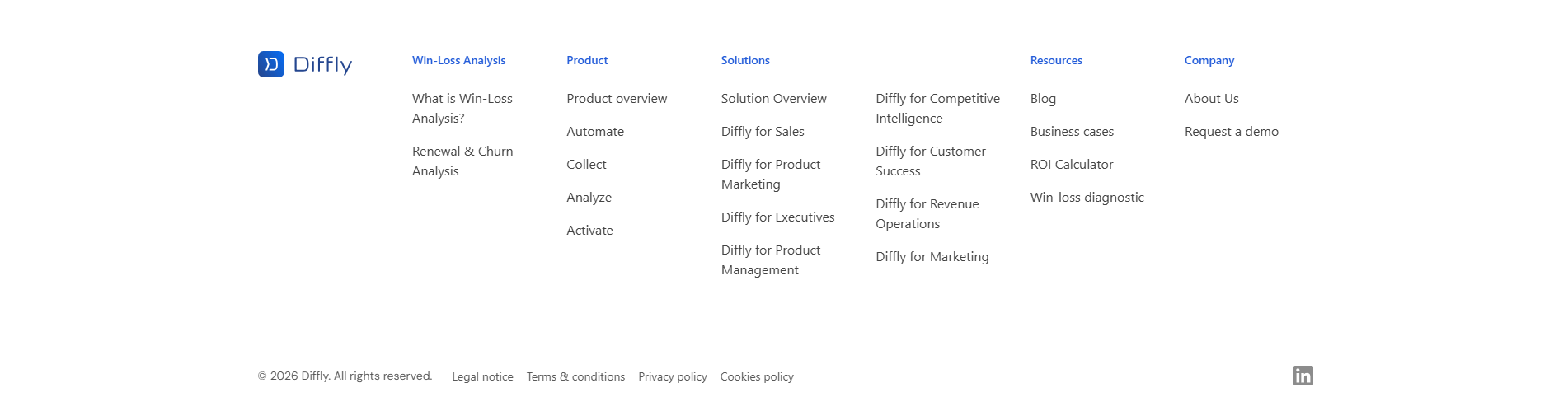
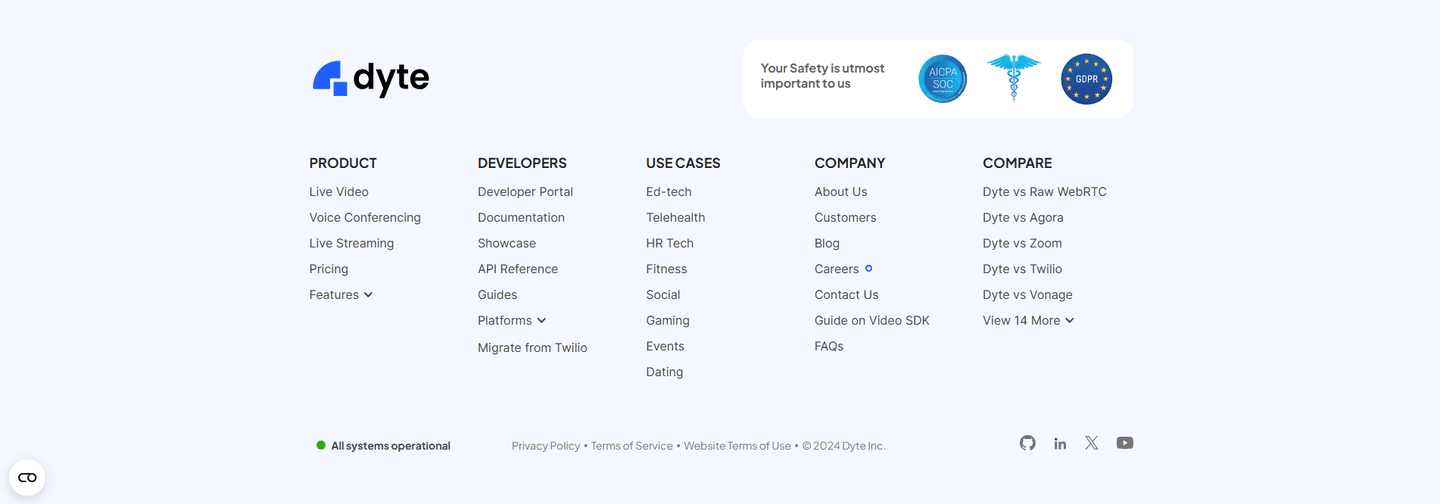
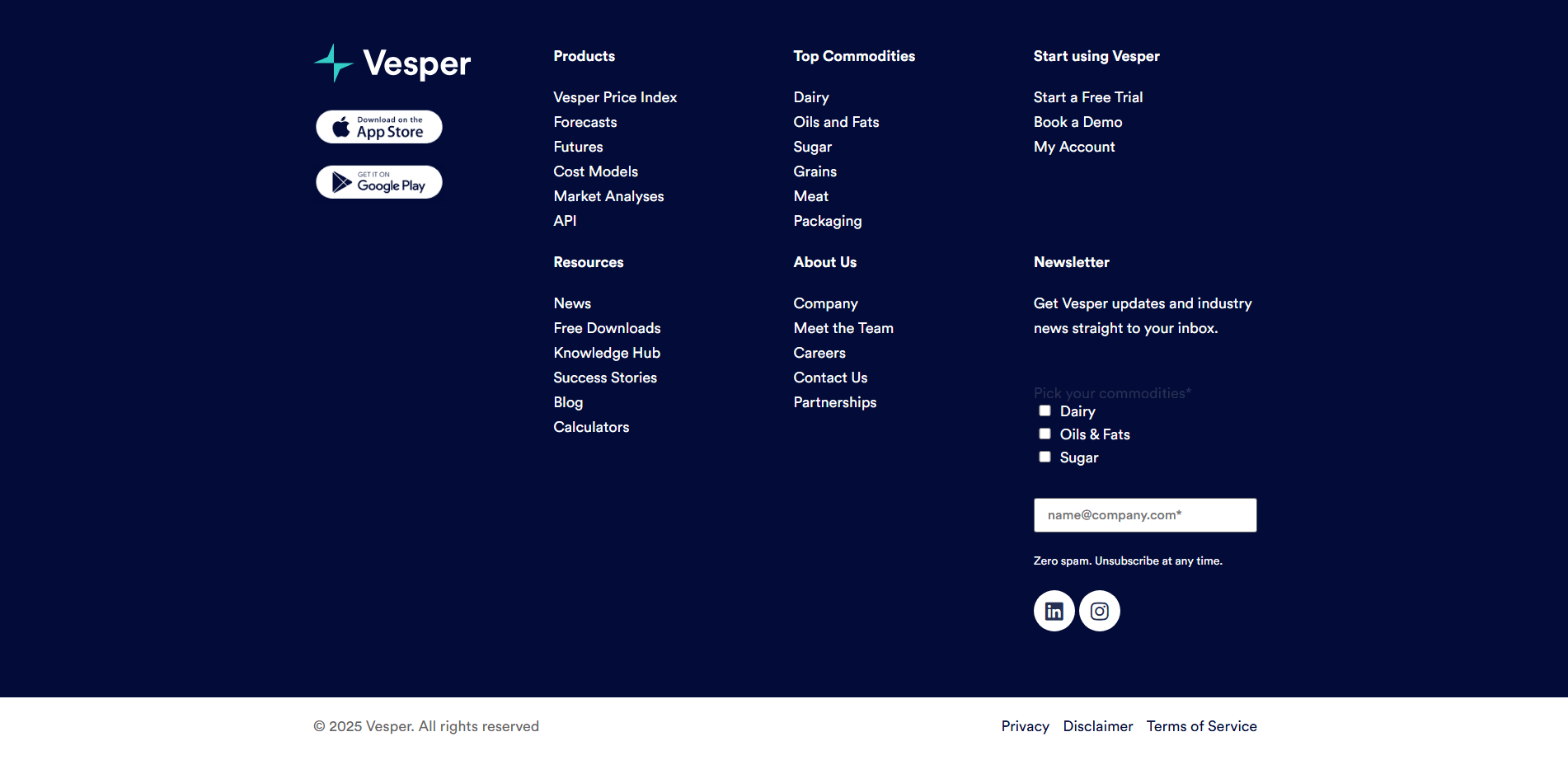

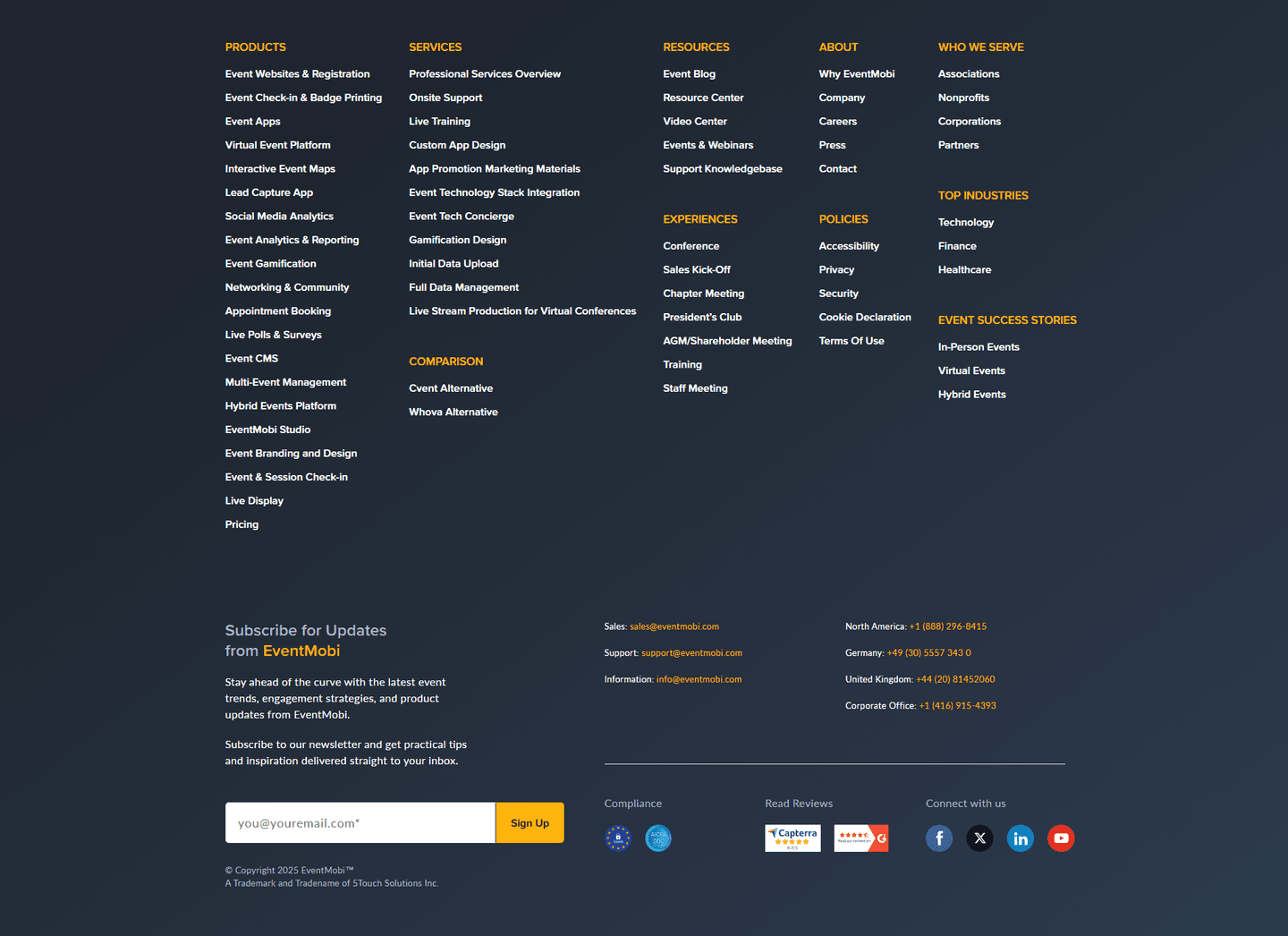
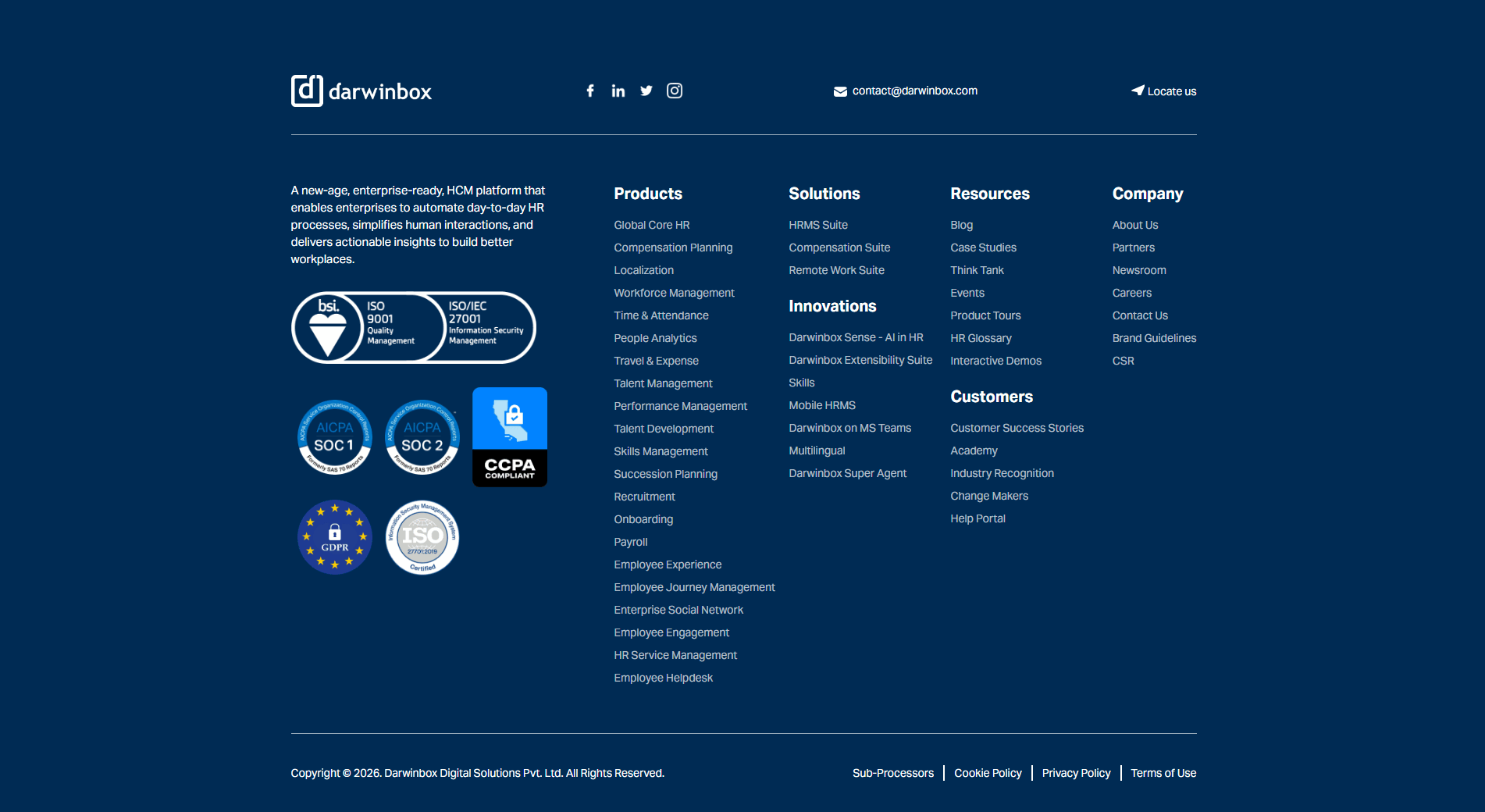
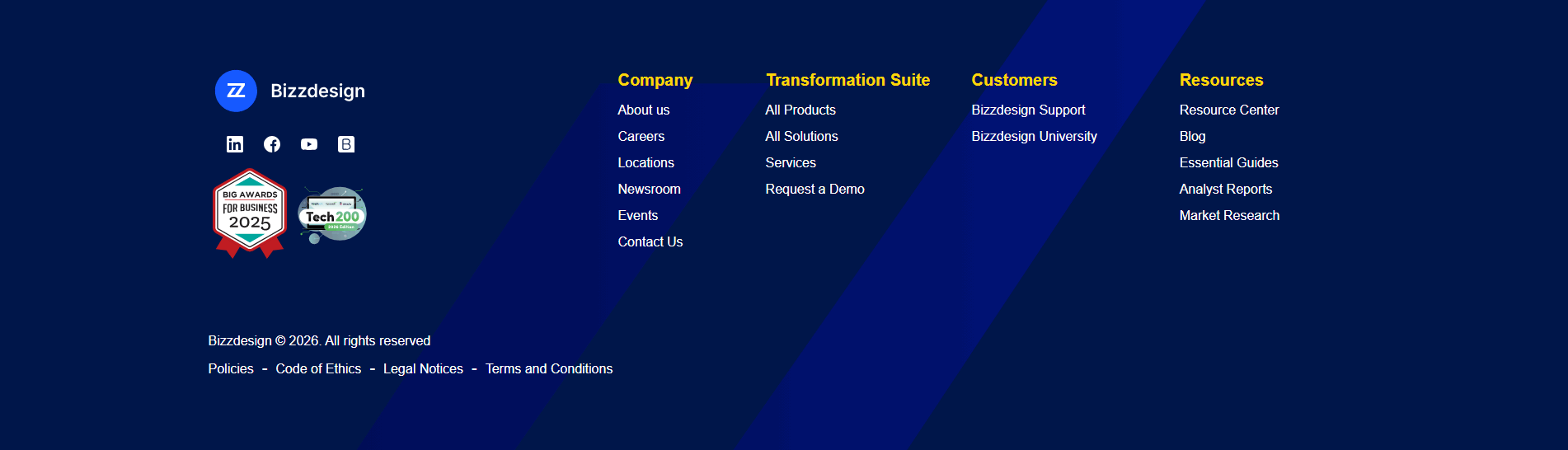
Every footer is scored across 5 conversion best practices. Copy the best practice stack, not the design. See what converts and why.
Hand-picked from 350+ companies and analyzed by our AI conversion agent. Not a random dump of footers. Every entry earns its spot.
Found a footer you admire? Run yours through the same scoring engine. See where you stand on the same best practices, and what to fix first.
We scored 176 footer sections across conversion best practices. The table below shows how widely each element is adopted. The lower the number, the bigger your edge by adding it.
Badges, certifications, or partner logos repeated at the bottom of the page. Last-chance credibility before the visitor leaves
Award badges, rating stars, or "trusted by X teams." A credibility echo at the bottom of the page
Newsletter signup, social follow, or resource download. Captures visitors who aren't ready to buy
Privacy policy, terms, GDPR, cookie links. Compliance confidence for cautious buyers
Links organized in clear columns: Product, Resources, Company, Legal. Structured navigation that helps visitors find what they missed
| Element | What it means | Use it | Type |
|---|---|---|---|
| Trust reinforcement | Badges, certifications, or partner logos repeated at the bottom of the page. Last-chance credibility before the visitor leaves | 29% | Big opportunity |
| Social proof persistence | Award badges, rating stars, or "trusted by X teams." A credibility echo at the bottom of the page | 34% | Opportunity |
| Secondary conversion | Newsletter signup, social follow, or resource download. Captures visitors who aren't ready to buy | 52% | Common |
| Legal transparency | Privacy policy, terms, GDPR, cookie links. Compliance confidence for cautious buyers | 87% | Table stakes |
| Categorized links | Links organized in clear columns: Product, Resources, Company, Legal. Structured navigation that helps visitors find what they missed | 89% | Table stakes |
Every footer flagged best-in-class has all 5 best practices. The average? Only 29% reinforce trust and 34% have persistent social proof. That's the biggest gap in the data.
Trust reinforcement is the rarest best practice: only 29% of footers use it. When it's there (a SOC2 badge, a partner logo, a certification), it reminds the visitor the company is legit right before they close the tab.
Across 176 scored footer sections, here's how scores break down. Most land between 60 and 69.
59% of footers score between 60 and 69. 21% break 80. The bar is higher than for heroes — footers are more standardized, so the gap comes down to the details.
Our AI conversion agent evaluates every footer against a weighted checklist that spans two dimensions. Each best practice gets a pass or fail based on the actual page content and screenshot.
Not every best practice carries the same weight. Secondary conversion and trust reinforcement pull the score up more because in our dataset, footers with those two elements are consistently top-scoring, even when the navigation isn't perfect.
Sections flagged best-in-class are hand-picked by our team from the highest-scoring footers. A high score gets you on the list. Best-in-class means the navigation, compliance, and conversion all work together.
Interactive quiz
Are your footer links organized in clear columns?
Product, Resources, Company, Legal — structured navigation
8 footers in our library are flagged best-in-class. They score higher because they don't treat the footer as an afterthought.
100% of them have all 5 best practices. This is the only section type where best-in-class footers hit 100% on every single criterion. In heroes, the rate varies. In footers, it's all or nothing.
Greenly, Arrows, Agorapulse, Foleon all do this. Five conversion best practices stacked in a single footer. That's what a perfect score looks like.
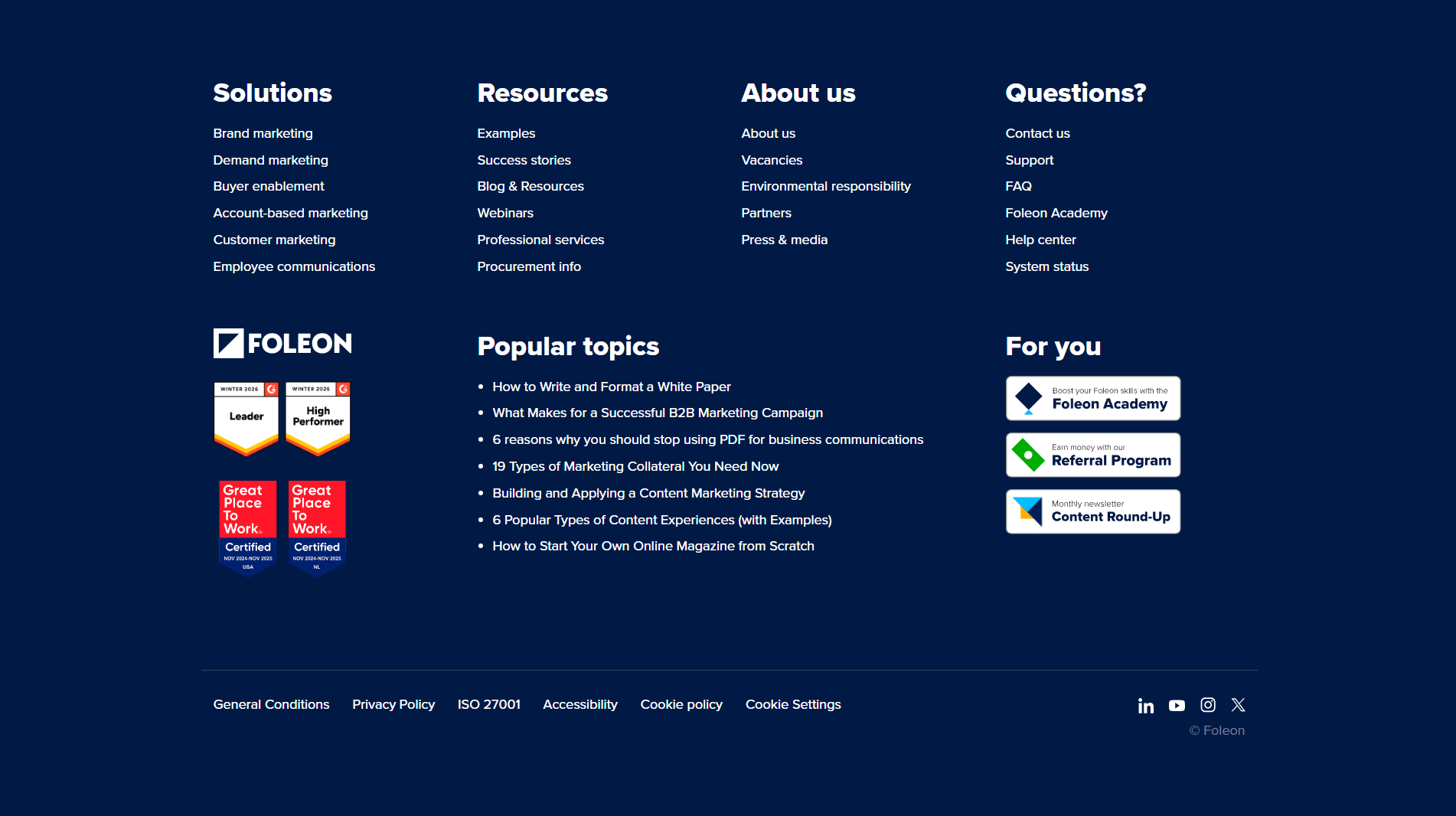 100/100
The lowest-scoring footers in our library aren't poorly designed. They're just empty.
A low-scoring footer typically has 2 best practices: categorized links and legal links. The minimum to look professional. But no secondary conversion, no trust reinforcement, no social proof.
The most common gap: no trust reinforcement. 71% of all footers skip it. The visitor scrolled the entire page, saw your product, your testimonials, your pricing. They reach the footer and there's nothing reinforcing why to trust you. The last screen is a dead end.
Second: no secondary conversion. 48% of footers have no newsletter signup, no social follow link, nothing. The visitor who isn't ready to buy has nowhere to go except close the tab.
The fix isn't redesigning the footer. It's adding 2 elements: a trust badge and an email field. A badge takes 10 minutes. A newsletter field takes an hour. The gap between a generic footer and one that converts is usually two additions, not a redesign.
Want to know which best practices your footer is missing? Try our landing page analysis →
 0/100
0/100
Curated by
Gabriel Amzallag , Founder, LPA
5 years CRO + SEO at Qonto (2021–2025). After advising 15+ SaaS on their websites (Payfit, Pigment…), the same patterns kept breaking — so I decided to build the source of truth on what works on the web: the intelligence layer every tool, builder, and team uses to ship sites that perform.
See how different industries design their footer sections.
Real examples from top SaaS landing pages, scored and analyzed.
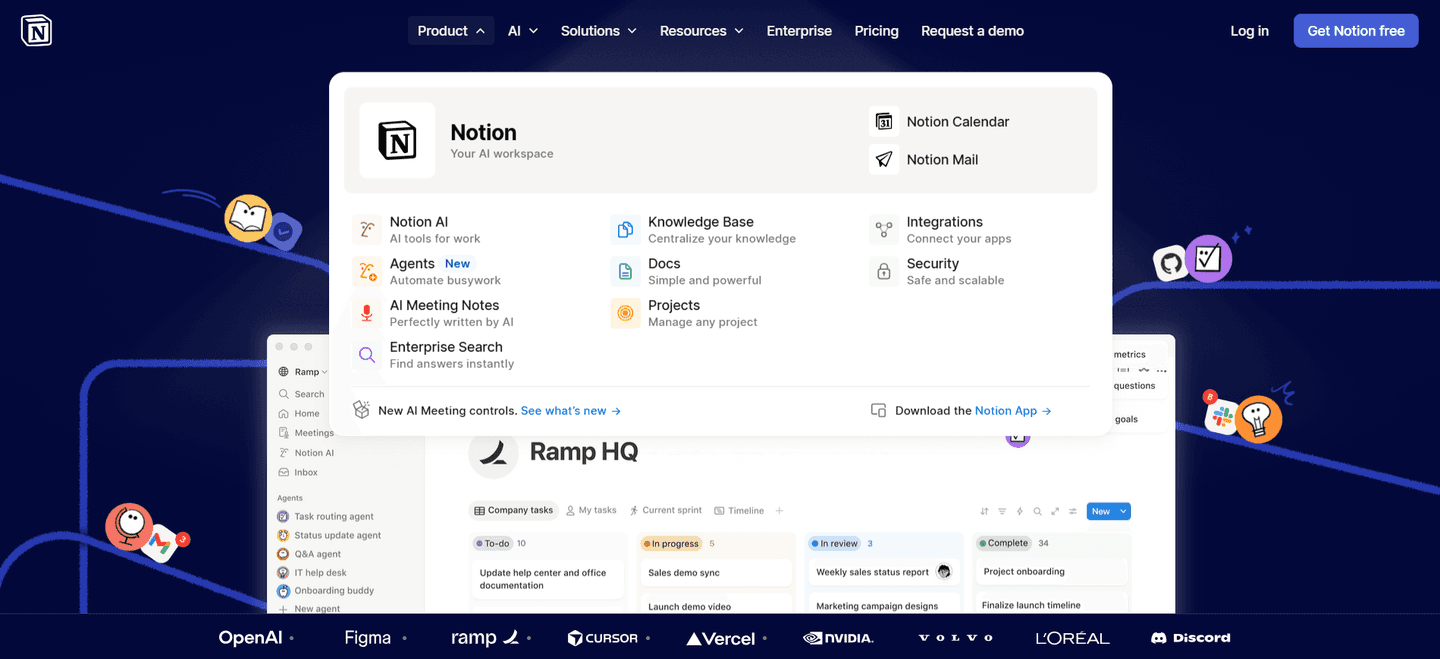
See how top SaaS pages structure their navigation to guide visitors. Scored examples with conversion analysis.
Browse navbar examples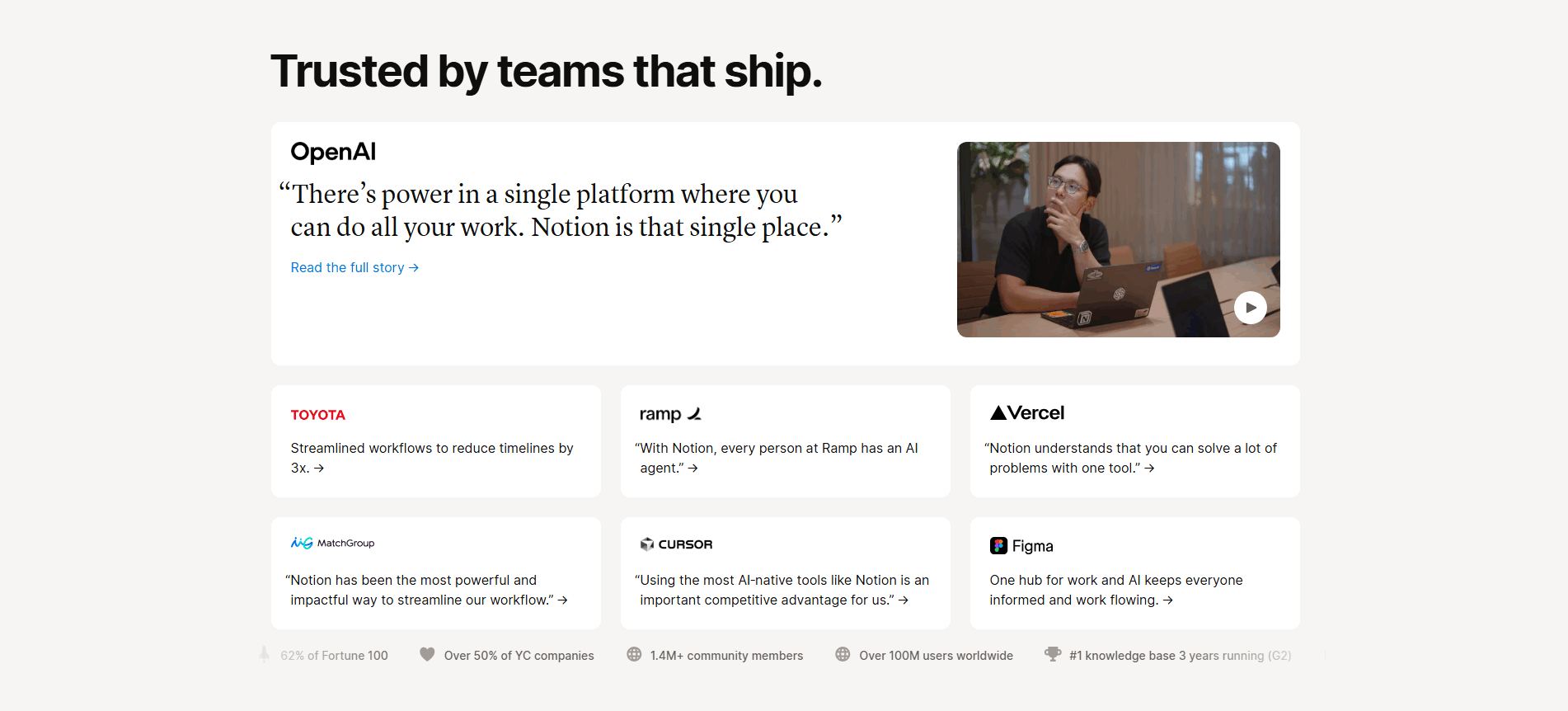
Logos, badges, certifications, stats. Browse the patterns that build credibility and reduce hesitation.
Browse trust sections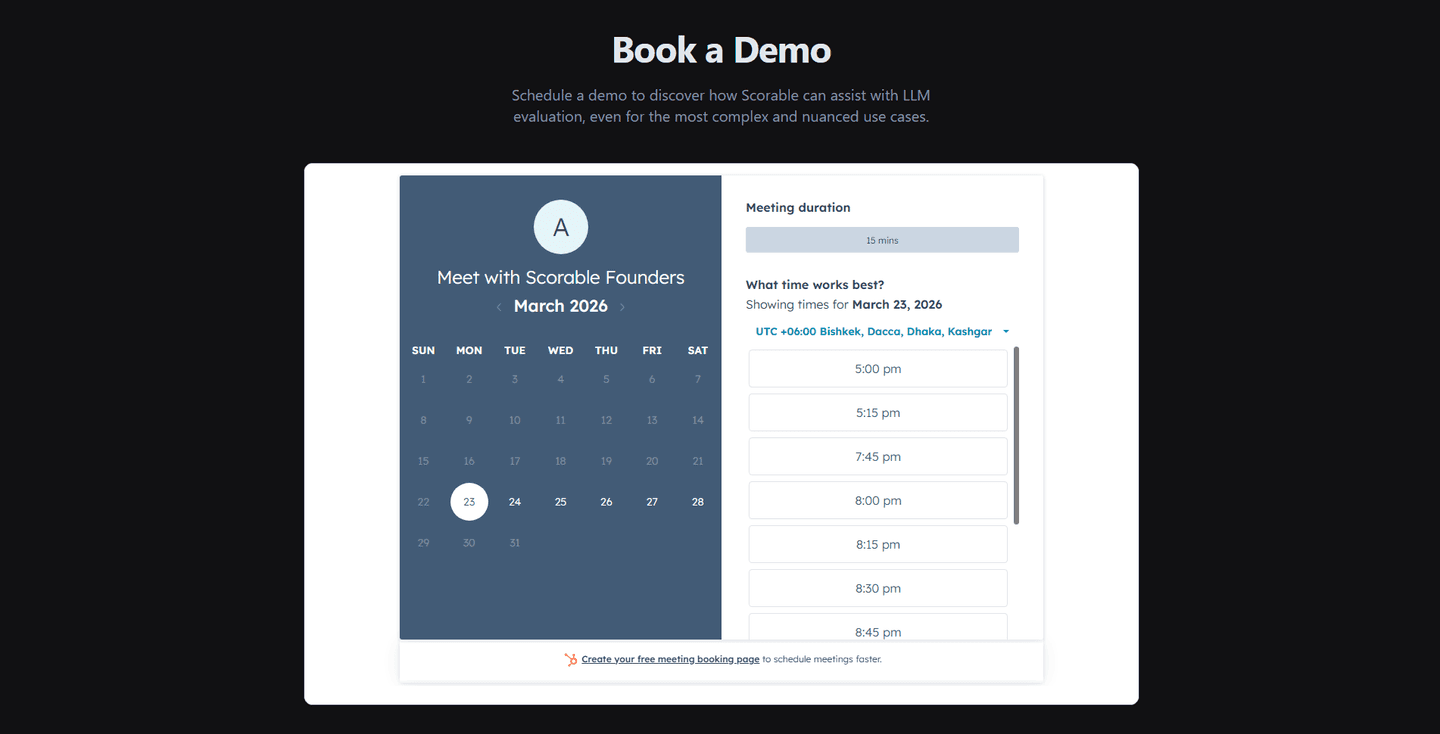
Short forms, reassuring microcopy, alternative channels. Real examples with scores and analysis.
Browse contact sectionsPaste your URL. Get a scored analysis of your footer with specific fixes. Free, no signup.
Everything you need to know about footer design, based on our analysis of real SaaS landing pages.
There's no fixed ideal height. Most good SaaS footers are between 200 and 400px tall. What matters is that all content is readable and link columns are well-spaced. A footer that's too short usually signals missing content (no legal links, no secondary conversion). A footer that's too tall signals an information architecture problem.
The navbar guides visitors at the start of their visit: it points them toward main pages (product, pricing, resources). The footer catches people who scrolled all the way down without converting. It holds secondary links (legal, careers, blog), residual trust signals, and often a secondary conversion like a newsletter signup. Both are navigation, but they serve different intents.
Yes. Visitors who scroll to the footer are either highly interested (they read the whole page) or lost (they're looking for specific info). Either way, no footer means a dead end. You need legal links for GDPR compliance, and it's the ideal spot for a secondary conversion. 87% of the 176 footers in our library have legal links. 52% have a secondary conversion.
Four columns covers most SaaS footers: Product, Company, Resources, Legal. Sort links by visitor intent, not internal org chart. "Pricing" and "Security" sit under Product, not Company, because that's where buyers look for them. Cap each column at 5-7 links; if a column grows longer, it probably needs splitting into two. Put Legal last (right-most or bottom row): it's required but nobody's scanning for it first. Keep labels short: "Careers" beats "Join Our Team."
A specific payoff, not "stay updated." "One tactical CRO teardown every Tuesday" converts. "Subscribe to our newsletter" doesn't. It sounds like spam bait because the visitor can't picture what lands in their inbox. Name the cadence (weekly, monthly), the format (teardown, checklist, data drop), and the topic. One field (email), one button, one line of copy underneath: "No spam, unsubscribe in one click." That's the whole recipe.
Run your page through our landing page analyzer. You'll get a scored breakdown of your footer across conversion best practices (categorized links, legal transparency, secondary conversion, trust reinforcement, social proof persistence) with specific fixes prioritized by impact.